






A Vow of Gratitude
The origins of Bonalu are rooted not in ancient scriptures, but in a powerful story of human survival from the 19th century. In 1813, a devastating plague swept through the twin cities, claiming thousands of lives. A military battalion from Hyderabad,
then stationed in Ujjain, prayed to the Goddess Mahakali. They made a solemn vow: if she would end the plague and save their families, they would install her idol back home and honour her. The plague subsided, and the soldiers, true to their word, built the Ujjaini Mahakali Temple, initiating a tradition of thanksgiving that has since become a cornerstone of the region's cultural identity. This history transforms Bonalu from a simple observance into a collective act of gratitude, a remembrance of crisis overcome through faith.
The Goddess Comes Home
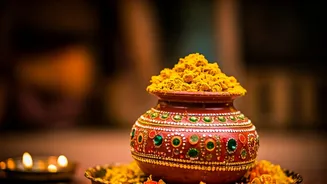
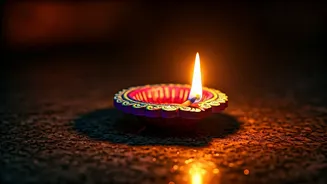
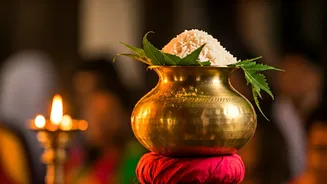
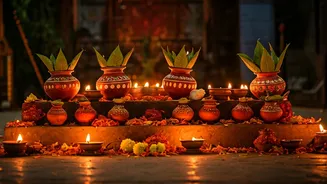
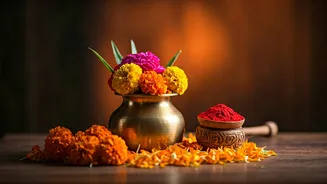
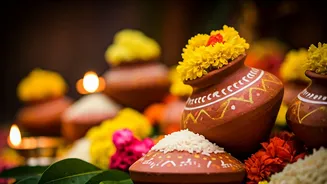
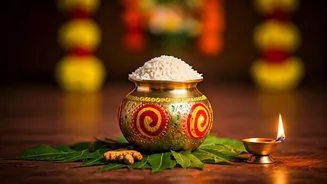
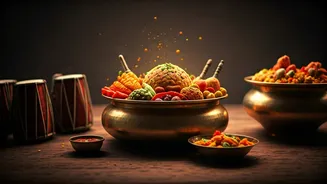
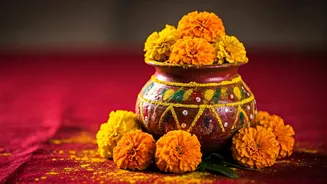
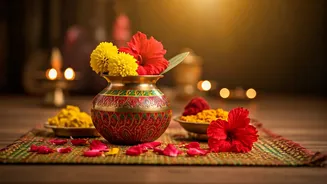
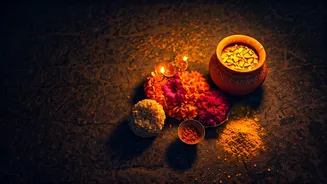
The festival's name itself offers a clue to its essence. 'Bonalu' is derived from the Telugu word 'Bhojanalu', meaning a meal or feast. At the heart of the festival is the 'Bonam', a special offering of rice cooked with milk and jaggery, prepared in new brass or earthen pots. These pots are decorated with neem leaves, turmeric, and vermilion, with a lamp lit on top. There is another belief that during the month of Ashada Masam, the goddess visits her maternal home. The offering is a symbolic act of a daughter bringing a lovingly prepared meal to her mother. Women, dressed in traditional sarees, carry these pots on their heads in processions to the temple, embodying this intimate, familial connection to the divine.
Rhythms of the Divine
Bonalu is a full-bodied sensory experience, filled with unique rituals and characters that bring the streets to life. A central figure is the Pothuraju, considered the brother of the Goddess Mahakali. Represented by a bare-bodied, muscular man adorned with turmeric and a red dhoti, he leads the processions, dancing fiercely and whipping a rope to ward off evil spirits. Another key ritual is the 'Rangam', or oracle, where a woman, believed to be possessed by the spirit of the goddess, foretells the future for the year ahead. The 'Ghatam', a copper pot decorated to represent the goddess, is carried by a priest throughout the festival and is ceremoniously immersed in water on the final day, marking the conclusion of the celebrations. Together, these elements create a dynamic spectacle of folk performance and deep faith.
A Festival of the People
Unlike many classical religious festivals, Bonalu is a folk tradition, driven by the community rather than rigid priestly codes. It is a celebration that bubbles up from the streets, fostering a powerful sense of unity and shared identity. This grassroots nature is a key reason for its enduring vibrancy. Recognizing its deep cultural importance, the government of Telangana declared Bonalu a state festival after the state's formation in 2014. This official recognition has helped amplify the festival, which begins at the Golconda Fort and moves through different parts of the city on successive Sundays, with major celebrations at the Ujjaini Mahakali Temple in Secunderabad and the Lal Darwaza temple in the old city of Hyderabad.
Women at the Forefront
Perhaps the most defining feature of Bonalu is the central role played by women. They are not merely participants; they are the primary conduits of the festival's most sacred ritual. By preparing and carrying the Bonam, they become the vessels of devotion and are seen by some as embodying the spirit of the goddess herself. As the processions move towards the temples, it is common for other devotees to wash the feet of the women carrying the Bonam as a sign of respect and to pacify the aggressive nature of the goddess's spirit they are believed to carry. This celebration of feminine divinity and the foregrounding of women in ritual leadership makes Bonalu a particularly powerful and distinctive cultural event.