




The Smart Shift to Hardy Plants
In cities across India, from the humid coasts of Mumbai to the dry heat of Delhi, balcony gardeners are making a practical and rewarding change. Instead of struggling with plants that demand constant care, many are now embracing species that are naturally
suited to their environment. This move is driven by a desire for gardens that are not only beautiful but also resilient and less demanding. The trend is towards creating green spaces that work with the local climate, not against it, saving water, time, and effort. This approach, sometimes called water-wise gardening or xeriscaping, is about designing a garden that is both functional and beautiful.
Why Go Native? The Many Benefits
Choosing native or locally-adapted plants comes with a host of advantages. Firstly, they are incredibly low-maintenance. Having evolved in the local climate, they are better equipped to handle the region's heat, humidity, and rainfall patterns, meaning they require less watering. This resilience also makes them more resistant to local pests and diseases, reducing the need for chemical pesticides. Furthermore, planting native species is a powerful way to support local biodiversity. These plants provide essential food and shelter for native birds, bees, and butterflies, helping to create a healthier, more balanced ecosystem right on your balcony.
Sun-Kissed and Thriving: Plants for a Sunny Balcony
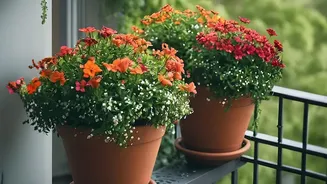
If your balcony gets plenty of direct sunlight, you have a wealth of hardy options. Bougainvillea is a classic choice, famous for its vibrant, paper-like bracts in shades of pink, red, and purple; it's a drought-tolerant plant that thrives in heat. Hibiscus, with its large, colourful blooms, is another sun-lover that is remarkably resilient. For bright, cheerful flowers, Marigolds and Zinnias are excellent, low-maintenance additions that perform well with lots of light. Similarly, Lantana is an incredibly tough shrub that produces clusters of small, colourful flowers and attracts butterflies, all while tolerating scorching heat.
Green in the Shade: Options for Less Sun
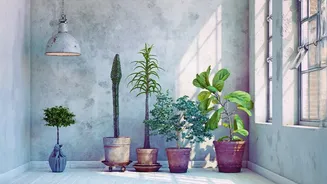
Not all balconies are drenched in sunlight, but that doesn't mean you can't have a lush garden. Many plants thrive in indirect light or partial shade. The Areca Palm is a popular choice for its feather-like leaves that give a tropical feel and is known for its air-purifying qualities. The ubiquitous Money Plant (Pothos) is another fantastic option; it's famously hard to kill, grows fast, and looks great in hanging pots. For something that requires very little attention, the Snake Plant is a champion, surviving low light and irregular watering. The Peace Lily is another great choice for shaded areas, offering glossy green leaves and elegant white flowers.
Simple Steps to Get Started
Starting your own locally-suited balcony garden is simple. First, observe your balcony's conditions: how much sun does it get and at what time of day? This will be the most important factor in your plant selection. Ensure you use pots with good drainage holes to prevent waterlogging, a common issue during monsoon season. For soil, a mix of standard potting soil, compost, and cocopeat often works well, as it retains some moisture while allowing excess water to drain. Finally, adopt a smart watering schedule. For drought-tolerant plants, it's better to water deeply but infrequently. Always check if the top inch or two of soil is dry before watering again.