





The Game-Changing Proposal
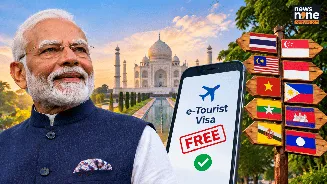
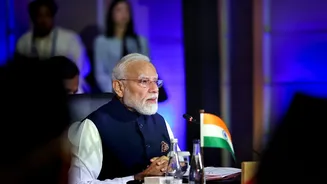
At the 23rd India-ASEAN Summit held in Manila, Philippines, on November 17, 2026, Indian Prime Minister Narendra Modi announced a significant proposal: offering free electronic tourist visas (e-visas) to citizens of all ASEAN member countries. This initiative
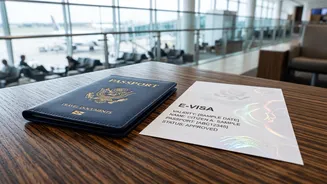
was one of nine new proposals aimed at deepening the Comprehensive Strategic Partnership between India and the regional bloc. The move is designed to slash the red tape and costs associated with visiting India, with the goal of encouraging more tourist arrivals and fostering stronger people-to-people connections. While it's being called a 'free e-visa', it is more accurately a waiver of the government processing fee, as travelers will still need to complete an online application.
Who Stands to Benefit?
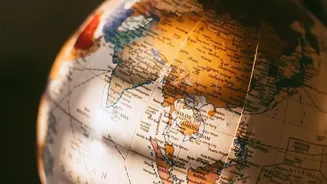
The proposal covers all member states of the Association of Southeast Asian Nations (ASEAN). This influential regional group includes Brunei, Cambodia, Indonesia, Laos, Malaysia, Myanmar, the Philippines, Singapore, Thailand, Vietnam, and its newest member, Timor-Leste. While some of these countries already enjoy certain visa fee waivers for short-term tourism, this new policy would harmonize and extend the benefit across the entire bloc. Citizens of Indonesia, Myanmar, Malaysia, the Philippines, and Thailand already qualify for a free 30-day tourist e-visa. The new proposal would extend this courtesy to the remaining six nations: Brunei, Cambodia, Laos, Singapore, Timor-Leste, and Vietnam, whose citizens currently pay fees ranging from $10 to $25 for a 30-day e-visa.
Simplifying the Journey
India's e-visa system is already a step towards simplification, allowing applicants to complete the entire process online without visiting a consulate. This new proposal takes it a step further by removing the cost barrier for all ASEAN tourists. This move is part of a broader trend of India easing its visa rules. Just days before the summit, on November 11, 2026, India's Ministry of Home Affairs announced a major overhaul of its visa system, including plans to drastically reduce the number of fields on application forms by up to 70%. The goal is to make the entire procedure more user-friendly and efficient, removing a significant hurdle for potential visitors.
More Than Just Tourism
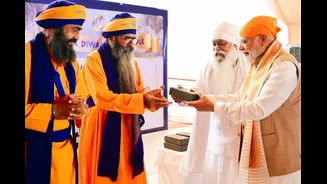
The proposal is a key component of India's 'Act East Policy', which aims to build stronger economic and strategic relationships with nations to its east. By making travel more accessible, India hopes to attract not just leisure tourists but also pilgrims, particularly from Buddhist-majority ASEAN nations, to sites like Bodh Gaya and Sarnath. In 2025, India welcomed over 800,000 visitors from ASEAN countries, and this initiative is expected to significantly increase that number. The timing is also strategic, with 2027 marking the 35th anniversary of India-ASEAN relations and the fifth anniversary of their Comprehensive Strategic Partnership.
What Happens Next?
While the announcement has generated considerable excitement, it is important to note that it is currently a proposal. The Indian government has not yet provided a specific timeline for implementation or detailed the exact eligibility conditions. Key questions remain, such as which visa validity periods will be covered by the fee waiver—for example, whether it will apply only to the 30-day visa or also to the one-year and five-year options. Until official confirmation and guidelines are released, the existing visa requirements and fees will continue to apply. Travelers planning trips to India should monitor official government channels for the latest updates on when this promising initiative will take effect.