






Why the Monsoon Magnifies Risks
The high humidity and intermittent rain are ideal conditions for pathogens like E. coli, Salmonella, and Norovirus to thrive. Waterlogging can cause sewage to overflow and contaminate municipal water supplies, while the damp air allows bacteria and mould
to grow quickly on food that isn't stored properly. This combination of factors leads to a sharp increase in illnesses like gastroenteritis, typhoid, cholera, and hepatitis A every year. Street food becomes particularly hazardous as it's often exposed to contaminated water, flies, and unhygienic preparation surfaces.
Know Your Enemy: Common Infections
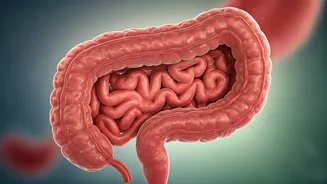
During the rains, several types of infections become more prevalent. It’s crucial to recognise them. * **Gastroenteritis:** Often called 'stomach flu', this can be caused by viruses or bacteria, leading to diarrhoea, vomiting, and stomach cramps. * **Typhoid:** A bacterial infection caused by Salmonella typhi, it spreads through contaminated food and water. Symptoms include a prolonged high fever, weakness, and abdominal pain. * **Cholera:** Known for causing severe watery diarrhoea and dehydration, cholera is also a result of consuming contaminated food or water. * **Hepatitis A:** A viral liver infection that spreads through the faecal-oral route. Symptoms include fever, fatigue, dark urine, and jaundice (yellowing of skin and eyes).
Your Kitchen Defence: Food Safety Rules
Following strict food hygiene is your best defence. The Food Safety and Standards Authority of India (FSSAI) recommends several key practices. Always wash produce thoroughly under clean, running water before use. It's best to soak leafy greens in salt water to dislodge germs. Cook food thoroughly, especially meat and seafood, and consume it while it's fresh and hot. Avoid raw foods like salads if you're not sure about the water used to wash them; steaming them is a safer alternative. Refrigerate any leftovers promptly in airtight containers and reheat them to a boiling temperature before eating.
The Golden Rule: Drink Safe Water
Contaminated water is a primary source of monsoon illnesses. Always drink boiled or properly filtered water. Boiling water for at least one minute is an effective way to kill most harmful microorganisms. Be wary of water from unknown sources, including tap water in many areas and ice served by street vendors, as freezing does not kill pathogens. When cooking, ensure you use only clean, purified water.
Rethink Street Food and Eating Out
As tempting as hot pakoras and chaat are on a rainy day, street food is a major risk during the monsoon. Stalls are often exposed to the elements, and there's a high chance of contaminated water being used in chutneys or to wash utensils. It’s safest to avoid items like cut fruits, pre-made juices, and anything with raw ingredients from street vendors. If you must eat out, choose reputable establishments that visibly follow high standards of hygiene.
Boost Your Immunity, Naturally
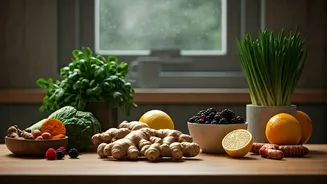
Ayurveda suggests that the monsoon season weakens digestion and immunity. To counter this, it's recommended to eat light, warm, and freshly cooked meals. Including immunity-boosting spices like ginger, turmeric, garlic, and black pepper in your diet can be beneficial. These spices have antimicrobial and anti-inflammatory properties. Warm soups and herbal teas are excellent choices, while it's best to avoid cold, raw, and heavy foods that can tax your digestive system.
When to See a Doctor
While mild discomfort can often be managed at home, certain symptoms warrant immediate medical attention. If you experience persistent vomiting or diarrhoea for more than a day, severe abdominal cramps, a high fever, or signs of dehydration (like dizziness, dry mouth, or reduced urination), it's crucial to consult a doctor. Blood in your stool or yellowing of the skin or eyes are also red flags that require professional medical evaluation.