







A New Home for the Pride
For decades, the entire world population of wild Asiatic lions was confined to Gir National Park. To protect the species from threats like disease outbreaks, conservationists have long sought a second, separate habitat. Barda Wildlife Sanctuary, located
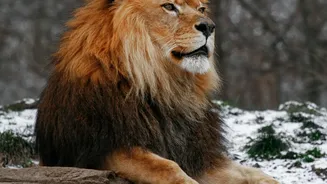
about 100 km from Gir, has been chosen for this critical role. Following the natural migration of a male lion, the Gujarat Forest Department has introduced several females to establish a new breeding population. Recent studies have confirmed that the lions are adapting well, with a small but growing population now calling Barda home. This makes a visit to Barda not just a tour, but a glimpse into a landmark conservation success story.
What Responsible Tourism Looks Like Here
Responsible tourism is about making a positive impact on the environment, society, and economy of a destination. In the context of a sensitive habitat like Barda, it means prioritizing the well-being of the wildlife and the local communities. Your visit should contribute to conservation efforts, not hinder them. This involves more than just following rules; it's a mindset of respect. The core principle is to observe without disturbing. As a guest in the animals' home, your goal is to be as unobtrusive as possible, ensuring that the wildlife can behave naturally without stress caused by human presence. This approach ensures the long-term sustainability of the sanctuary and a more authentic experience for you.
Essential Guidelines for Visitors
To ensure your visit is harmonious with the sanctuary's purpose, adhere to these key principles. First, maintain a respectful distance from all animals and never attempt to feed them. Use authorized local guides who are trained in ethical wildlife viewing. Silence is golden; keep noise levels to a minimum to avoid startling the animals. Stick to designated safari routes and timings, as these are designed to minimize disturbance. Leave no trace behind—carry out all your litter and avoid single-use plastics. Finally, turn off your camera's flash, as sudden bursts of light can distress and disorient wildlife.
Beyond the Lions: Barda's Rich Biodiversity
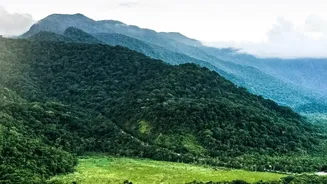
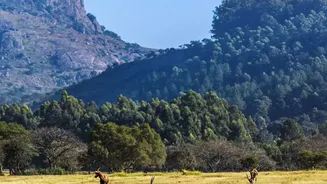
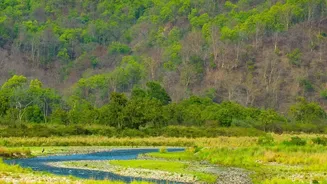
While the lions are the headline act, Barda is a treasure trove of biodiversity. The sanctuary's hilly terrain and forest tracts are home to other predators like leopards, hyenas, and wolves. The prey base includes animals such as blue-bull (nilgai), wild boar, and sambar. The park also boasts an impressive floral diversity, with around 650 plant species, including many with medicinal properties. For birdwatchers, Barda is a paradise, offering sightings of rare species like the crested hawk-eagle and spotted eagle. This rich ecosystem is what makes the sanctuary a suitable and sustainable home for lions and a fascinating destination for any nature lover.
Planning Your Visit to Barda
Barda Wildlife Sanctuary is located near Porbandar, which is the closest city with an airport and railway station. The sanctuary is about a 15-20 km drive from Porbandar. The best time to visit is during the cooler, drier months from November to February, when the weather is pleasant for safaris and wildlife sightings are more frequent. Summer months can be extremely hot, and the monsoon season may make some trails inaccessible. Accommodation is available in Porbandar, with options ranging from budget to mid-range hotels. You can book jeep safaris to explore the park, and it's highly recommended to hire a local guide to enhance your experience and support the community.