



Beyond the Bar: A New Era of Formulations
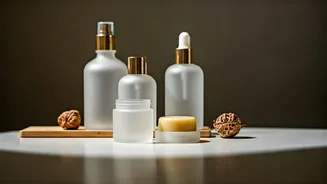
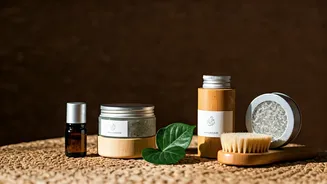
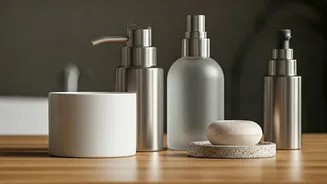
The image of sustainable beauty used to be a simple, solid shampoo bar. While those are still great, the field has exploded with innovation. We're now seeing a huge rise in 'waterless' or 'anhydrous' cosmetics. These products—from powder-to-foam cleansers
to concentrated serum balms—eliminate water, which often makes up 60-80% of traditional liquid products. This isn't just about saving water; it means the formulas are more potent, packed with active ingredients instead of fillers. Because bacteria struggle to grow without water, these products often require fewer preservatives, making them a good option for sensitive skin. This concentration also means a little goes a long way, extending the product's life and making it more economical over time.
The Refill Revolution Goes Mainstream
One of the biggest drivers of affordability and utility is the refill model. Once a niche concept, it's now being embraced by major global brands like L'Oréal, The Body Shop, and Unilever. Instead of buying a new container every time, you purchase a durable, often beautiful, 'keeper' vessel once and then buy cheaper refill pouches or pods. This model significantly cuts down on packaging waste—L'Oréal notes that refilling one of its cream jars can use 83% less packaging material. It also separates the cost of the product from the cost of the packaging, which often means long-term savings for the consumer. This trend extends across categories, from skincare and makeup to fragrance and hair care, making it easier than ever to stick with brands you love while reducing waste and cost.
Innovation in Usefulness and Performance
A major hurdle for early low-waste products was performance. Waterless formulas could sometimes be difficult to use, or solid bars might not lather well. However, as brands invest more in this space, the user experience has improved dramatically. Formulations are now more sophisticated, addressing earlier complaints of greasy textures or skin irritation. Brands are using advanced biotech and upcycled ingredients—like turning byproducts from the food industry into potent skincare actives—to create highly effective products. Multi-use products, like sticks for eyes, lips, and cheeks, are also on the rise, promoted by trends encouraging consumers to buy less and finish what they have. This focus on performance ensures that switching to a low-waste routine doesn't feel like a compromise.
Decoding the True Cost
While some sustainable products still carry a higher initial price, the overall cost is becoming much more competitive. The perception of high cost often comes from comparing a small, artisan brand with a mass-produced conventional one. As larger companies enter the market, economies of scale are helping to bring prices down. Furthermore, the cost-per-use of many low-waste products is often lower. A solid shampoo bar might cost more than a single bottle of liquid shampoo, but it often lasts as long as two or three bottles, resulting in savings. Similarly, concentrated waterless products require smaller application amounts, extending their lifespan and value. When you factor in the long-term savings from refills and longer-lasting products, the 'expensive' label starts to fall away.