


The Foundation of a Healthy Gut
Before diving into our star ingredients, it's worth noting why a daily salad habit is so beneficial in the first place. Salads are a fantastic source of dietary fibre, which is crucial for maintaining a healthy digestive system. Fibre helps to promote
regular bowel movements and acts as a food source for the friendly bacteria residing in your gut. A thriving gut microbiome is linked to numerous aspects of overall health, from a strong immune system to better mood. Moreover, many salad vegetables have high water content, which aids hydration and helps your system run smoothly. This combination of fibre and hydration creates an ideal environment for efficient digestion.
Cucumber: The Hydration Hero
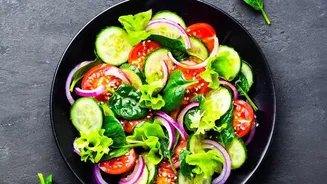
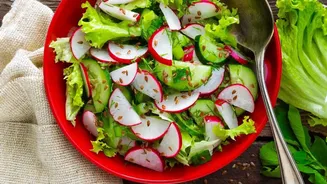
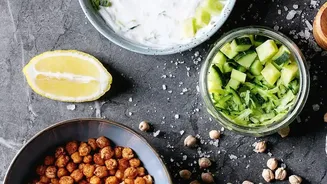
Often overlooked as just a simple, crunchy addition, cucumber is a digestive powerhouse primarily due to its incredible water content—typically over 95%. Proper hydration is essential for digestion as it helps the body break down food and absorb nutrients effectively. Staying hydrated can soften stool, preventing constipation and ensuring regularity. Beyond water, cucumbers, especially their skin, provide a good amount of fibre. This includes pectin, a type of soluble fibre that can increase the frequency of bowel movements and feeds the beneficial bacteria in your gut, further enhancing digestive health. Its cooling and refreshing nature makes it a gentle, easy-to-digest ingredient for almost everyone.
Beetroot: The Gut Guardian
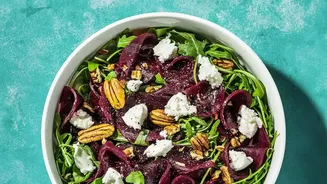
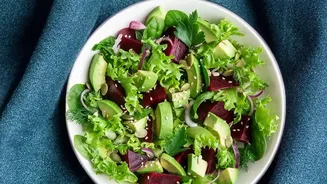
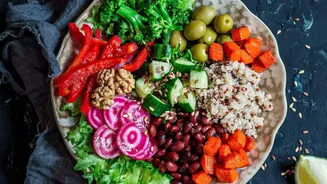
This vibrant root vegetable does more than just add a splash of colour to your plate. Beetroot is packed with dietary fibre, which is essential for keeping your digestive system in top shape. This fibre serves as a prebiotic, feeding the beneficial bacteria like Bifidobacteria and Lactobacilli in your colon. When these good bacteria thrive, they produce compounds called short-chain fatty acids (SCFAs), which nourish the cells lining your colon and help maintain a healthy gut barrier. Beetroot also contains an amino acid called glutamine, which supports the integrity of the intestinal lining. By fostering a healthy gut microbiome and supporting the gut wall, beetroot plays a vital role in long-term digestive wellness.
Sprouts: The Enzyme Powerhouse
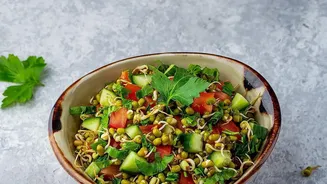
Sprouts are essentially young plants at their peak of vitality, and they are teeming with life-giving nutrients. One of their most significant benefits for digestion is their high concentration of living enzymes. The sprouting process dramatically increases the presence of enzymes that help break down carbohydrates, proteins, and fats. These enzymes essentially pre-digest the food, making it easier for your body to absorb the maximum amount of nutrients while reducing the digestive load. This can lead to less bloating and gas. In addition to enzymes, sprouts are an excellent source of fibre and a wide array of vitamins and minerals, making them a nutrient-dense addition to any salad that actively supports your digestive processes.
Building Your Ultimate Digestive Salad
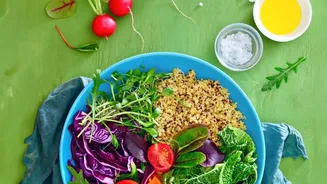
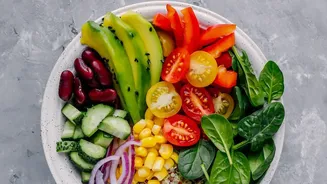
While cucumber, beetroot, and sprouts form a powerful trio for digestive health, you can enhance the benefits even further. Start with a base of dark leafy greens like spinach or kale, which are also rich in fibre and nutrients. To make your salad a complete and satisfying meal, consider adding a source of lean protein like grilled chicken, chickpeas, or lentils. Incorporating healthy fats from avocado, nuts, or seeds can help with the absorption of fat-soluble vitamins and add to the feeling of fullness. A simple, homemade dressing of olive oil and lemon juice is a healthier choice than many store-bought options that can be high in sugar and unhealthy fats. By combining these elements, you create a balanced, delicious bowl that works hard for your digestive health.