

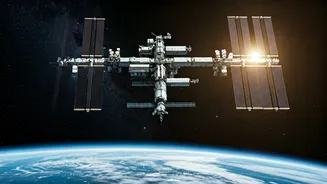


A High-Speed Journey Around Earth
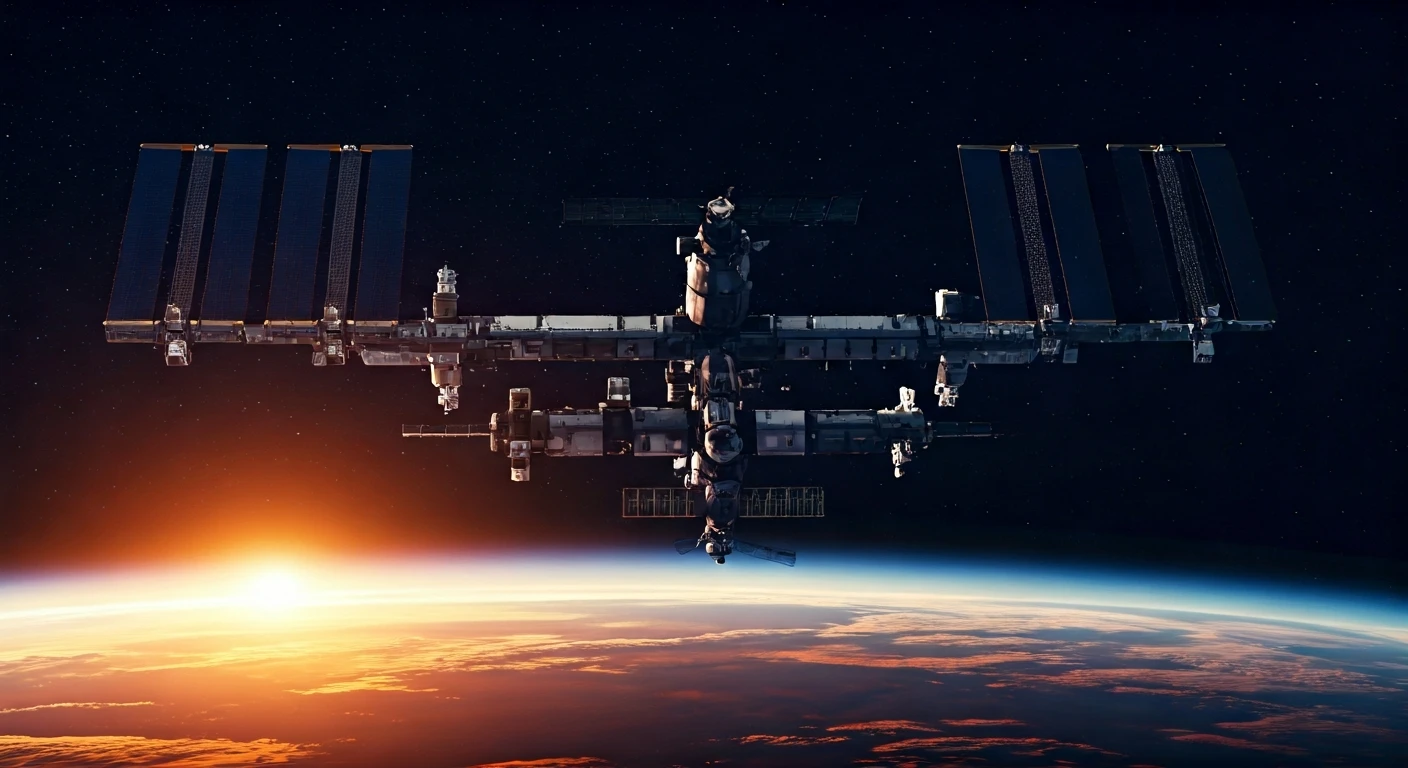
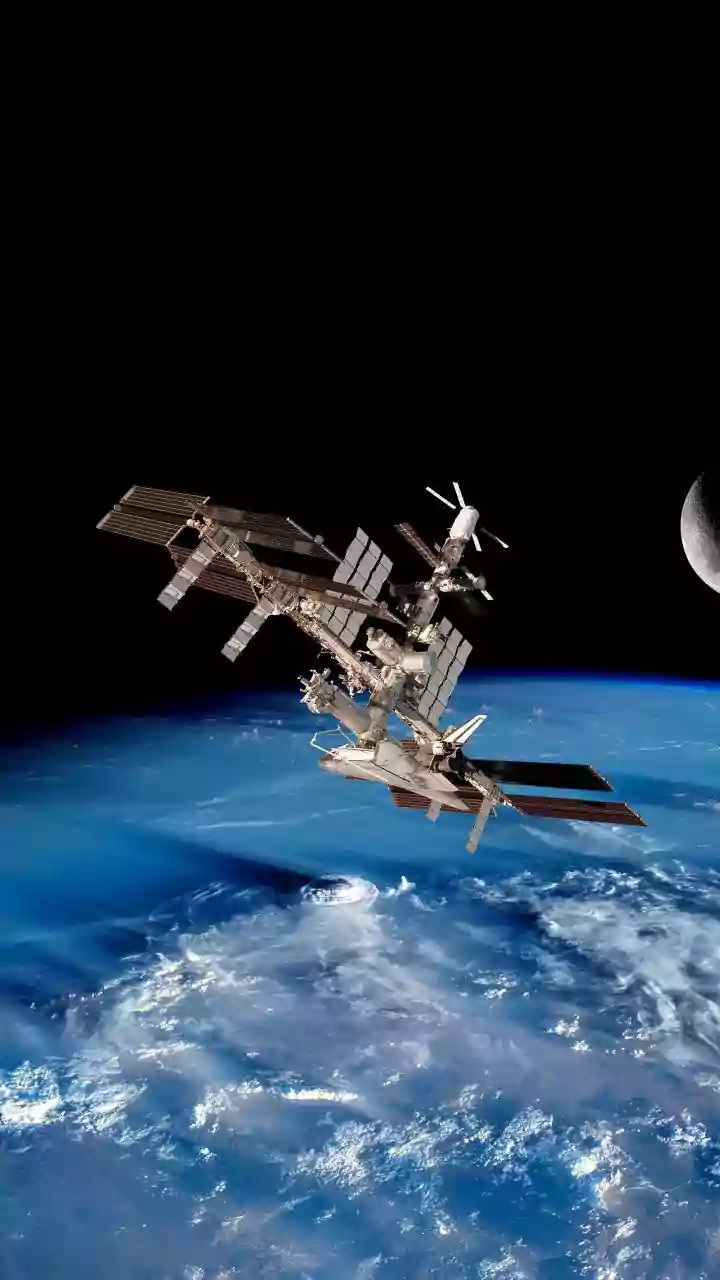
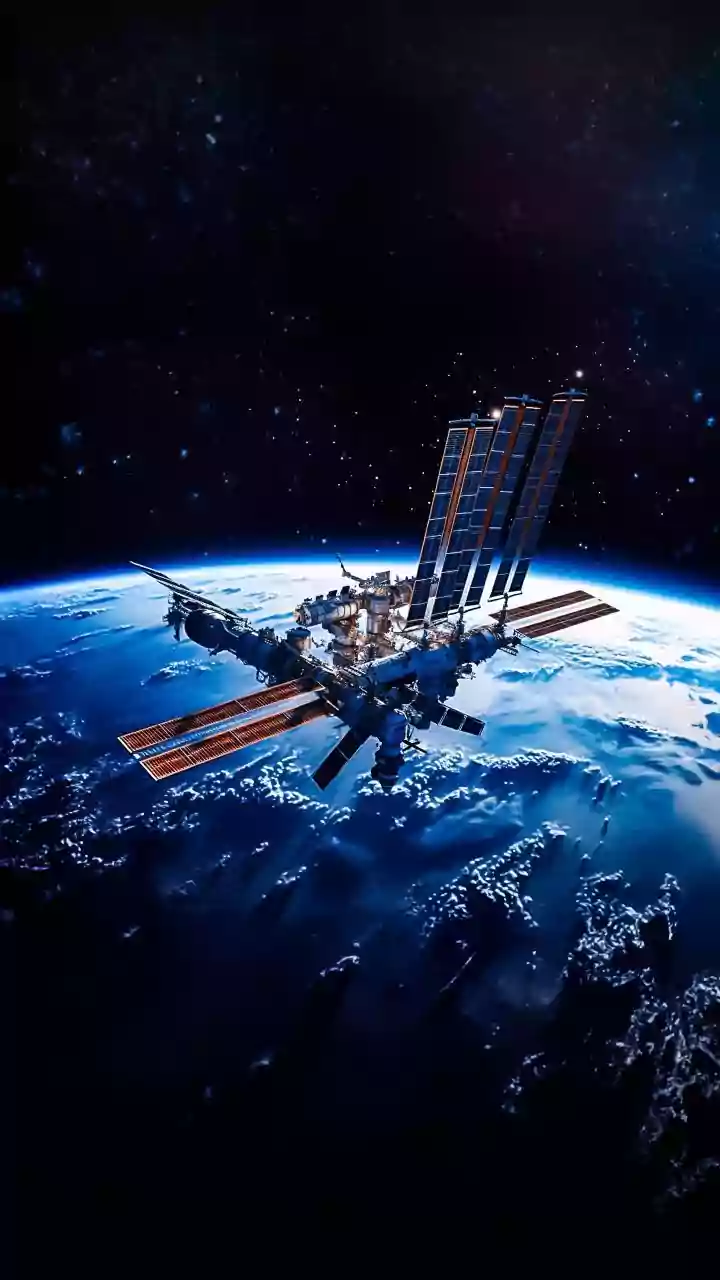
The reason for this surreal phenomenon is simple: speed. The International Space Station (ISS) hurtles through space at approximately 28,000 kilometres per hour. At that velocity, it completes a full orbit around our planet in about 90 to 93 minutes.
Instead of waiting for the Earth to rotate, the station is essentially lapping the planet, repeatedly flying from the night side into daylight and back into darkness again. This incredible speed is necessary to maintain its orbit, balancing the pull of Earth's gravity with its forward momentum.
The Math of a 90-Minute Day
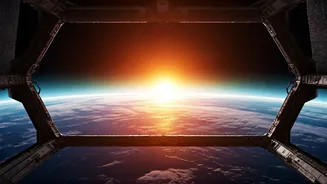
When you do the maths, the '16 sunrises' figure becomes clear. A 24-hour day contains 1,440 minutes. If you divide that by the ISS's 90-minute orbital period, you get exactly 16 orbits. This means the crew experiences a sunrise and a subsequent sunset roughly every 45 minutes. Astronauts describe the sunrise as incredibly fast, with the sun appearing to leap over the horizon in less than a minute, painting a thin, brilliant band of colour across Earth's edge.
Living on Universal Time
With a day-night cycle that's just 90 minutes long, sunlight is useless for keeping time. To prevent chronological chaos and coordinate with ground crews in Houston and Moscow, the ISS operates on Coordinated Universal Time (UTC), which is equivalent to Greenwich Mean Time (GMT). This provides a neutral, consistent schedule for the international crew. A typical day involves waking up around 06:00 UTC, working on scientific experiments, performing maintenance, exercising, and ending the workday before a scheduled sleep period around 21:30 UTC.
Tricking the Body's Clock
Living with 16 sunrises poses a significant challenge to the human body's natural circadian rhythm, which is hard-wired for a 24-hour cycle. Constant exposure to a rapid day-night loop can disrupt sleep and lead to fatigue. To counteract this, astronauts live in a highly controlled environment. They sleep in small personal compartments, often using eye masks and earplugs to block out light and the station's constant background noise. NASA has also installed advanced LED lighting systems that change colour temperature throughout the day—bluer light in the 'morning' to promote alertness and warmer, redder light in the 'evening' to help prepare their bodies for sleep, effectively simulating an Earth-like light cycle.
The View From the Cupola
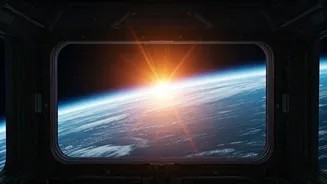
While managing the disorienting time shifts is a necessity, the view is an unparalleled reward. The station's seven-windowed Cupola module offers a panoramic vista of Earth, allowing astronauts to see the planet sweep by below. Many spend their free time watching continents and oceans pass, witnessing lightning storms from above, and photographing the vibrant, borderless planet. This experience is often described as the 'overview effect', a profound cognitive shift reported by many astronauts who see Earth from orbit. It's a powerful reminder of the planet's beauty and fragility, and one of the most cherished parts of life in space. Despite the challenges, seeing 16 sunrises a day is a perk of the job few would ever trade.