







Embrace Immunity-Boosting Spices
Your kitchen spice box is your first line of defense during the rainy season. Spices like turmeric, ginger, garlic, and black pepper are celebrated for their powerful medicinal properties. Turmeric contains curcumin, a compound with strong anti-inflammatory
and antioxidant effects. Ginger is known to aid digestion and fight respiratory infections, while garlic possesses potent antibacterial and antiviral qualities. A pinch of black pepper not only adds flavour but also helps increase the absorption of curcumin from turmeric. Incorporating these spices into your daily dals, soups, and teas can help build a stronger immune response to common monsoon ailments like the cold and flu.
Opt for Warm, Cooked Foods
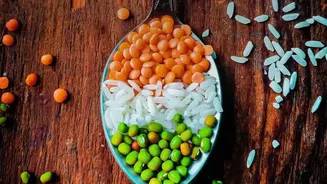
According to both modern nutrition and Ayurvedic wisdom, the monsoon is a time when our digestive fire, or 'Agni', is weaker. Heavy and raw foods can be harder to digest, leading to issues like bloating and indigestion. This is the perfect season for warm, comforting, and lightly-cooked meals. Think of nourishing dishes like moong dal khichdi, warm vegetable soups, and steamed vegetables. Gourds like lauki (bottle gourd), tori (ridge gourd), and pumpkin are excellent choices as they are easy to digest and full of nutrients. Switching from raw salads to steamed or boiled preparations reduces the risk of contamination from microbes that thrive in the damp weather.
Add Probiotics for Gut Health
A healthy gut is the foundation of a strong immune system. The monsoon season can sometimes disrupt our digestive balance, making probiotics essential. Probiotic-rich foods like homemade dahi (yogurt) and buttermilk are excellent for maintaining a healthy gut microbiome. They introduce beneficial bacteria that help with digestion and protect against harmful pathogens. Including a bowl of plain yogurt with your lunch or a glass of buttermilk can soothe the digestive system and keep infections at bay. For those who enjoy them, other fermented foods can also contribute to gut health during this season.
Choose Seasonal Fruits Wisely
Fruits are a great source of vitamins and antioxidants, but it's important to choose the right ones during the monsoon. Opt for seasonal fruits like jamun, plums, peaches, cherries, pears, and pomegranates. Many of these are rich in Vitamin C, a crucial nutrient for strengthening the immune system. Amla, or Indian gooseberry, is another powerhouse of Vitamin C and is highly recommended. It's crucial to be extra diligent with hygiene. Always wash fruits thoroughly under running water before consuming them. It is also advisable to avoid pre-cut fruits sold by street vendors, as they are more susceptible to contamination in the humid weather.
Sip on Herbal Teas and Broths
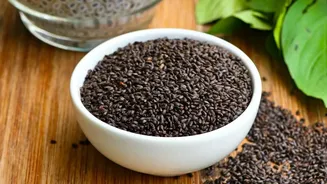
Nothing says monsoon comfort quite like a warm beverage. Instead of reaching for excessively sugary drinks, consider herbal teas. Teas infused with tulsi (holy basil), ginger, cinnamon, and lemon are not only hydrating but also packed with health benefits. These concoctions can help soothe a sore throat, relieve congestion, and provide an overall immunity boost. Similarly, warm vegetable or chicken broths are light, nutritious, and easy to digest, making them a perfect light meal or snack for a rainy evening.
A Note on What to Limit
While adding healthy foods is important, it's also wise to limit certain items. Deep-fried foods like samosas and pakoras, though tempting, are heavy on the digestive system and can cause sluggishness. It’s also recommended to be cautious with street food, especially items like chaat and fresh juices, due to a higher risk of water-borne contamination. Seafood should also be limited as the monsoon is the breeding season for fish, which can increase the risk of infection. Raw leafy green vegetables can be difficult to clean thoroughly and may harbor germs, so it's best to cook them well if you consume them.