



An Offering of Devotion
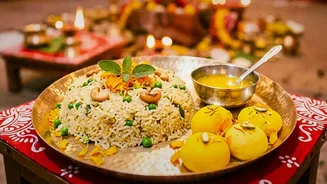
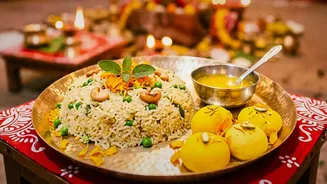
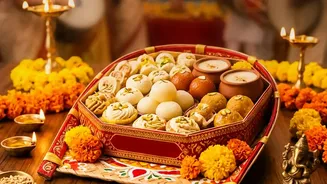
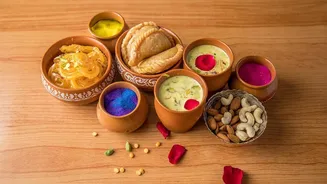
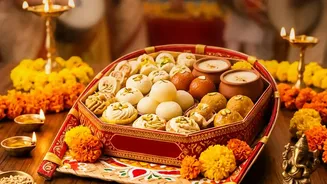
At the heart of Durga Puja is the act of offering food to the goddess, known as 'bhog'. This sacred offering, which is later distributed as 'prasad', is a gesture of profound gratitude and devotion. Sweets are a mandatory part of this divine platter.
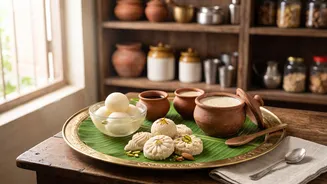
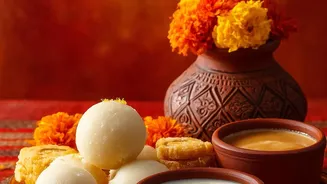
It is believed that presenting the deity with delicious sweets is a way to please her and seek her blessings. Traditional sweets made from 'chhena' (fresh cottage cheese), milk, and jaggery, such as Rosogolla and Payesh (a type of kheer), are considered pure or 'sattvik', making them ideal offerings. These 'niramish' (vegetarian, without onion or garlic) preparations symbolise purity, prosperity, and the sweetness of the devotees' faith.
The Sweet Taste of Togetherness
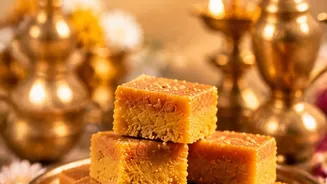
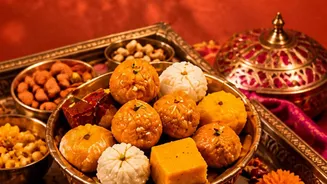
In Bengali culture, sweets are a universal symbol of joy, hospitality, and fellowship. During Durga Puja, this symbolism is amplified. Sharing sweets, a practice known as 'mishtimukh' (literally 'sweetening the mouth'), is a fundamental part of the celebration. When friends and families visit each other's homes or community 'pandals', offering a plate of assorted mithai is a gesture of warm welcome. This act of sharing fosters a powerful sense of community and togetherness, breaking down barriers and connecting people in shared happiness. A box of sandesh or a pot of mishti doi becomes a traditional gift, an edible expression of good wishes and festive spirit.
A Parade of Iconic Mithai
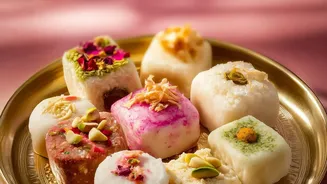
The variety of sweets that appear during Puja is staggering. Each has its own place in the celebration. Rosogolla, the iconic spongy cheese balls in syrup, are often the first choice for offerings. Sandesh, a delicate sweet made from fresh chhena, appears in countless beautiful shapes and flavours, from the seasonal 'Nolen Gur' (date palm jaggery) sandesh to classic saffron-infused ones. Then there are homemade treasures like 'Narkel Naru', sweet coconut balls that evoke nostalgia, and 'Moya', delightful puffed rice balls made with jaggery. These are not just treats; they are carriers of tradition passed down through generations.
Sweetening the Bittersweet Farewell
The festival culminates with Bijoya Dashami, the day the idols are immersed, marking Goddess Durga's return to her heavenly abode. It's a day of mixed emotions — joy for the victory of good over evil, and sadness at the departure of the beloved deity. This is when the 'Bijoya' greetings begin, a period of visiting relatives and friends that can last until Diwali. A crucial part of this custom is offering sweets to every guest. One cannot leave a house without having their 'mishtimukh'. This tradition transforms the bittersweet farewell into a celebration of relationships and goodwill, ensuring the sweetness of the festival lingers long after the drums have faded.