




The Great Indian Travel Rush
After every major festival or long weekend, India witnesses a monumental migration. Millions of people who travelled to their hometowns or holiday destinations all try to return at once. This predictable, yet massive, surge in demand places an extraordinary
strain on the nation’s transport infrastructure. Whether it's Diwali, Holi, Christmas, or a long summer weekend, the pattern is the same: trains are booked solid, flight tickets skyrocket, and highways become parking lots. For example, during events like the Rath Yatra in Puri, the influx of pilgrims and tourists leads to severe train delays, with services running late by anywhere from three to eleven hours, completely upending travel plans. This seasonal pressure cooker tests the limits of a system that already operates close to capacity on a normal day.
Pressure Cooker on the Rails
Indian Railways is the backbone of long-distance travel, and it bears the brunt of the holiday rush. To cope, the railways operate hundreds of special trains during peak seasons. For the Christmas and New Year period alone, hundreds of special trips are often notified across various zones to manage the surge. In 2025, over 43,000 special train trips were run throughout the year to manage festive demand for events like Holi and Chhath Puja. Despite these efforts, the system is easily overwhelmed. Heavy traffic on key routes means that even these special services can face significant delays. A single technical snag, adverse weather, or an accident on a busy corridor can have a cascading effect, delaying dozens of other trains and leaving thousands of passengers stranded for hours.
Gridlock in the Skies
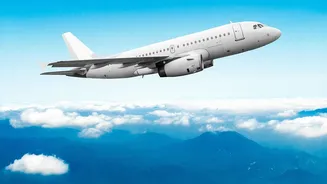
Air travel offers a faster alternative, but it comes with its own set of vulnerabilities. Major airports in Delhi, Mumbai, and Bengaluru operate at or near full capacity, meaning there is little buffer to handle disruptions. Weather is a major factor, with winter fog in northern India regularly causing hundreds of flight delays and cancellations. Rising summer temperatures also impact flight operations, requiring longer takeoffs and sometimes leading to payload restrictions. An operational issue within a single airline can create a domino effect. A delay in one flight can impact the schedule of five or six subsequent flights using the same aircraft, leading to widespread chaos. For passengers, this means missed connections, unexpected hotel stays, and the stress of rebooking tickets at inflated last-minute prices.
Highways at a Standstill
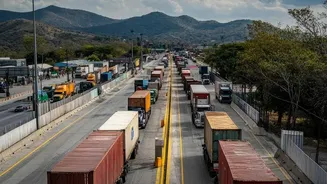
For those who take to the roads, the situation is often no better. National highways leading into major metropolitan areas like Chennai, Delhi, and Bengaluru frequently experience severe congestion as people return from long weekends. Key entry points and toll plazas become major bottlenecks, with traffic backing up for kilometres. Ongoing road construction or metro work can exacerbate the problem, turning a journey of minutes into hours. The sheer volume of cars, buses, and trucks all converging at the same time creates gridlock that even deploying additional traffic police struggles to manage. This is especially true for popular hill stations, where narrow mountain roads are unable to cope with the surge in tourist vehicles, leading to travellers being stuck for hours.
The Human and Economic Cost
These transport disruptions are more than just an inconvenience; they carry significant human and economic costs. For individuals and families, it means extended travel times, stress, and the financial burden of unexpected expenses. Missing the first day of work or school after a holiday has become a common reality for many. For the economy, the impact is multifaceted. Lost productivity from employees stuck in transit, increased fuel consumption from idling vehicles, and a negative impact on the tourism experience all add up. As one hospitality expert noted, if a tourist pays for a luxury experience but spends hours in a traffic jam, the value of that destination is diminished. The system's fragility shows that even a small, unforeseen event can bring a significant portion of the country's economic activity to a grinding halt.