


A Tale of Two Moons
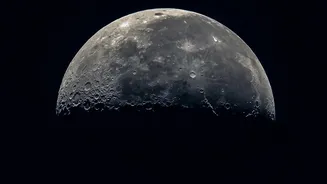
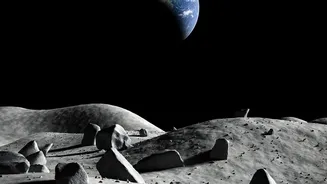
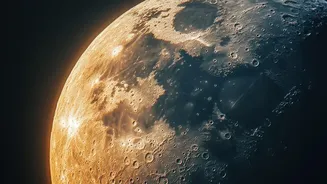
Anyone who looks up at the night sky is familiar with the 'man in the Moon'—vast, dark plains of ancient volcanic rock called 'maria'. These dominate the nearside, the face eternally locked to Earth. But space missions revealed a completely different
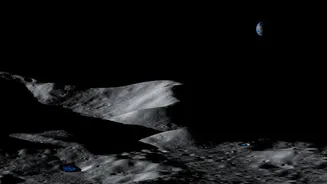
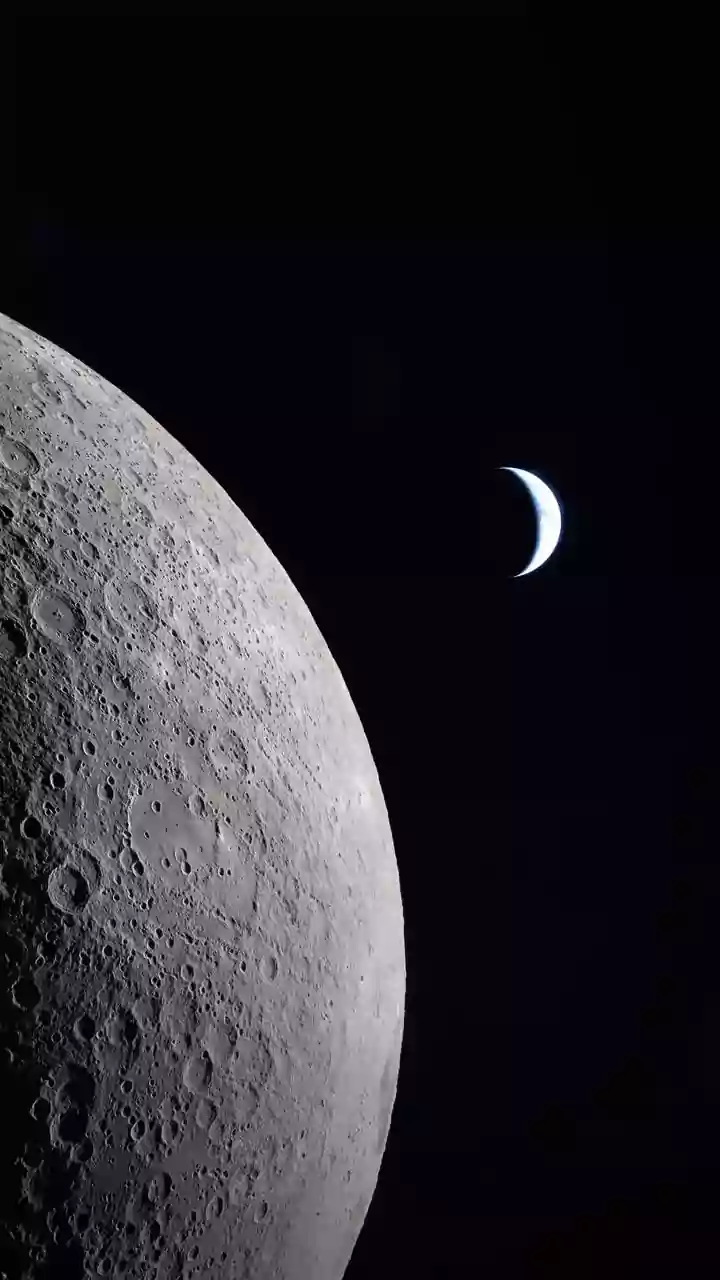
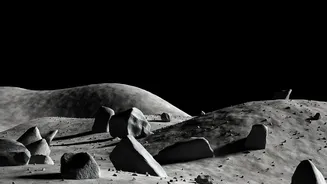
world on the other side. The lunar farside is almost entirely covered in bright, heavily cratered highlands. For decades, scientists have wondered why this stark difference, known as the lunar dichotomy, exists. The prevailing theory was that the farside's crust is significantly thicker, making it much harder for magma from the mantle to break through and flow onto the surface. The question remained: why was it so thick in the first place? Direct evidence was needed, and that meant going to the farside and bringing a piece of it home.
A Landmark Mission for Science
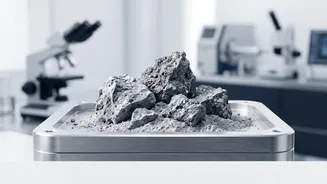
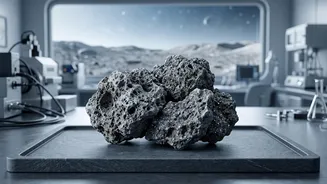
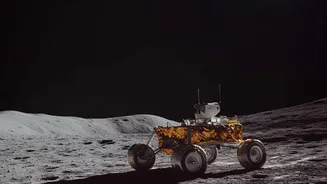
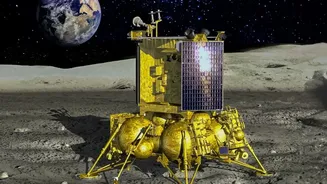
Humanity's first-ever samples from the Moon's hidden hemisphere were retrieved by China's Chang'e-6 mission in 2024. The probe landed in the South Pole-Aitken (SPA) basin, the largest and oldest impact crater not just on the Moon, but in the entire Solar System. This massive impact, which occurred around four billion years ago, was so violent that it is believed to have punched through the Moon's crust and dredged up material from the deep, underlying mantle. By collecting these rocks, scientists gained access to a geological time capsule, offering a direct window into the Moon's primordial interior that samples from the nearside could never provide. The analysis of these precious few grams of rock is now revolutionising our understanding of the Moon's fiery birth.
The Global Magma Ocean
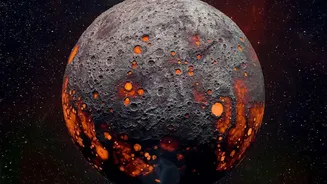
The leading theory of the Moon's formation suggests it was born from debris after a Mars-sized object collided with early Earth. This cataclysmic event left the young Moon so hot that it was covered in a global ocean of molten rock. As this magma ocean slowly cooled over millions of years, denser minerals sank to form the mantle, while lighter minerals floated to the top, creating the initial crust. Initial analysis of the Chang'e-6 samples has found that the basalt composition is remarkably similar to rocks on the nearside. This provides strong new evidence that the magma ocean was indeed a global phenomenon, spanning the entire Moon. However, the samples also reveal a key difference in the mantle's properties between the two sides.
How Earth Shaped the Moon
Recent findings from the farside samples support a fascinating model for why the two hemispheres evolved so differently. After the Moon became tidally locked, its nearside constantly faced a still-glowing, hot young Earth, while the farside faced the cold of deep space. This temperature difference created massive convection currents within the lunar magma ocean. Hotter, less-dense material and residual molten rock were driven towards the nearside, keeping its crust thin and promoting volcanic activity. Simultaneously, cooler, solidifying crustal material, specifically lighter-weight anorthosite, was pushed toward the farside. This process effectively piled up crust on the farside, creating the thick, mountainous highlands we see today and suppressing the widespread volcanic flows that painted the nearside.