





The Power of 'Exercise Snacking'
The concept is simple: instead of one long workout, you integrate short bursts of activity throughout your day. Known as 'exercise snacking', this approach makes fitness more accessible and sustainable. Research shows that even brief, five-minute workouts
can provide significant health benefits, including better blood sugar regulation, lower blood pressure, and a healthier heart. These mini-sessions break up long periods of sitting, which is crucial for overall well-being. Furthermore, short bursts of movement trigger the release of endorphins, leading to an improved mood and sharper mental clarity. The key is consistency; these small efforts, performed regularly, add up to major long-term benefits.
The Full-Body Energiser
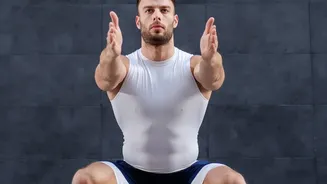
This routine is perfect for kickstarting your morning or beating the midday slump. It requires no equipment and targets major muscle groups to get your blood flowing. Perform each of the following for one minute: 1. Jumping Jacks: A classic cardio move to elevate your heart rate. 2. Bodyweight Squats: Focus on keeping your chest up and sitting back as if into a chair. This builds lower body strength. 3. Push-ups (on knees or toes): A fantastic upper body and core strengthener. You can also do them against a wall or sturdy desk. 4. High Knees: Run in place, bringing your knees up towards your chest to keep the intensity up. 5. Plank: Hold a straight line from your head to your heels, engaging your core to build stability.
The Desk-Bound De-Stressor
If you spend hours at a desk, tension in your neck, shoulders, and back is almost inevitable. This gentle stretching routine can be done right from your chair to release stiffness and improve posture. 1. Neck Tilts: Gently tilt your head, bringing your right ear toward your right shoulder. Hold for 30 seconds, then repeat on the left side. 2. Shoulder Rolls: Inhale and lift your shoulders up toward your ears. Exhale and roll them back and down. Repeat 10 times. 3. Torso Twists: Sit tall and gently twist your upper body to the right, using the chair for support. Hold for 30 seconds, then repeat on the left side. 4. Forearm Stretch: Extend one arm out, palm up. Use your other hand to gently pull the fingers back toward your body. Hold for 30 seconds and switch sides. 5. Seated Cat-Cow: Place hands on knees. Inhale as you arch your back and look up. Exhale as you round your spine and tuck your chin to your chest. Repeat for one minute.
The Core-Strengthening Circuit
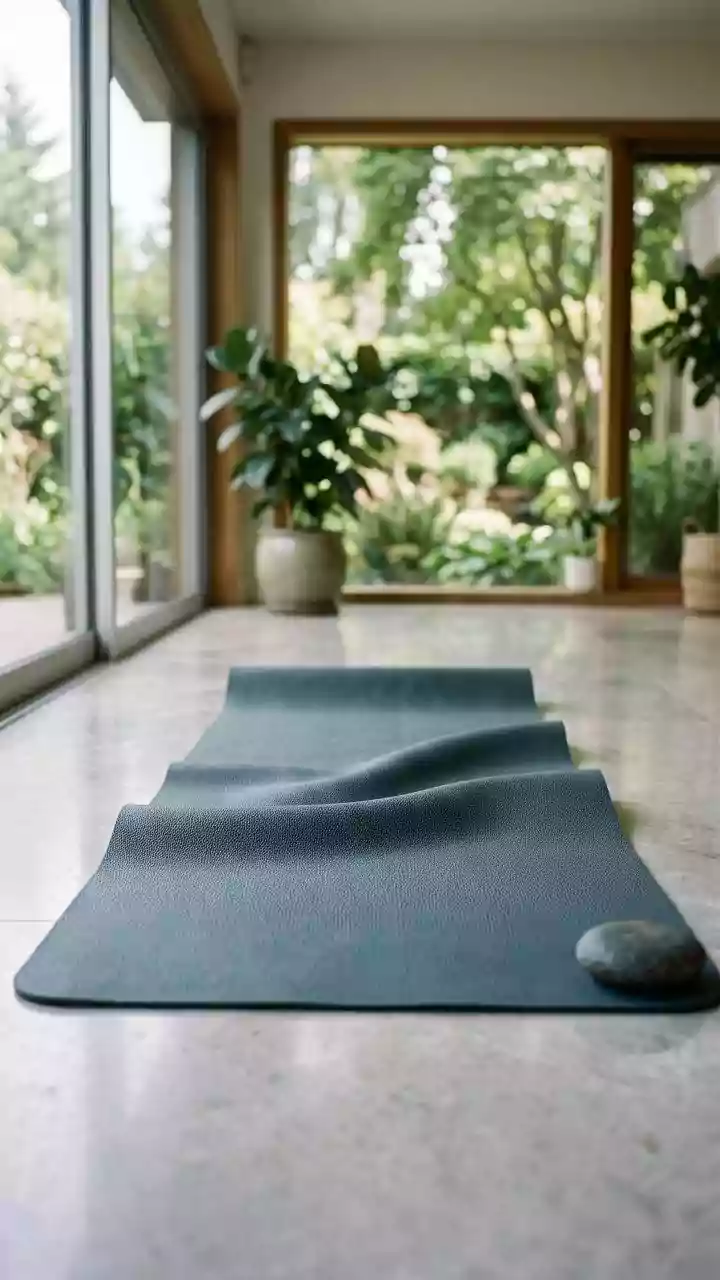
A strong core is the foundation for good posture and a healthy back. This quick circuit can be done on the floor with just a mat. 1. Crunches (1 minute): Lie on your back with knees bent. Lift your head and shoulders off the floor, keeping your lower back pressed down. 2. Leg Raises (1 minute): Lie on your back and lift your legs toward the ceiling until they are perpendicular to the floor. Slowly lower them back down. For an easier variation, keep your knees bent. 3. Bicycle Crunches (1 minute): Alternate bringing your opposite knee to your opposite elbow in a pedalling motion. 4. Plank (2 minutes): Finish with a two-minute plank hold. If needed, you can drop to your knees or take short breaks, but aim for two minutes of total hold time.
How to Build the Habit
The hardest part of any new routine is making it stick. Start by identifying small pockets of time in your day. Could you do squats while your coffee brews? Or a quick stretching routine before you check your morning emails? Setting a recurring alarm on your phone for a 'movement break' can be a powerful reminder. Don't feel pressured to do a high-intensity workout every time; even a five-minute walk or some gentle stretching counts. The goal is to move your body consistently. Pairing the new habit with an existing one—a technique called 'habit stacking'—can also be effective. For example, 'After I finish a video call, I will do one minute of desk push-ups'.