





Beyond the Postcard View
For decades, tourism often meant a hurried dash between famous landmarks, a checklist of 'must-see' sights to be ticked off. But a significant change is underway. An increasing number of travellers, especially in India’s bustling metros, are looking for
something more meaningful. This has given rise to experiential tourism, a mode of travel focused on active participation and deep cultural immersion rather than passive observation. Instead of just viewing a city from a bus window, people want to feel its pulse. Reports show a clear pivot towards authenticity, with travellers seeking experiences that are personal and representative of the local culture. The goal is no longer just to see a place, but to understand it.
The Irresistible Pull of Authenticity
At the heart of this trend is a powerful desire for authenticity. Modern travellers are increasingly distancing themselves from mainstream tourism in a search for genuine connection. They want to hear the stories behind the facades, understand the rhythm of daily life, and engage with communities on a personal level. Walking excursions are perfectly suited to meet this demand. Led by local guides who often have deep roots in the community, these tours peel back the layers of a city that guidebooks miss. Participants might find themselves in the kitchen of a heritage sweet shop in Kolkata, learning about colonial-era business from the owner himself, or exploring the water supply history of Mumbai with a documentary filmmaker. These are not staged shows; they are unfiltered glimpses into the soul of a place.
A Human-Paced Discovery
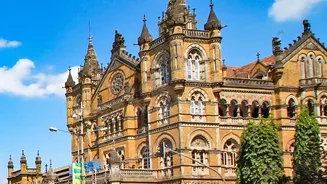
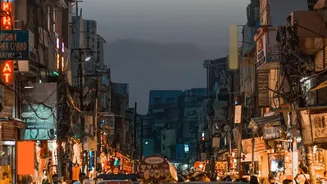
The simple act of walking is transformative. It slows down the pace of discovery, allowing for a richer sensory experience. On foot, you notice the intricate details of architecture, the aroma of street food being prepared, and the ambient sounds of a neighbourhood. In cities like Delhi, a walk through the narrow lanes of Shahjahanabad or the historic expanse of Mehrauli offers a tangible connection to centuries of history that is impossible to grasp from a vehicle. This slower, more deliberate exploration creates space for spontaneous interactions and deeper observation, turning a simple tour into a memorable journey. This move away from rushed itineraries reflects a broader trend towards 'slow travel', where the quality of the experience outweighs the quantity of sights seen.
Spotlight on India's Metros
Across India, a vibrant ecosystem of walking tours is flourishing. In Delhi, you can trace the legacy of the poet Ghalib, explore the spiritual heritage of the Rakab Ganj Sahib Gurudwara, or even delve into the city's queer histories. In Mumbai, heritage walks reveal the cosmopolitan fabric of areas like Bandra, while others uncover the city's architectural evolution. Bengaluru, once seen primarily as a business hub, now has a growing culture of heritage walks through areas like Lalbagh and Malleshwaram. These tours are not just for tourists; they are also popular with locals looking to reconnect with their own city. From food trails and heritage walks to explorations of specific trades and subcultures, these excursions offer a new lens through which to view familiar urban landscapes.
Supporting Local, Experiencing More
This shift also carries a significant economic and social benefit. Experiential tourism, particularly through walking tours, channels revenue directly into local communities. It creates employment for local guides, artisans, and small business owners who provide the authentic experiences travellers seek. By engaging with these micro-entrepreneurs, travellers contribute to the preservation of cultural heritage and local traditions that might otherwise be lost in the wave of urbanisation. This creates a virtuous cycle: tourists get a more meaningful and ethical travel experience, while the communities they visit are empowered to protect and share their unique cultural identity.