






The New Kitchen Reality
Walk down any grocery aisle and the tension is palpable. On one hand, there’s a heightened awareness of health, driven by the pandemic. On the other, there's the sticker shock of a rising food bill. For many Indian households, the desire to eat clean
has been in direct conflict with the need to manage a tight budget. This isn't just about the occasional avocado; even basic vegetable and dal prices can feel unpredictable. This economic pressure, combined with a collective health awakening, has created the perfect storm for a nutritional revolution. People are actively seeking ways to nourish their families without emptying their wallets, moving beyond the idea that 'healthy' must mean 'expensive' or 'imported'. This search is forcing a nationwide rethink of what truly constitutes a good, affordable meal.
The Glorious Return of Millets
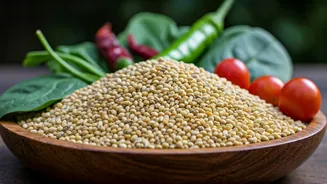
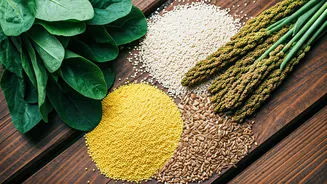
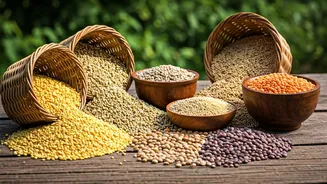
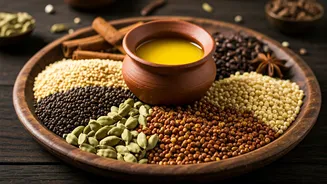
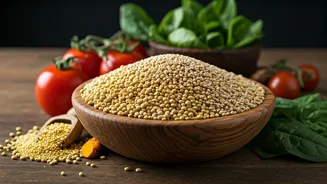
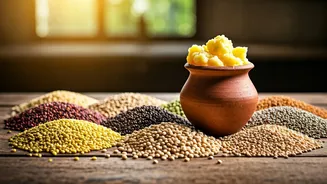
The hero of this new movement is surprisingly old: the humble millet. For decades, grains like ragi, jowar, and bajra were often dismissed as rural or old-fashioned, overshadowed by polished rice and wheat. Today, they are being celebrated for what they are: nutritional powerhouses that are climate-resilient and affordable. Designated the 'International Year of Millets' by the UN, these ancient grains are making a huge comeback. They are packed with fibre, protein, and essential micronutrients, and their low glycemic index makes them excellent for managing blood sugar. More importantly, they are often cheaper than refined grains. This revival isn't just about home cooking; startups are launching millet-based dosa batters, cookies, and noodles, making it easier than ever to incorporate them into a modern diet. It’s a classic win-win: good for your health, your wallet, and the farmer.
Beyond the 'Superfood' Hype
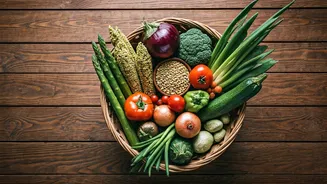
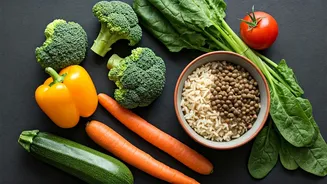
The focus on low-cost nutrition is also shifting our gaze from expensive, imported 'superfoods' like quinoa and kale to the treasures in our own backyards. Think moringa (drumstick leaves), amaranth greens, jackfruit, and local gourds. These are incredibly nutrient-dense, readily available, and inexpensive. The movement is about celebrating regional and seasonal produce. Eating seasonally not only guarantees fresher, more flavourful food but also means you’re buying produce at its peak supply, which naturally lowers the cost. Farmers' markets and direct-to-consumer platforms are playing a key role, cutting out middlemen and delivering fresh, affordable produce to urban homes. This shift encourages a more sustainable and connected way of eating, where nutrition is sourced locally, not from a catalogue of global trends.
Smart Habits for a Healthier Budget
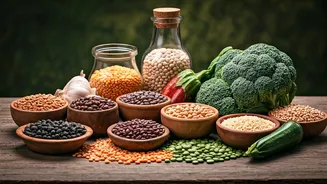
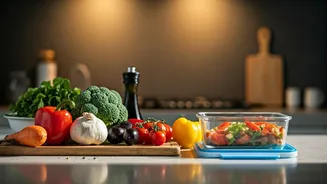
While the market is adapting, the biggest changes are happening in our own kitchens. Smart habits are the cornerstone of affordable nutrition. Meal planning is chief among them. Simply planning your meals for the week can drastically reduce impulse buys and food waste—two of the biggest drains on a grocery budget. Cooking in batches, or 'meal prepping', saves both time and money, ensuring a healthy, home-cooked meal is always ready. Another key habit is embracing whole foods. A bag of dal is far cheaper and healthier than a ready-to-eat processed meal. Learning to cook from scratch, mastering basic recipes, and understanding how to use leftovers creatively are becoming essential life skills again. It's a return to the wisdom of our grandparents, repurposed for the modern, busy household.
Startups and Supermarkets Are Listening
The food industry has taken notice. A new wave of Indian startups is dedicated to cracking the code of affordable health. These companies are not just repackaging old ideas; they are innovating. They offer budget-friendly health mixes, protein powders derived from local ingredients, and healthy snacks that compete on price with their junk-food counterparts. Even large supermarket chains are adapting. They are expanding their private-label organic sections, offering staples like dals, spices, and grains at more competitive prices. Many are also improving their sourcing of fresh produce to keep costs down. This market response is crucial, as it makes low-cost nutrition more accessible and convenient for everyone, not just those with the time to visit specialised stores or markets.