






The All-Too-Common Grazing Trap
Grazing, or the act of eating frequently and often mindlessly between meals, is a common habit. For many, it's a response to boredom, stress, or simply the constant availability of food. While it might seem harmless, this pattern of eating prevents you
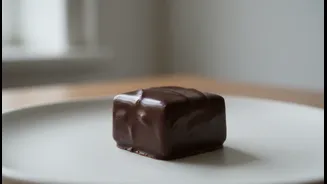
from ever feeling truly hungry or truly full. This disrupts your body's natural hunger and satiety cues, which can lead to consuming more calories than you need and making less nutritious choices. When you graze, you're more likely to reach for convenient, processed foods that are high in sugar and unhealthy fats, rather than nutrient-dense options. Over time, this can contribute to weight gain and leave you feeling sluggish as your energy levels spike and crash.
Why Your Body Loves a Schedule
Introducing a planned snack time is about creating predictability for your body and mind. When you eat at regular intervals, you help stabilise your blood sugar levels. This prevents the sharp dips in energy that often trigger cravings for sugary, quick-fix foods. A scheduled snack acts as a bridge between larger meals, preventing you from becoming overly hungry. When you arrive at your next meal feeling calm rather than ravenous, you're more likely to make mindful choices and eat a reasonable portion. There's a psychological benefit, too. Planning your snacks reduces 'decision fatigue,' the mental exhaustion that comes from making too many choices throughout the day. By deciding in advance what and when you'll eat, you conserve mental energy and are less likely to make impulsive, unhealthy decisions.
How to Find Your Ideal Snack Window
There is no one-size-fits-all schedule; the key is to listen to your body and consider your daily routine. Pay attention to when you naturally start to feel a dip in energy or the first signs of hunger between meals. For many, a mid-morning snack around 11 a.m. and a mid-afternoon snack around 4 p.m. work well to bridge the gap between breakfast, lunch, and dinner. The goal is to time your snack so that it's about two to three hours after your last meal and a couple of hours before your next one. If you have a demanding workout schedule, you might need a snack to fuel your exercise or aid recovery. Don't wait until you're starving to eat; planned snacking is about anticipating your body's needs before hunger becomes overwhelming.
The Anatomy of a Smart Snack
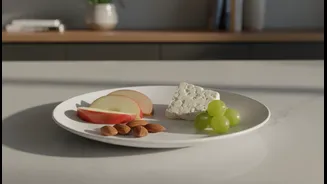
What you eat is just as important as when you eat it. An ideal snack is not just empty calories; it's a mini-meal that provides sustained energy. The most effective combination is a mix of protein and fibre, often with a source of healthy fat. Protein promotes satiety, helping you feel fuller for longer. Fibre slows down digestion, which also contributes to fullness and helps regulate blood sugar. Simple ideas include an apple with peanut butter, Greek yogurt with berries, a handful of almonds, roasted chickpeas, or whole-grain crackers with hummus. These options provide a balanced mix of nutrients that will satisfy your hunger and keep you energised until your next meal, unlike a sugary biscuit that leads to a quick crash.
Making Your New Habit Stick
Consistency is key to turning a planned snack time into a lasting habit. Start by prepping your snacks in advance. Spend a few minutes at the beginning of the week washing and chopping vegetables, portioning out nuts into small containers, or making a batch of energy balls. Make healthy choices the easiest choices by keeping them visible and accessible. When it's time for your snack, step away from your screen and eat mindfully. Pay attention to the taste and texture of your food. This helps your brain register that you've eaten, leading to greater satisfaction. If you forget or have an off day, don't worry. Simply get back on track with your next planned snack.