




Our Sun’s Turbulent Cycle
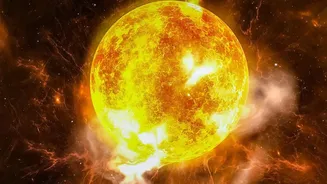
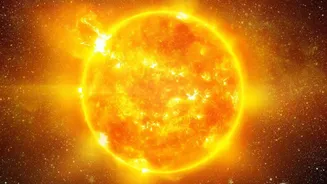
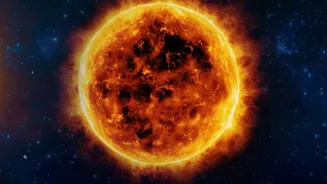
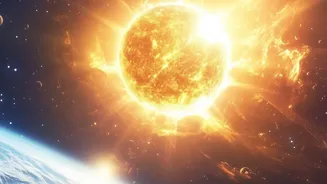
The sun is not a static ball of fire; it has a heartbeat. Roughly every 11 years, it goes through a solar cycle, transitioning from a quiet period (solar minimum) to a phase of intense activity (solar maximum). We are currently in Solar Cycle 25, which
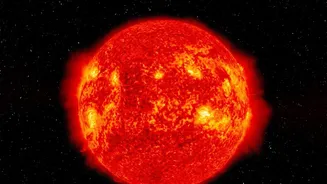
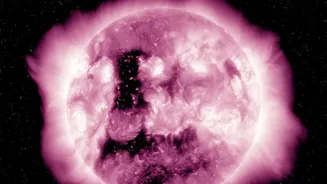
has been building towards its peak. During solar maximum, the sun’s magnetic field becomes tangled and chaotic, leading to a dramatic increase in sunspots. These dark, complex regions on the solar surface are the breeding grounds for massive eruptions like solar flares and coronal mass ejections (CMEs). While the 2026 peak was long predicted, some reports from early in the year noted that the sun was entering the most active part of the cycle, with powerful X-class flares becoming more frequent.
From Solar Flares to Geomagnetic Storms
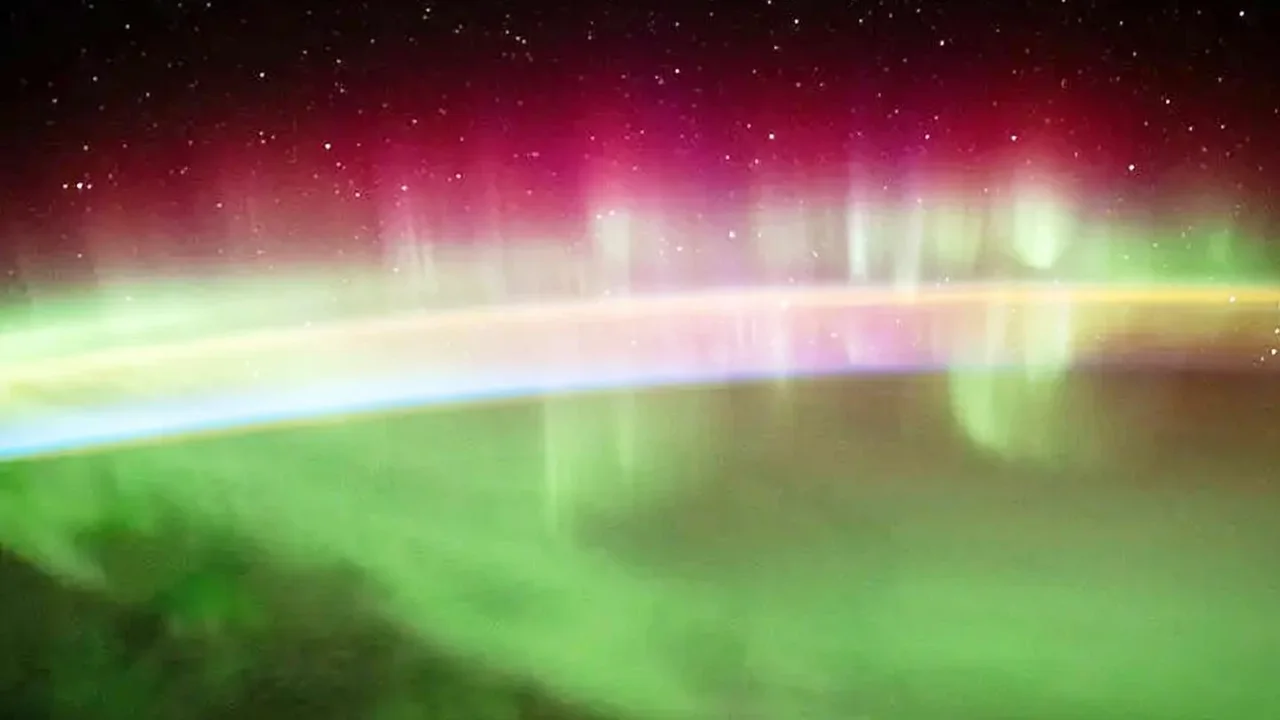
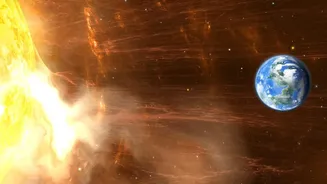
When a sunspot's magnetic energy snaps, it can release a solar flare—an enormous burst of radiation that travels at the speed of light, reaching Earth in about eight minutes. These flares can cause immediate radio blackouts on the sunlit side of our planet. Often accompanying these flares are CMEs, which are vast clouds of magnetized plasma and charged particles hurled into space. If a CME is aimed at Earth, it can take anywhere from a few hours to a few days to arrive. When it slams into Earth’s protective magnetic field (the magnetosphere), it triggers a geomagnetic storm, which is the primary cause of widespread space weather disruptions.
Satellites in the Firing Line
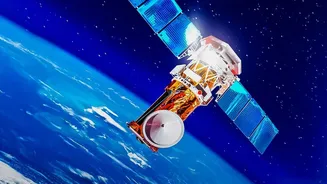
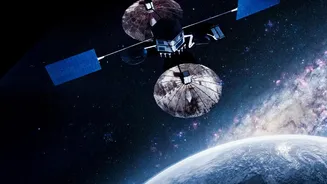
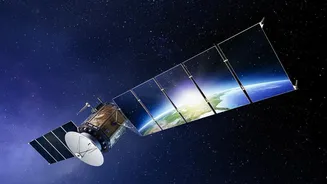
Satellites are particularly vulnerable to this onslaught for several reasons. First, for those in low-Earth orbit (LEO), like Starlink's constellation, geomagnetic storms heat and expand the upper atmosphere. This increases atmospheric drag, slowing satellites down, causing them to lose altitude, and requiring them to burn precious fuel to stay in their correct orbit. Second, high-energy particles from solar events can bombard a satellite's sensitive electronics, causing malfunctions, data corruption, or permanent damage. This is known as radiation damage. Finally, the charged environment of a storm can cause electricity to build up on a satellite's surface, leading to electrostatic discharges that can short-circuit key components. The storm's impact on the ionosphere can also bend, scatter, or absorb the radio signals satellites use to communicate with the ground, disrupting GPS, navigation, and data services.
Real-World Consequences
A disrupted satellite isn't just a problem for astronauts. Our reliance on this orbital infrastructure is woven into the fabric of daily life. In India, a significant solar event could disrupt everything from GPS navigation used by drivers and farmers to digital payment systems that rely on precise timing signals. Satellite television, high-frequency communications for aviation, and even the stability of power grids can be affected. Earlier in 2026, the Indian Space Research Organisation (ISRO) issued high alerts for its fleet of over 50 satellites following a series of powerful solar flares, highlighting the real-time threat to national infrastructure.
Shielding Our Digital Lifelines
Fortunately, we are not helpless against the sun's fury. Satellite operators and space agencies have developed numerous mitigation strategies. Many critical satellites are built with radiation-hardened electronics to better withstand the harsh space environment. Improved space weather forecasting, aided by missions like ISRO's Aditya-L1, provides advance warning of incoming storms. This allows operators to take protective measures, such as temporarily putting satellites into a 'safe mode' to shut down non-essential systems or adjusting orbits to minimize drag. For large constellations, redundancy is key; operators may accept the loss of a few satellites knowing thousands more are in orbit. These proactive measures are crucial for protecting the billions of dollars of assets in orbit and the services they provide.