




The Fundamental Difference in Motion
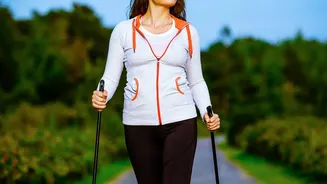
The core reason walking is easier on your joints lies in its basic mechanics. When you walk, your body moves in a smooth, rolling motion. At any given moment, at least one of your feet is in contact with the ground. This continuous connection means your body weight
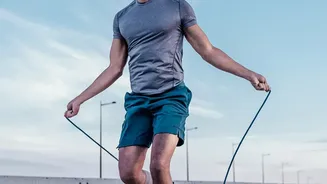
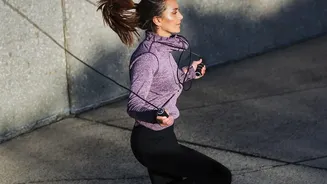
is transferred relatively gently from one leg to the other. There is no 'flight' phase where both feet are airborne simultaneously. Skipping, on the other hand, is defined by its bouncy, step-hop pattern. It inherently includes a moment of flight in every cycle, just like running. After this brief period of being airborne, you land. It's this landing that dramatically changes the forces your body has to absorb.
A Closer Look at Impact Forces
The force exerted by the ground back onto your body upon landing is called 'ground reaction force' (GRF). Because walking involves a perpetual connection to the ground, the GRF is relatively low. Think of it as a controlled placement of your foot. Skipping, however, is a high-impact activity. When you land after being airborne, even for a split second, the GRF is significantly higher. Studies have shown that the peak forces on the knee are substantially greater during high-impact exercises compared to low-impact ones. One study comparing running (another high-impact gait) to skipping found that running produced nearly double the peak force on the kneecap. This shockwave travels up your kinetic chain, from your feet and ankles through your knees and into your hips and lower back. Over time, repeated high-impact loading can contribute to wear and tear on the cartilage that cushions your joints.
Your Knees and Hips Feel the Difference
Your knees, hips, and ankles are the primary shock absorbers. The knee joint, in particular, takes a lot of the strain during high-impact movements. While some impact is good for stimulating bone density, excessive and repetitive force can be problematic, especially for individuals with pre-existing joint issues, arthritis, or those who are overweight. Walking helps lubricate and nourish the cartilage in your joints by increasing blood flow without subjecting them to jarring forces. This gentle movement can reduce stiffness and even alleviate symptoms of arthritis for some people. Skipping, with its higher impact, places greater demands on these joints to stabilise and absorb force, increasing the potential for strain or injury if your form is off or if you do too much too soon.
The Sustainable Choice: In Praise of Walking
For most people, especially those new to exercise or managing joint pain, walking is the superior choice for long-term, sustainable fitness. It's an accessible, low-cost activity that can be easily integrated into daily life. Regular brisk walking is excellent for cardiovascular health, weight management, and improving circulation to your joints without the high risk of impact-related injuries. You can do it for longer periods than a high-intensity exercise like skipping, which allows for sustained calorie burn and endurance building at a pace your body can comfortably handle.
The Potent Workout: Don't Discount Skipping
This isn't to say skipping is a 'bad' exercise. Far from it. For those with healthy joints, it’s an incredibly efficient and effective workout. Skipping is a phenomenal cardiovascular exercise that can burn a significant number of calories in a short amount of time—often more than brisk walking or even running at the same speed. It also boosts coordination, agility, and balance. Because it's a weight-bearing, plyometric exercise, it can also help improve bone density. The key is to approach it with caution. Proper form is crucial, as is listening to your body. It's best used as a component of a well-rounded fitness plan rather than the sole form of cardio, particularly if you're concerned about joint health.