




A Team in Disarray
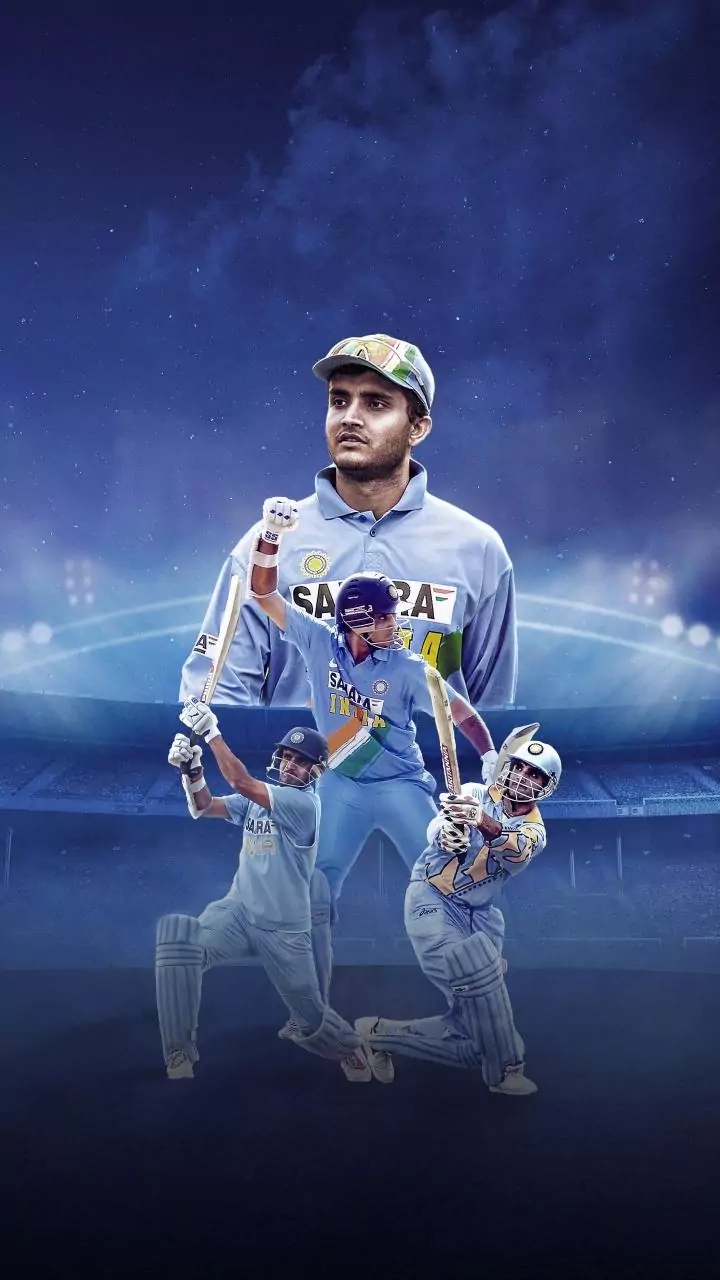
When Sourav Ganguly became captain in 2000, Indian cricket was at its lowest ebb. The match-fixing controversy had implicated senior players, shattered the trust of millions, and left the team in turmoil. The side was often perceived as talented but brittle,
formidable at home but meek on overseas tours. The captaincy was passed to Ganguly after Sachin Tendulkar stepped down, placing the 27-year-old in charge of a rudderless ship. His immediate challenge was not just to strategise for the next match, but to restore credibility and forge a new identity for a team that had lost its way. He had to build a unit from scratch, a task that required more than just cricketing skill; it demanded immense character and vision.
The Art of Backing Talent
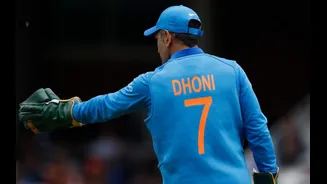
Perhaps Ganguly's greatest legacy is the generation of cricketers he nurtured. He possessed an uncanny eye for talent and, more importantly, the conviction to back his choices through thick and thin. Players who would form the core of India's future successes, like Virender Sehwag, Yuvraj Singh, Harbhajan Singh, and Zaheer Khan, were all given their break and a long rope under his leadership. Even a young Mahendra Singh Dhoni made his debut and received crucial backing from Ganguly. This was a significant departure from the past, where a few poor performances could end a player's career. Ganguly's philosophy was simple: give talented players security and they will repay you with match-winning performances. He famously fought with selectors to get players like Harbhajan Singh on the team, who then went on to create history.
Forging a Fearless New Identity
Under Ganguly, the Indian team shed its reputation for being passive. He instilled an aggressive, in-your-face brand of cricket. The message was clear: India would not be bullied. This new attitude was famously showcased during Australia’s tour of India in 2001. After losing the first Test, India stared at defeat in the second match in Kolkata before VVS Laxman and Rahul Dravid orchestrated one of the greatest comebacks in Test history. India won the match after being forced to follow on, ending Australia's record winning streak of 16 Tests. Another defining moment came in the 2002 NatWest Series final at Lord's. Chasing a mammoth 326, India collapsed to 146-5 before youngsters Yuvraj Singh and Mohammad Kaif scripted a miraculous victory. Ganguly’s shirtless celebration on the Lord’s balcony became an iconic symbol of this new, unapologetic India.
Tactical Acumen and Global Success
Ganguly's genius was not just about attitude; it was backed by sharp tactical decisions. His masterstroke of asking Virender Sehwag, a middle-order batsman, to open in Test cricket revolutionized India's approach to the longest format. He led India to the final of the 2003 ICC World Cup, a tournament where he was also one of the top run-scorers, making him the first Indian to score a century in a World Cup knockout match. While India lost the final to a dominant Australian side, the journey there marked the culmination of years of rebuilding. Under his captaincy, India started winning Test matches overseas with consistency, including a historic series win in Pakistan in 2004 and drawing a hard-fought series in Australia. India also jointly won the 2002 ICC Champions Trophy.
The Enduring Legacy
The foundation laid by Sourav Ganguly yielded results for years to come. The core group of players he backed went on to win the inaugural T20 World Cup in 2007 and the ODI World Cup in 2011 under MS Dhoni's captaincy. He changed the team's culture from one of individual brilliance to collective fighting spirit. He transformed a team of talented individuals into a formidable, cohesive unit that believed it could win from any situation, anywhere in the world. More than the victories, his greatest contribution was injecting a dose of self-belief and fearlessness into the veins of Indian cricket. He didn't just lead a team; he inspired a revolution that continues to define Indian cricket today.