

The Quintessential Crispy Snack: Pakoras
No monsoon is complete without pakoras, also known as bhajiyas in many parts of the country. These deep-fried fritters, made by coating vegetables like onion, potato, or spinach in a spiced gram flour batter, are the ultimate rainy-day indulgence. There’s
a reason for this craving; the drop in temperature makes our bodies desire hot, energy-dense foods. The satisfying crunch combined with the soft interior, often paired with a steaming cup of masala chai, is a cultural touchstone that signifies comfort, nostalgia, and the simple joy of watching the rain fall. While they are an undeniable treat, Ayurveda suggests enjoying fried foods in moderation as digestion can be sluggish during this humid season.
Street-Style Favourite: Roasted Corn on the Cob
The sight of a street vendor roasting 'bhutta' over hot coals is a hallmark of the Indian monsoon. This humble snack is more than just delicious; it’s a healthier seasonal choice. Served hot, rubbed with a mixture of lemon juice, salt, and chilli powder, roasted corn is a light yet satisfying treat. Nutritionally, corn is a good source of fibre and antioxidants. Its smoky flavour and simple preparation make it the perfect snack to enjoy while taking a walk in the drizzle, offering warmth and a taste that is intrinsically linked to the season.
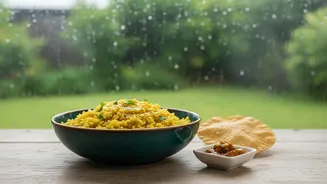
The Comfort Bowl: Khichdi
When the craving leans towards something wholesome and nourishing, khichdi is the answer. This one-pot dish of rice and lentils, typically moong dal, is the embodiment of comfort food and aligns perfectly with Ayurvedic principles for the rainy season. During the monsoon, the digestive system is considered weaker, and Ayurveda recommends light, warm, and easily digestible meals. Khichdi, often cooked with a dollop of ghee and tempered with digestive spices like cumin and turmeric, fits this description perfectly. It's a balanced meal providing both carbohydrates and protein, keeping you energised and satiated without feeling heavy.
Warm and Healing Soups
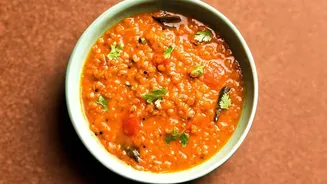
A bowl of hot soup is deeply comforting when the weather is damp and cool. In India, this takes many delicious forms. From lentil soups like dal shorba to the tangy and peppery South Indian rasam, these liquid meals are both flavourful and beneficial. Soups are easy on the digestive system and help keep the body hydrated and warm. Many traditional recipes incorporate spices like ginger, black pepper, and turmeric, which are known for their immunity-boosting and anti-inflammatory properties, helping to ward off seasonal colds and flu.
Immunity-Boosting Herbal Teas
Masala chai is the undisputed king of monsoon beverages, but the rainy season also sees an increased consumption of various herbal teas and concoctions. A simple tea made with ginger, lemon, and honey can soothe a sore throat and aid digestion. Another popular drink is 'kadha', an Ayurvedic brew made by simmering herbs and spices like tulsi (holy basil), black pepper, cloves, and cinnamon in water. These drinks are consumed not just for their warmth but for their ability to strengthen the immune system, which is particularly vulnerable during the change of season.
Nourishing Seasonal Produce
The monsoon brings a bounty of specific fruits and vegetables. Embracing these seasonal offerings is a great way to stay healthy. Fruits like jamun (black plum), pomegranate, and apples are recommended for their nutritional benefits. Amla, or Indian gooseberry, is a powerhouse of Vitamin C, crucial for bolstering immunity during a time of high infection risk. Vegetables like bitter gourd, bottle gourd (lauki), and pointed gourd (parwal) are also preferred as they are light and easy to digest when cooked well. Incorporating these into your daily meals provides essential vitamins and minerals your body needs to navigate the season.