





The Science of Staying Cool
Reflective cool roof coatings are essentially high-performance paints designed to combat heat. Unlike standard roofing materials that absorb a large portion of the sun's energy, these coatings work on two principles: high solar reflectance and high thermal
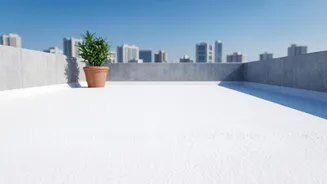
emittance. Solar reflectance, or albedo, is the ability to reflect sunlight away from the surface. A standard dark roof might reflect only 10-20% of sunlight, while a cool roof can reflect up to 80% or more. Thermal emittance is the roof's ability to efficiently release the heat that it has absorbed. Together, these properties mean the roof stays significantly cooler, transferring less heat into the building below. Studies have shown cool coatings can lower a roof's surface temperature by as much as 30°C.
Tangible Benefits for Urban Dwellers
The most immediate benefit is a noticeable drop in indoor temperatures. Research indicates that cool roofs can lower the temperature inside a non-air-conditioned home by 2°C to 5°C. For residents of city flats, especially on the top floor, this can mean the difference between an unbearable afternoon and a comfortable living space. This passive cooling effect directly translates into financial savings. With a cooler interior, the reliance on air conditioners decreases significantly. Experts estimate that cool roofs can reduce air conditioning energy use by 10% to 20%, leading to lower monthly electricity bills. Over time, this makes the initial investment in the coating a financially savvy decision.
A Sustainable Choice for Cities
The benefits of cool roofs extend beyond individual households. When adopted on a wider scale, they play a crucial role in combating the Urban Heat Island (UHI) effect, where cities are significantly warmer than surrounding rural areas due to dense concentrations of heat-absorbing surfaces like asphalt and concrete. By reflecting sunlight, cool roofs help lower the ambient temperature of the entire neighbourhood. This city-wide cooling reduces the overall energy demand for air conditioning, which in turn cuts down on greenhouse gas emissions from power plants. Several Indian cities have recognized this potential. Ahmedabad was a pioneer with its Heat Action Plan, which included a cool roofs program targeting low-income housing. More recently, Telangana launched a state-wide Cool Roof Policy, making it mandatory for many new buildings and aiming to cover 300 square kilometres with cool roofs by 2028.
Making the Switch: What to Consider
For those considering this solution, there are several practical points. The Indian market offers a variety of cool roof coatings, primarily acrylic or polyurethane-based, from well-known paint brands. The cost can range from ₹1,500 to ₹3,500 for a 20-litre container, which typically covers a large area. Application is straightforward and can be done with a brush or roller, similar to regular painting, making it a viable DIY project for some. When choosing a product, look for its Solar Reflectance Index (SRI), a value that measures the roof's ability to reject solar heat. A higher SRI value indicates better performance. While white coatings are the most effective, newer technologies offer cool-coloured options that reflect the invisible near-infrared portion of sunlight, allowing for darker shades that still provide cooling benefits.