


What Is a Shag Haircut?
At its core, the shag is a heavily layered haircut designed to create texture, volume, and movement. Unlike standard layers that blend smoothly, a shag features shorter, choppier layers, particularly around the crown and face. This technique creates a distinctive
silhouette that's full on top and tapers to thinner, feathered ends. Originally popularised by stylist Paul McGregor for actress Jane Fonda in the early '70s, the cut became synonymous with the rock 'n' roll, free-spirited attitude of the decade, worn by icons like Joan Jett and Mick Jagger.
The Allure of Wispy Bangs
The classic '70s shag is almost always paired with a fringe, and wispy bangs offer the perfect complement. Unlike heavy, blunt bangs, a wispy fringe is soft, light, and textured. It frames the face without feeling severe, adding to the haircut's overall relaxed and undone vibe. This style of bang is incredibly versatile; it can be worn straight across, parted in the middle like curtain bangs, or swept to the side, allowing you to change your look with minimal effort. The softness of wispy bangs also helps to blend the shorter layers of the shag into the longer lengths seamlessly.
Why the Shag Works Today
The modern shag's appeal lies in its low-maintenance nature. It's a style that is designed to look intentionally imperfect, making it ideal for those who prefer to air-dry their hair and embrace their natural texture. Today's versions are often softer and more blended than their '70s counterparts, with stylists using razors or point-cutting techniques to create a more lived-in feel. Celebrities like Taylor Swift, Jenna Ortega, and Selena Gomez have all embraced modern interpretations of the shag, proving its versatility and timeless cool.
Is This Cut Right For You?
One of the shag's greatest strengths is its adaptability. It can be tailored to suit almost any face shape and hair type. For round or square faces, the layers and soft fringe can help to add definition and soften strong jawlines. On heart-shaped or oval faces, the style creates beautiful balance. Fine hair gets an incredible boost of volume from the layering at the crown, while thick hair benefits from the removal of excess weight, which allows for more movement. The shag also works beautifully with natural waves and curls, as the layers encourage texture and reduce bulk.
How to Ask Your Stylist for the Look
Communication with your stylist is key to getting the shag you envision. Bring inspiration photos of modern shags to show the level of texture and layering you prefer. Use keywords like 'choppy layers', 'volume at the crown', 'textured ends', and 'soft, wispy bangs'. You can also specify if you prefer a more dramatic, rock-inspired cut or a softer, more blended version. Discuss the length you're comfortable with, as shags can range from short pixie styles to long, flowing cuts. A good stylist will be able to customize the cut to flatter your features and suit your lifestyle.
Styling Your Shag at Home
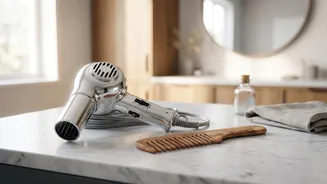
Embracing the shag means letting go of perfectly polished hair. This cut thrives on a bit of messiness. For an easy, everyday look, apply a texturizing spray or sea salt spray to damp hair and let it air-dry, scrunching occasionally to enhance movement. A diffuser can be used to bring out natural waves and curls while boosting volume. For a more defined look, you can use a flat iron or curling wand to randomly bend a few sections of hair. The goal is to enhance the layers, not to create uniform curls. A bit of dry shampoo at the roots can also help maintain that perfectly undone, second-day texture.