





1. What is today’s gold rate, and for which purity?
Jewellers display the day's gold rate, but it's crucial to confirm which purity it applies to. The rate for 24 Karat (24K) gold, which is 99.9% pure, is always higher than for 22 Karat (22K) or 18 Karat (18K) gold. Most jewellery in India is made from
22K gold, as 24K is too soft for intricate designs. Ask the jeweller for the specific rate of the karat you are buying. For example, if the 24K rate is displayed, the 22K rate should be approximately 91.6% of that price. Clarity on this point is the foundation of your entire bill.
2. What are the making charges and how are they calculated?
Making charges, also known as labour charges, cover the cost of designing and crafting the raw gold into a finished piece of jewellery. These charges are not standardised and can vary significantly from one jeweller to another, and even between different designs in the same store. They can be calculated as a fixed amount per gram or, more commonly, as a percentage of the gold's value, often ranging from 8% to over 25%. Intricate, handcrafted pieces will have higher making charges than simpler, machine-made designs. Always ask for a clear breakdown and don't be afraid to negotiate, as this is often the most flexible component of the price.
3. Is this jewellery BIS hallmarked with a HUID?
To guarantee purity, the Bureau of Indian Standards (BIS) mandates hallmarking for gold jewellery. A complete, modern hallmark consists of three marks: the BIS logo, the purity grade (e.g., 22K916), and a six-character alphanumeric Hallmark Unique Identification (HUID) number. This HUID code is unique to each piece of jewellery and acts as its fingerprint, allowing you to verify its authenticity, purity, and origin using the BIS CARE mobile app. Insist on HUID-hallmarked jewellery, as it provides a government-backed assurance of quality and traceability.
4. For studded jewellery, what is the net gold weight?
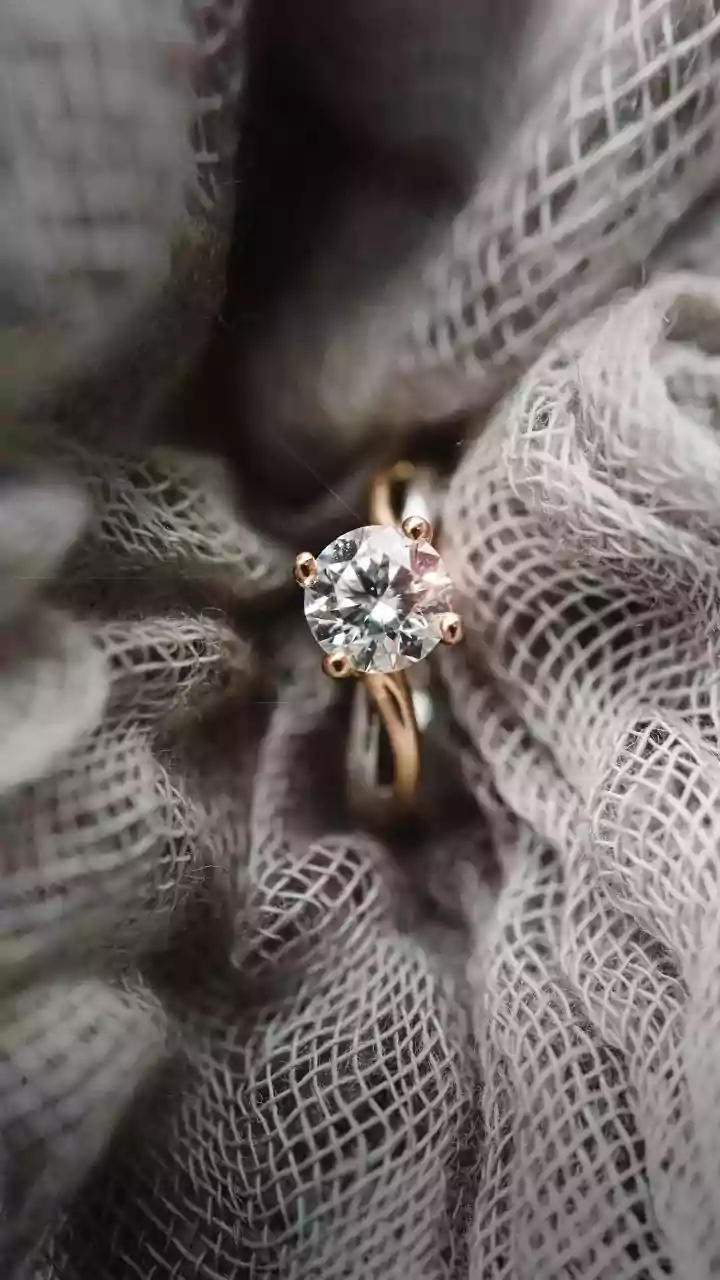
When buying jewellery with diamonds, emeralds, or other stones, the quoted price can be misleading. It is vital to ask for the gross weight of the item versus the net weight of the gold. You should only pay the gold rate for the net weight of the gold. The stones should be priced separately based on their own metrics (like carat, clarity, and cut for diamonds). Some jewellers might try to include the weight of the stones in the overall weight and charge you the gold rate for it, which is an incorrect practice. Always ask for a bill that clearly separates the weight and cost of the gold from the weight and cost of the stones.
5. Can you provide a detailed, itemised bill?
A transparent bill is your best friend. It should clearly list every component of the final price. This includes the gold rate, the net weight of the gold, the making charges (either as a percentage or a per-gram cost), the price of any gemstones, and the applicable Goods and Services Tax (GST). In India, GST is levied at 3% on the value of the gold and 5% on the making charges. A detailed invoice not only shows you exactly what you're paying for but is also essential for any future exchange or buy-back.
6. What is your buy-back or exchange policy?
Gold is often purchased with the future in mind. Knowing the jeweller's buy-back or exchange policy is crucial for understanding its long-term value. Ask what percentage of the current gold value you will receive if you decide to sell or exchange the piece later. Most policies will offer the value of the gold at the prevailing market rate but will not refund the making charges or GST you paid. Policies can vary significantly, with some offering better terms for exchange than for a cash buy-back. Having this information upfront helps you make a more informed investment.