







The Price Cut in Numbers
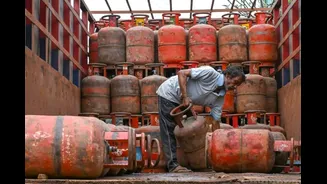
Effective July 1, 2026, oil marketing companies announced a reduction in the price of 19-kg commercial LPG cylinders. In Delhi, the price was slashed by Rs 183.50, bringing the cost of a cylinder down to Rs 2,930. Similar reductions were seen across other
major cities, with prices in Mumbai dropping by Rs 182 to Rs 2,885.50 and in Kolkata by Rs 174 to Rs 3,081.50. This marks the first price cut for commercial cylinders in 2026, a welcome change after a series of hikes earlier in the year that saw prices climb due to geopolitical tensions and supply chain pressures. The reduction is largely attributed to an easing of global crude oil prices.
The Lifeline for Kitchens
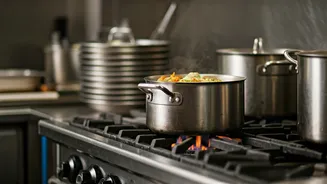
While it might seem like a modest amount, for any food business, LPG is a critical and constant expense. From the hiss of the espresso machine's steam wand to the flame under a frying pan and the heat in the baking oven, gas is the lifeblood of a cafe's kitchen. It is a significant operational expenditure, often trailing only rent and staff salaries. In recent months, rising fuel costs have squeezed already thin profit margins, forcing many establishments to make tough choices. Some have had to absorb the costs, while others have been forced to pass them on to customers or even reduce menu items that are gas-intensive.
A Sigh of Relief, Not a Windfall
It's important to place this price drop in context. A busy cafe can easily go through several large commercial cylinders in a month. A saving of around Rs 180 per cylinder translates to a few thousand rupees in monthly savings. While this won't fundamentally change the financial landscape for a business, it provides much-needed breathing room. Industry insiders note that running a cafe is a high-cost venture, with initial setup costs running into several lakhs and numerous ongoing expenses, from inventory and equipment maintenance to electricity and marketing. Therefore, any reduction in a key input cost like fuel is greeted as a positive development, easing some of the relentless financial pressure.
Will Your Coffee Get Cheaper?
This is the question on every customer's mind. The straightforward answer is: probably not. Cafe and restaurant owners are quick to point out that this single price drop, while welcome, comes after a period of significant inflation across the board. The costs of other essential inputs—from coffee beans and milk to imported ingredients and packaging—have been on an upward trend. Furthermore, businesses have been absorbing higher fuel costs for months. As such, this reduction is more likely to be used to stabilise their finances and recover from previous cost pressures rather than to fund a reduction in menu prices. It helps them avoid further price hikes, which in itself is a benefit for the consumer.