


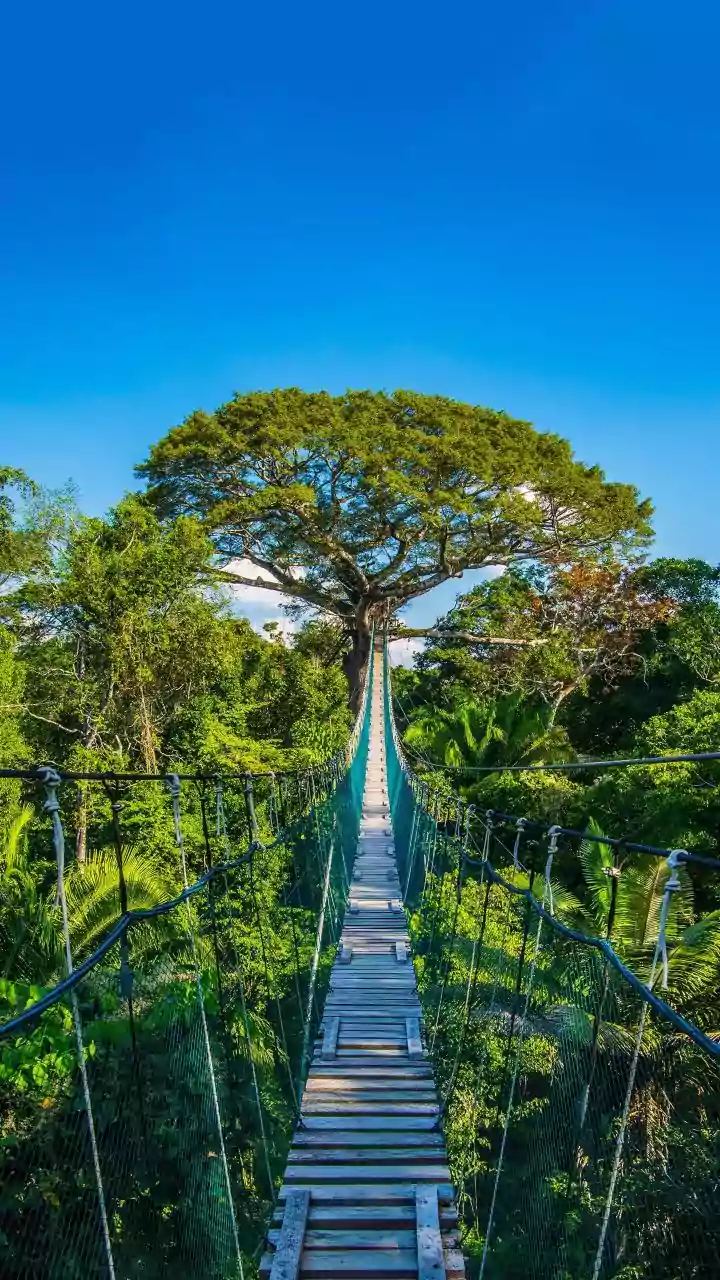





The daily grind of city life is being swapped for birdsong and mountain air. A growing number of Indian professionals are packing their laptops and heading to the countryside for 'workations', blending their jobs with travel. But what's behind this shift?
The Great Escape from Urban Burnout
The post-pandemic era cemented remote work as a viable long-term reality for many, especially in India's booming IT and creative sectors. This newfound flexibility has empowered professionals to reconsider their urban-centric lives. Cities like Mumbai, Bengaluru, and Delhi, while offering opportunities, are also synonymous with high stress, pollution, traffic congestion, and a relentless pace of life. The ability to work from anywhere has triggered an exodus, not just for holidays, but for prolonged stays in quieter, calmer environments. Professionals are actively seeking a better work-life balance, and rural retreats offer a powerful antidote to the mental exhaustion and burnout associated with city living. It's a conscious choice to trade crowded cityscapes for open spaces and a slower, more intentional lifestyle.
A Favourable Economic Equation
One of the most compelling reasons for choosing a rural workation is simple economics. The cost of living in India's metropolitan hubs is notoriously high, with rent often consuming a significant portion of monthly income. In contrast, villages and smaller hill towns offer dramatically lower expenses. Long-term stays in homestays or guesthouses are often available at a fraction of the cost of a city apartment's rent. For instance, a month's stay in a Manali workation package can be found for what one might pay for just a couple of weeks' rent in a major city. This financial relief, combined with savings on daily commutes and expensive city-based entertainment, makes working from a village a financially savvy move, allowing professionals to save money while enjoying a higher quality of life.
The Rise of the Connected Village
Just a few years ago, the idea of working from a remote Himalayan village seemed impossible due to poor connectivity. However, a quiet infrastructural revolution has changed the game. Aggressive expansion by telecom companies has brought high-speed fiber optic internet to previously isolated areas. Homestay owners and local entrepreneurs, recognising the demand, have invested heavily in ensuring a seamless work experience. It's now common for even remote properties in places like Himachal Pradesh, Uttarakhand, and Sikkim to offer reliable Wi_Fi with speeds up to 100 Mbps, along with essential power backup like inverters and solar panels. This technological upgrade has been the single most critical enabler of the rural workation trend, making it feasible to conduct video calls and manage heavy workloads from the lap of nature.
Productivity and Well_being in Nature
The change of scenery does more than just offer a pretty backdrop for Zoom calls; it can significantly boost productivity and mental well_being. Away from the constant distractions of city life, many find they can focus more deeply on their tasks. The natural environment encourages a healthier routine. Instead of being confined indoors after logging off, one can go for a nature walk, explore local trails, or simply enjoy a sunset. This easy access to recreation reduces stress and helps create clearer boundaries between work and personal life, a common struggle for remote workers. The fresh air, peaceful surroundings, and connection to nature contribute to enhanced creativity and a more relaxed state of mind.
An Appetite for Authentic Experiences
Beyond the practical benefits, there's a growing desire for more authentic and immersive travel. A workation allows professionals to live like a local rather than just visit as a tourist. This extended stay facilitates a deeper connection with the regional culture, cuisine, and community. It's an opportunity to swap mall visits for shopping at local markets and to build relationships with homestay hosts and neighbours. Some rural workation initiatives even create a positive local impact, with remote workers helping to upskill village youth in digital tools or homestays prioritising the hiring of local staff and sourcing produce from nearby farms. This symbiotic relationship enriches the experience for the worker and can contribute positively to the rural economy.
The Not-_So-_Perfect Realities
While the dream of working from a picturesque village is alluring, it's not without its challenges. Despite significant improvements, internet connectivity can still be unstable in certain pockets, and power cuts can occur. Access to quality healthcare and other urban amenities is limited, which can be a major concern for long term stays. Furthermore, social isolation is a real risk. The absence of colleagues and the familiar social infrastructure of a city can lead to feelings of loneliness, especially for those not used to a quiet, solitary lifestyle. The rapid influx of urban professionals can also lead to friction, such as rising living costs for locals.