





India's journey towards complete self-reliance in space-based navigation is set to take another significant leap forward. The Indian Space Research Organisation (ISRO) is preparing for the launch of NVS-03, a crucial next-generation satellite.
A New Star in India's Navigation Constellation
The NVS-03
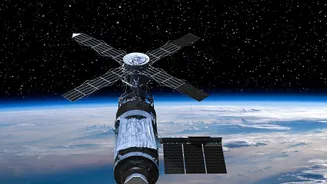
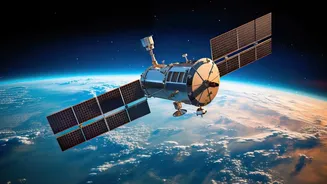
is the third satellite in the second-generation Navigation with Indian Constellation (NavIC) series. Weighing approximately 2,250 kg, it is designed to augment and ensure the continuity of NavIC's services. These second-generation satellites are built with enhanced features, including a longer mission life of at least 12 years, which is an upgrade from the 10-year lifespan of the original series. The primary goal of the NVS series is to maintain the health and operational readiness of India's independent regional navigation system, replacing older satellites and bolstering the constellation's overall capabilities.
Why NavIC Needs This Upgrade
NavIC is India’s homegrown answer to the US-owned Global Positioning System (GPS). It is a strategic asset, reducing the nation's dependence on foreign navigation networks for both civilian and military applications. A fully operational NavIC requires a minimum of four satellites to provide accurate positioning data. Over the years, atomic clock failures on some of the first-generation satellites and an unsuccessful deployment of the NVS-02 satellite in 2025 meant the constellation was operating below this minimum strength, impacting its standalone positioning service. The successful launch and commissioning of NVS-03 is therefore critical to restoring the full operational capability of the NavIC system.
Advanced Technology for Greater Accuracy
One of the most significant upgrades in the NVS series is the inclusion of an indigenously developed Rubidium atomic clock. These clocks are the heart of any navigation satellite, providing the ultra-precise timing data needed to calculate a user's position. Failures in imported clocks on earlier satellites prompted ISRO to develop its own, a major step in technological self_reliance. Furthermore, NVS_03 transmits signals in the L1 frequency band, in addition to the existing L5 and S bands. The L1 band is widely used by consumer devices like smartphones and wearables, a feature that will significantly boost the adoption and interoperability of NavIC services for the general public.
The GSLV Workhorse
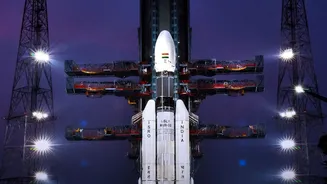
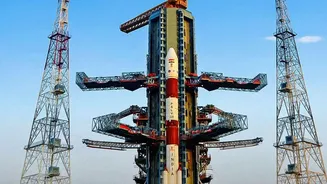
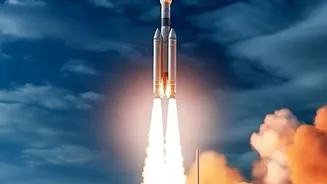
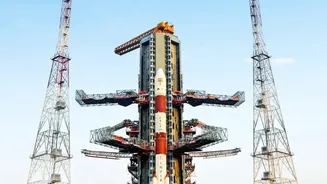
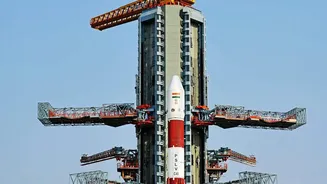
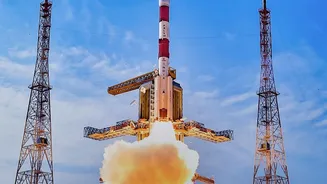
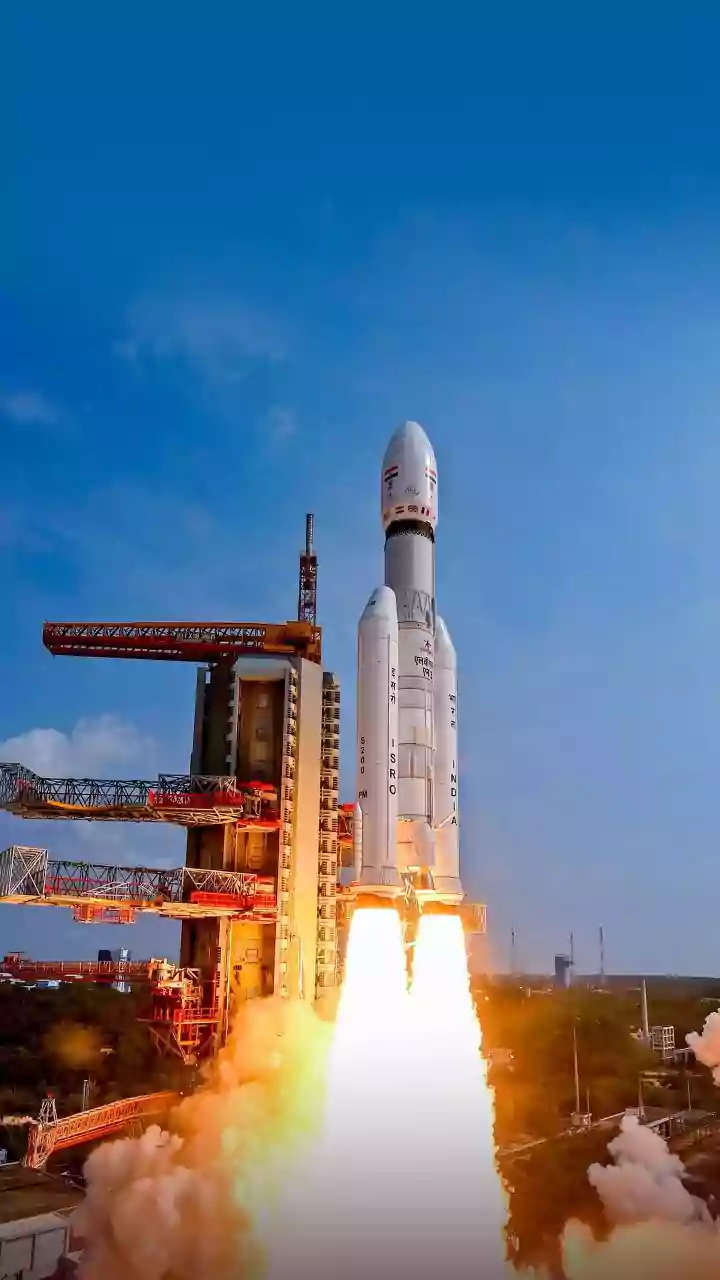
The satellite will be carried to orbit by ISRO's trusted Geosynchronous Satellite Launch Vehicle (GSLV). The GSLV is a three_stage rocket designed to place satellites into geosynchronous transfer orbits. This mission, designated GSLV_F18, will lift off from the Satish Dhawan Space Centre in Sriharikota. After a flight of about 18 minutes, the rocket is expected to inject the NVS_03 satellite into a precise elliptical orbit, from where the satellite will perform its own maneuvers to reach its final geostationary position.
More Than Just Finding Your Way
The implications of a robust NavIC system are vast. For civilians, it means reliable navigation, vehicle tracking, and precise timing for a host of applications. It provides critical information for disaster management and gives alerts to fishermen about weather and potential hazards. Strategically, NavIC is indispensable. It provides the armed forces with secure and encrypted navigation for troop movements, surveillance, and guidance for precision munitions, ensuring India's strategic autonomy without reliance on foreign systems that could be denied in times of conflict.