


As temperatures drop, our instinct is to combat dull, dry winter skin with more products. Yet, this can often lead to irritation. The secret to a healthy winter glow isn't adding more, but strategically simplifying your routine.
Why Winter Weakens Your Skin
Winter weather creates
a perfect storm for skin sensitivity. The combination of cold, low-humidity air outside and dry, circulated heat indoors relentlessly strips moisture from your skin. This process attacks your skin's natural protective barrier—the outermost layer responsible for locking in hydration and keeping irritants out. When this barrier is compromised, it becomes less effective, leading to common winter woes like tightness, flakiness, redness, and increased sensitivity. Conditions like eczema can also flare up as the skin's defenses are lowered. Even products that your skin loves during other seasons might suddenly cause stinging or irritation, a clear sign that your barrier needs support, not stress.
The Problem with Too Many Actives
‘Actives’ are the powerhouse ingredients in skincare designed to target specific concerns: think retinoids for anti-ageing, alpha-hydroxy acids (AHAs) and beta-hydroxy acids (BHAs) for exfoliation, and high-concentration vitamin C for brightening. While highly effective, these ingredients work by accelerating cell turnover or deeply exfoliating the skin. When your skin barrier is already weakened by winter conditions, bombarding it with multiple potent actives can be too much. This can lead to over-exfoliation, stripping the skin of its essential natural oils and worsening the very dryness and irritation you're trying to fix. Dermatologists often recommend scaling back on these harsher ingredients during colder months to give your skin a chance to recover and stay resilient.
Building Your Core Winter Routine
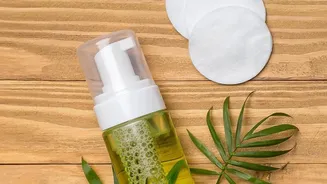
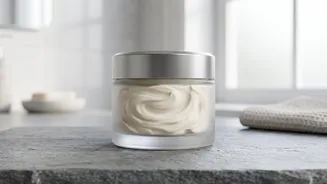
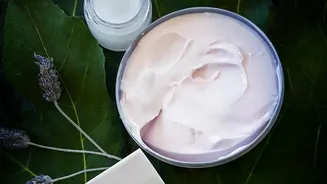
Streamlining your routine means focusing on the non-negotiable fundamentals: cleansing, moisturizing, and protecting. First, switch to a gentle, hydrating cleanser that is creamy and fragrance-free to clean your skin without stripping its natural oils. Avoid hot water, which can further dry out the skin; lukewarm is best. Next, upgrade your moisturizer. Lotions that work in the summer may not be sufficient. Look for thicker creams that come in a tub or jar, as they typically have richer formulas. Key ingredients to look for are humectants like hyaluronic acid and glycerin, which draw moisture into the skin, and barrier-repairing lipids like ceramides and squalane. These ingredients help rebuild the 'mortar' between your skin cells, locking in moisture and reinforcing your skin's protective wall.
How to Safely Use Actives
Simplifying doesn't mean you have to abandon your favorite active ingredients entirely. It's about reducing their frequency and buffering their effects. If you typically use a retinoid or exfoliating acid every night, consider cutting back to two or three times a week. Pay close attention to how your skin responds and adjust accordingly. Another effective technique is 'sandwiching'. This involves applying a layer of moisturizer, waiting for it to absorb, applying your active ingredient, and then sealing it with another layer of moisturizer. This creates a buffer that can reduce potential irritation without completely negating the product's benefits. Winter is generally not the ideal time to introduce a new, potent active into your routine. Instead, focus on consistency with a supportive, hydrating regimen.
Don’t Forget Sunscreen and Listening to Your Skin
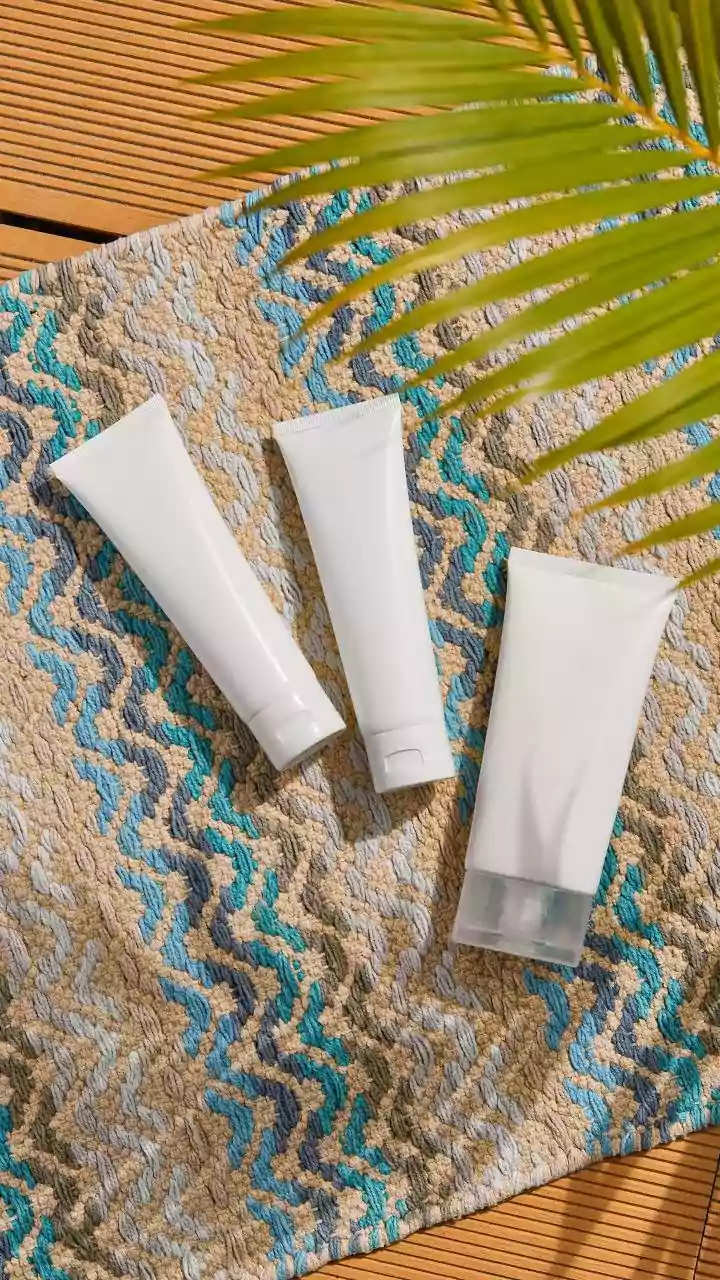
It’s a common myth that sunscreen is only for sunny, summer days. UV rays are present yearround, and reflection from snow can increase your exposure, making daily sun protection crucial even in winter. Opt for a broad spectrum sunscreen with at least SPF 30 every single morning. Ultimately, the most important rule of skincare is to listen to your skin. If you notice persistent redness, itching, stinging, or peeling, it's a sign to dial back. A healthy skin barrier feels comfortable, hydrated, and calm. By streamlining your products and prioritising hydration and protection, you allow your skin to not just survive the winter but thrive.