



The Magic of the 'In-Between' Months
Sweden’s peak tourist season is a short but intense burst from June to August, when long sunny days command the highest prices and attract the biggest crowds. The shoulder seasons—typically May and September—offer a brilliant alternative. In these months,
the weather is often pleasantly mild, with May bringing spring blossoms and September offering crisp air and the first hints of autumn foliage. More importantly for the savvy traveller, the summer crowds have either not yet arrived or have already departed, leading to a more relaxed atmosphere and, crucially, lower demand for accommodation. This translates directly into fairer rates, with potential savings of 20-40% compared to the July and August peak.
Visby: A Fairytale Without the Crowds
No town embodies Sweden's medieval past more than Visby, the UNESCO World Heritage-listed walled town on the island of Gotland. In July and August, its enchanting streets, lined with stone buildings and climbing roses, are packed with visitors. Accommodation must be booked months in advance, and prices are at their absolute highest. Visiting in September, however, is a game-changer. The island 'empties dramatically', yet the weather often remains pleasant, with daytime highs around 17°C. The sea can even be warmer for swimming in September than in June. You get to explore the iconic city wall, ancient church ruins, and winding alleyways in relative peace, experiencing the town as the locals do.
Sigtuna: Where Sweden Began
Just a short journey from Stockholm lies Sigtuna, founded around 980 AD and considered to be Sweden's very first town. Its charming main street, Stora Gatan, is flanked by traditional wooden houses, runestones, and medieval church ruins. Because of its proximity to the capital, Sigtuna can be a busy day trip destination. But in the shoulder months of May or September, the experience is transformed. You can wander along the shores of Lake Mälaren, browse the small shops, and explore the Sigtuna Museum without jostling for space. The quieter atmosphere makes it easier to absorb the thousand years of history that permeate this idyllic town, which feels less like a tourist hotspot and more like a living community.
Southern Charms in Lund and Ystad
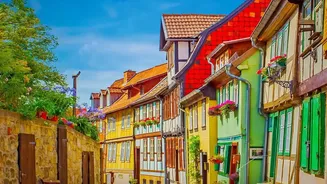
In Sweden's southern region of Skåne, the cities of Lund and Ystad offer their own unique medieval appeal. Lund, one of Sweden's oldest cities, is dominated by its magnificent 12th-century cathedral and prestigious university. Its vibrant student population means it never truly sleeps, but a visit in late spring or early autumn avoids the peak summer tourist wave while still offering a lively atmosphere. Nearby, the coastal town of Ystad, famous as the setting for the 'Wallander' detective series, charms visitors with its half-timbered houses and historic Franciscan monastery. A shoulder-season visit allows for a more peaceful exploration of its cobblestone streets and a chance to enjoy the sea air before the winter chill sets in.
The Practical and Experiential Perks
The term 'fairer rates' is not just about a lower number on your hotel bill; it's about better value all around. During the shoulder season, you may find better availability, giving you more choice in where you stay. Getting a table at a sought-after restaurant is easier, and you'll find more space at key attractions. Beyond the practicalities, the experience itself is different. Travel becomes less about consumption and more about connection. You have the time and space to appreciate the quiet beauty of a church ruin, the warmth of a 'fika' (a Swedish coffee break) in a cosy café, and the genuine feel of a historic town when it's not performing for a crowd. It’s a more sustainable and, for many, a more rewarding way to travel.