

As the warmth of Diwali gives way to the cherished sibling bond of Bhai Dooj, kitchens across India come alive. At the heart of the celebration are sweets, not just as treats, but as expressions of love, often decorated with glistening dry fruits.
More Than Just a Garnish
In Indian
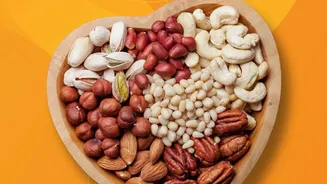
culture, food is steeped in symbolism, and the use of dry fruits is no exception. Historically considered a luxury, nuts like almonds, pistachios, and cashews represent prosperity, wealth, and good fortune. Offering sweets adorned with these is a way of wishing abundance and well-being upon the brother. During the Bhai Dooj ceremony, when a sister performs the 'aarti' and applies 'tilak', the puja thali often includes dry fruits alongside other auspicious items. This gesture deepens the ritual, transforming a simple garnish into a powerful symbol of a sister's prayers for her brother's long and prosperous life.
Practicality in a Festive Kitchen
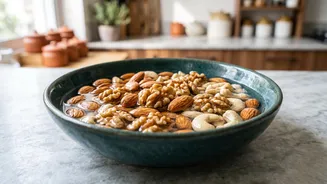
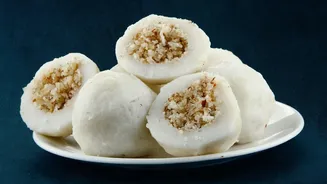
Beyond tradition, there is a very practical reason why home cooks reach for dry fruits. Unlike fresh fruits or delicate cream toppings, dry fruits have a long shelf life and require no refrigeration. This is a significant advantage during the busy festive season when multiple dishes are being prepared. They are easy to store in the pantry, ready to be chopped and sprinkled at a moment's notice. This convenience means a home cook can prepare sweets in advance without worrying about them spoiling. For sweets like Pinni or ladoos that are made to be stored, dry fruits are an essential ingredient that maintains freshness and texture.
A Spoonful of Wellness and Warmth
Bhai Dooj arrives as the season begins to shift, with a distinct chill in the air. Traditionally, many dry fruits are considered 'warming' foods in Ayurveda, believed to help the body generate heat and stay resilient during the colder months. They are nutritional powerhouses, packed with healthy fats, proteins, vitamins, and minerals that boost immunity and provide sustained energy. Almonds are rich in Vitamin E, walnuts contain omega-3 fatty acids, and cashews provide zinc. By incorporating these into sweets, a sister is adding a layer of care and nourishment, a thoughtful gesture that aligns perfectly with her prayers for her brother’s health.
A Feast for the Senses
The perfect sweet is a symphony of flavour and texture, and dry fruits are master conductors. The satisfying crunch of a pistachio or almond sliver offers a delightful contrast to the soft, melting texture of kheer, halwa, or barfi. They add a rich, nutty depth that balances the sweetness of the dessert. Think of the grainy bite of Sohan Halwa or the chewy surprises in a date and nut ladoo. This textural play makes the sweet more interesting and satisfying to eat. The natural sweetness of raisins or chopped figs can also reduce the need for refined sugar, offering a more complex and wholesome flavour profile.
An Artist’s Finishing Touch
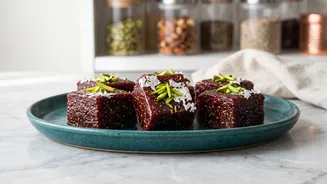
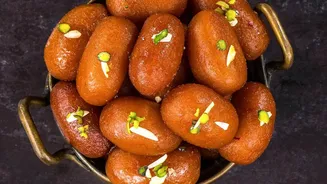
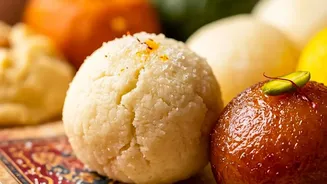
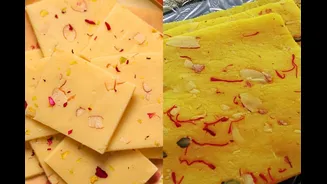
In today’s visual world, a dish has to look as good as it tastes. Dry fruits act as edible jewels, instantly elevating the appearance of homemade sweets. A simple kheer is transformed into a royal dessert with a sprinkle of green pistachios and slivered almonds. A plain barfi becomes a festive centrepiece when decorated with cashew halves and delicate saffron strands. This visual appeal is not just for the family table; it’s for the Instagram posts and WhatsApp photos shared with loved ones. For home cooks who take pride in their creations, dry fruit toppings are the final artistic flourish that says 'this was made with love and care'.