









Start With Why, Where, and When
Before you open a single travel website, take a moment to define the 'why' of your trip. Are you seeking adventure, relaxation, or cultural immersion? Answering this helps narrow your focus. For a first trip from India, consider destinations with easy
visa processes, like Thailand, the UAE, or Malaysia. Once you have a 'why' and a shortlist of potential places, decide on your travel dates and trip duration. Thinking about the 'shoulder season'—the period just before or after the peak tourist season—can often mean lower prices and fewer crowds. This initial filter of purpose, place, and time is your strongest weapon against the paralysis of too many choices.
Set a Realistic Budget First
One of the biggest sources of planning stress is trying to make a trip fit a vague budget. Reverse the process: set a realistic, all-in budget before you start looking at flights and hotels. A comprehensive budget should include estimates for flights, accommodation, visa fees, local transport, food, activities, and travel insurance. For a rough idea, budget trips to nearby countries might cost between ₹40,000 to ₹80,000, while mid-range options could be ₹70,000 to ₹1,50,000. Having a clear number turns endless searching into a simple yes-or-no question against your financial ceiling, immediately making decisions easier.
The Two Pillars: Documents and Insurance
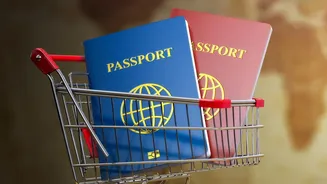
Administrative tasks are the bedrock of a stress-free trip. First, check your passport. Most countries require it to be valid for at least six months beyond your planned return date. If you need to renew, start the process early. Next, research visa requirements for your chosen destination by checking its official embassy website—this is non-negotiable. Some countries offer visa-on-arrival or e-visas for Indian citizens, which can simplify planning significantly. Finally, purchase comprehensive travel insurance. It’s a safety net that covers potential medical emergencies, trip cancellations, or lost baggage, and is mandatory for many destinations.
Book Major Travel Smartly
With your destination, dates, and documents in order, it's time to book flights and your first few nights of accommodation. Booking these main components provides structure and is often required for visa applications. Use flight comparison tools like Google Flights or Skyscanner to track prices, but don't obsess over finding the absolute rock-bottom fare; the mental energy isn't worth minor savings. Booking a few months in advance is generally a good strategy. For accommodation, read recent reviews and consider options with flexible cancellation policies, which gives you breathing room if plans need to shift.
Plan a Loose Itinerary, Not a Strict Schedule
Information overload often stems from the pressure to see and do everything. The most common mistake first-time travellers make is cramming too much into their itinerary. Instead of a minute-by-minute schedule, create a flexible framework. Identify a few 'must-do' activities and pre-book those if necessary. For the rest of your time, group potential sights by neighbourhood and leave room for spontaneity. Some of the best travel memories come from unplanned discoveries, like stumbling upon a local market or a hidden cafe. An itinerary should be a guide, not a script.
Prepare for Arrival and Practicalities
The final stage is about ensuring a smooth arrival. Arrange your foreign currency by getting a forex card and a small amount of cash. Inform your bank of your travel dates to prevent your cards from being blocked. It's also wise to get an international SIM or eSIM to stay connected without facing huge roaming charges. Finally, make digital and physical copies of all your important documents—passport, visa, insurance, and flight confirmations—and keep them separate from the originals. Knowing these practical details are sorted will let you step on the plane feeling prepared and excited.