






The Urban Gardener's Rainwater Problem
For apartment dwellers, a balcony garden is a source of joy and greenery. But this small slice of nature is uniquely exposed to the elements. Unlike a traditional garden where the ground absorbs excess water, a balcony is a contained space. During a downpour,
planters can become oversaturated in minutes. This leads to a host of problems, chief among them being root rot, a fungal condition caused by waterlogged soil that suffocates and kills plant roots. Beyond plant health, excessive rainwater can wash away precious soil and nutrients, create a muddy mess on your balcony floor, and even overflow onto neighbors below.
Introducing Modular Rain Barriers
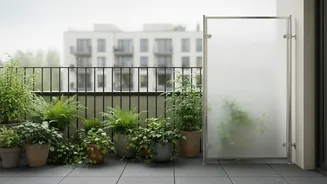
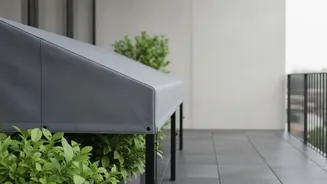
While the term might sound technical, a modular rain barrier is a straightforward concept: a customizable system designed to deflect excessive rainfall away from your planters. Think of it not as a permanent wall, but as an adjustable shield you can deploy when needed. These systems often consist of lightweight, weather-resistant panels, covers, or screens that can be easily attached to balcony railings, walls, or the planters themselves. Their modularity is key, allowing you to reconfigure, add, or remove sections to suit different plant sizes and changing weather patterns. Some commercially available planter covers are even designed with reservoirs on top that catch and slowly drip water, providing a gentle watering system instead of a deluge.
How Barriers Keep Roots Safe
The primary benefit of a rain barrier is preventing the soil in your containers from becoming completely waterlogged. Roots need access to both water and oxygen to thrive. When soil is saturated, the air pockets disappear, effectively drowning the roots and creating an ideal environment for rot-causing fungi. By physically blocking a significant portion of a heavy downpour, a barrier ensures that the soil receives a healthy amount of water without becoming an anaerobic swamp. This protection is crucial for plants that are particularly sensitive to overwatering, such as succulents, herbs, and many vegetables. The result is a stronger, more resilient root system capable of withstanding fluctuating weather.
Maintaining a Drain-Ready Balcony
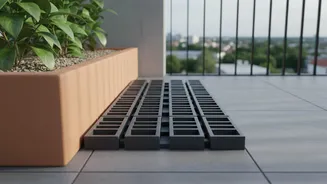
Effective water management on a balcony is about more than just protecting plants; it's about controlling where the water goes. Rain barriers play a crucial role in directing water flow. Instead of every planter being inundated, the barriers can channel the bulk of the runoff towards the balcony's designated drainage points. This keeps your space cleaner and safer, preventing large puddles from forming. For this to work effectively, your balcony's own drainage must be clear of leaves and debris. Using barriers in combination with other best practices—like ensuring every pot has drainage holes, using well-draining soil, and elevating planters off the floor—creates a comprehensive system that keeps your garden thriving and your balcony floor dry.
Choosing the Right Solution
You can find rain protection solutions ranging from simple DIY setups to sophisticated modular systems. If you're buying a system, look for durable, UV-resistant materials like powder-coated aluminum or high-grade composites that won't degrade in the sun and wind. Adjustable clamps and mounting hardware are essential for fitting non-standard balcony railings. For a DIY approach, a temporary canopy or angled panels made from corrugated plastic can be effective. The goal is not to hermetically seal your plants, but to provide a buffer during the heaviest storms. Consider how easily the system can be put in place and taken down, as you'll want to allow for light rain and sun to reach your plants on better days.