





More Than Just a Weekend Away
This isn't your typical weekend trip. A micro-retreat, or micro-cation, is a short, intentional getaway lasting anywhere from one to four days. What distinguishes it from simply leaving town is its clear purpose: a concentrated dose of restoration. Instead
of a frantic attempt to see every sight, the goal is to achieve a specific wellness objective, whether that's a digital detox, a creative reset, or immersing oneself in nature. Think of it as a strategic pause button on a fast-paced life, designed to deliver the psychological benefits of a long holiday in a fraction of the time. These trips are deliberately planned for maximum impact, ensuring travelers return feeling genuinely recharged rather than more exhausted.
A Direct Response to Burnout
The driving force behind this trend is a familiar modern ailment: burnout. Studies show that Gen Z and millennials experience high rates of stress and anxiety, often feeling overwhelmed by demanding work cultures and constant connectivity. For this generation, travel is less a luxury and more of a vital coping mechanism. In fact, the impulse to book a trip in response to overwhelming stress has been dubbed "rage booking." The traditional two-week holiday can feel unattainable due to packed schedules, limited paid time off, and the fear of returning to an avalanche of work. Micro-retreats offer a practical solution, providing frequent, accessible opportunities to disconnect and recover throughout the year.
The Anatomy of a 48-Hour Reset
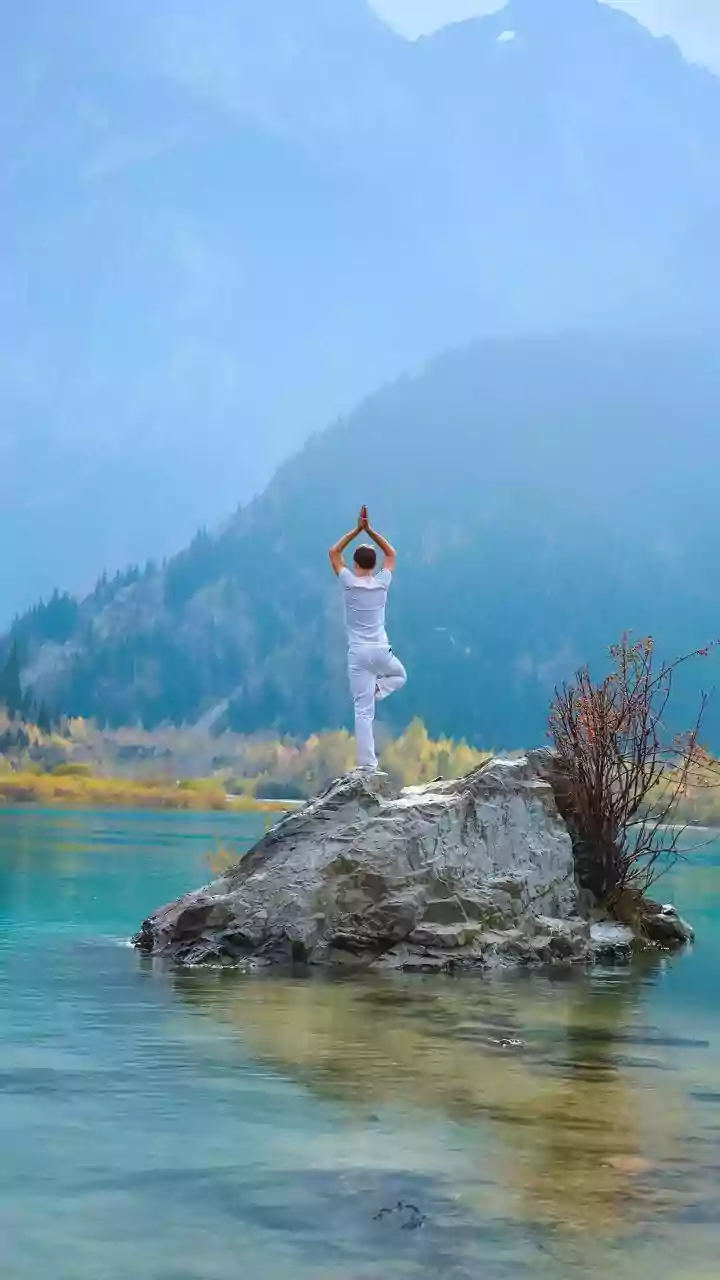
So, what does a wellness micro-retreat actually look like? It's about trading wild nights for holistic wellness. Activities are centered on genuine self-care and restoration. Many trips are built around digital detoxes, where screen time is replaced with journaling, hiking, or meditation. Others focus on physical wellness through yoga sessions, cold plunges, and farm-to-table meals. There is also a growing interest in "sober tourism," where travelers opt for alcohol-free experiences to prioritize their mental and physical health, while also saving money. The emphasis is on high-quality rest and grounding activities in nature, which is seen as a powerful tool for disconnecting and finding mental clarity. It is about investing in one's well-being, viewing it as a necessity rather than an indulgence.
The New Economics of Modern Travel
This trend is also shaped by a pragmatic approach to finances and values. Gen Z consistently prioritizes spending on experiences and travel over acquiring traditional consumer goods. Despite being highly value-focused, with price being a major factor in their decisions, they are willing to spend more on travel than previous generations at similar income levels. Micro-retreats align perfectly with this mindset. They are more affordable than long-haul vacations, allowing for multiple trips per year instead of just one. This frequency makes taking time off less daunting, as a short break doesn't require extensive planning or create the guilt sometimes associated with using a large chunk of vacation time.
How the Travel Industry Is Responding
The travel and hospitality industries are taking note and adapting to this powerful generational shift. Hotels and resorts are moving beyond standard amenities to offer curated wellness packages designed for short stays. These might include everything from cliffside yoga and guided mindfulness sessions to spas and healthy meal plans. Tour operators are creating dedicated short-break adventures that cater to this demand for quick, immersive experiences. Marketing is also evolving, with brands learning that highlighting authentic local experiences and opportunities for genuine disconnection is more effective than promoting generic luxury. This trend is proving to be a significant force, prompting the industry to rethink how it packages and sells weekend travel.