




Built for the Indian Climate
Many popular ornamental plants sold in nurseries are non-native, meaning they didn't evolve in our local conditions. This makes them fragile and demanding. Native plants, on the other hand, have spent thousands of years adapting to India's diverse climates.
They are naturally equipped to handle everything from scorching summer heatwaves and dry spells to heavy monsoon rains. Because they are already suited to the local environment, they are more resilient and require less intervention to simply survive, letting them flourish where other plants might struggle.
The Low-Maintenance Advantage
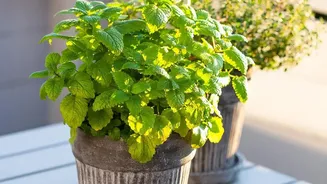
The single greatest benefit for a busy urban gardener is a dramatic reduction in maintenance. Native species, once established, typically require significantly less water than their exotic counterparts. Their deep root systems are better at seeking and retaining moisture, which helps conserve water and lowers your water bill. Furthermore, they have a natural resistance to local pests and diseases, which greatly reduces the need for chemical pesticides and fertilisers. Plants like Tulsi, for instance, are known for their pest-repellent properties. This means less time spent battling bugs and more time enjoying your green space.
A Haven for Local Wildlife
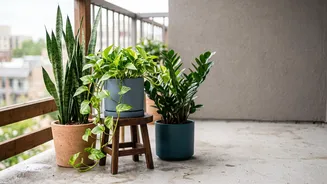
A balcony filled with native plants is more than just a pretty view; it's a vital ecological pitstop. These plants provide essential food and shelter for native bees, butterflies, birds, and other beneficial insects. As cities expand, these small green patches become crucial stepping stones for pollinators navigating a concrete jungle. Flowers like hibiscus and jasmine attract a variety of insects and nectar-feeding birds. By planting native species, you are actively helping to restore a small piece of the local ecosystem, creating a mini-habitat that supports the region's biodiversity.
Easy-to-Grow Native Choices for Your Balcony
Getting started is simpler than you think, as many beloved Indian plants are perfect for pots. Tulsi (Holy Basil) is a great choice for small pots, thriving in sunlight and acting as a natural air purifier. For fragrant blooms, consider Mogra (Jasmine), which can be grown on a trellis. If you want vibrant colour, Hibiscus (Gudhal) is a low-maintenance magnet for butterflies. For the kitchen, the Curry Leaf plant (Kadi Patta) is an essential that grows with minimal fuss in a medium-sized pot. Marigolds (Genda) not only add a splash of orange but also help deter pests from neighbouring plants.
Finding Your Native Plants
While large commercial nurseries often focus on popular exotic hybrids, finding native plants is becoming easier. Start with your local neighbourhood nursery and specifically ask for 'desi' varieties of common plants. Community-run plant sales and government nurseries are often excellent sources for saplings of indigenous trees and shrubs at very low prices. Online platforms and specialized nurseries dedicated to native species are also emerging, responding to a growing awareness of their benefits. Engaging with local gardening groups online can also provide great leads on where to source these resilient local gems.