




The Science Behind Protein Power
The 'protein-first' strategy is a simple but powerful tool for managing festive indulgence. Protein is the most satiating macronutrient, meaning it helps you feel fuller for longer. When you start your meal with protein-rich foods, you trigger the release
of hormones that signal fullness to your brain, such as GLP-1. This naturally reduces your appetite, making you less likely to overeat the more calorie-dense carbohydrates and sweets later in the meal. Furthermore, protein has a higher thermic effect of food (TEF), meaning your body uses more energy to digest it compared to fats and carbs. This method also helps to slow down the absorption of sugar from the rest of the meal, preventing sharp spikes and crashes in your blood sugar and energy levels.
Your Festive Protein Checklist
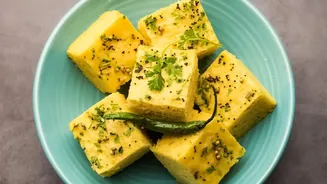
Indian festive cuisine is brimming with delicious, high-protein options that often get overshadowed by fried snacks and sweets. By focusing on these first, you can build a satisfying and balanced plate. For vegetarians, paneer is a versatile star; think Paneer Tikka, Palak Paneer, or Mattar Paneer. Lentils and legumes are also excellent choices, so look for dishes like Dal Makhani, Chana Masala, or Rajma. For non-vegetarians, the options are plentiful. Tandoori chicken, fish tikka, mutton kebabs, and chicken or fish curries are all fantastic protein sources that form the centrepiece of many festive meals. Even snacks like a handful of almonds can provide a quick protein boost before a large meal to curb initial hunger.
Building Your Plate Strategically
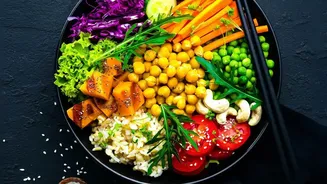
Putting this strategy into practice at a buffet or family dinner is straightforward. When you approach the food, consciously fill your plate in a specific order. Start by loading up on your chosen protein sources. Dedicate the first few minutes of your meal to enjoying these dishes. Next, add a generous portion of fibre from salads and cooked vegetables (sabzis). This combination of protein and fibre will significantly enhance feelings of fullness. Only after you have consumed a good portion of these should you move on to the carbohydrates like roti, naan, or rice. Finally, if you still have room and the desire, you can enjoy a small portion of the festive sweets or desserts. This mindful ordering helps you enjoy everything on offer but in more balanced quantities.
Beyond the Protein-First Rule
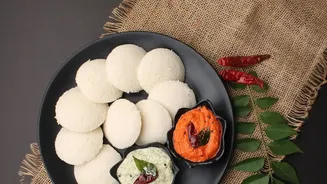
While prioritising protein is an effective strategy, a few other habits can complement your efforts and support your well-being throughout the festive season. Staying hydrated is key; drinking a glass of water before a meal can help manage hunger. Pay attention to liquid calories from sugary sherbets and aerated drinks, opting for water, buttermilk (chaas), or coconut water instead. Where possible, choose baked, grilled, or steamed options over deep-fried ones. Most importantly, practice mindful eating. Chew slowly, savour the flavours, and listen to your body's hunger and fullness cues. Festivals are meant to be enjoyed, not endured with a sense of deprivation.