




The Romance of the Rails Meets the Wild
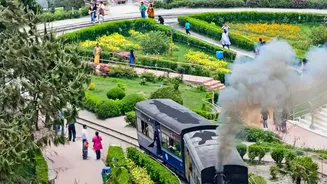
There’s a certain magic to an overnight train journey in India. The gentle rocking, the distant calls of vendors, and the ever-changing landscape rolling past the window are experiences woven into the fabric of Indian life. For decades, this has been
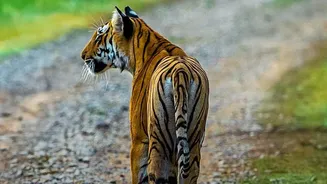
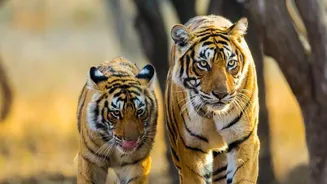
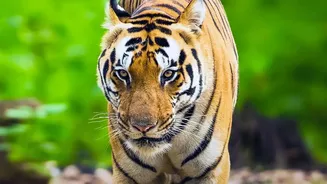
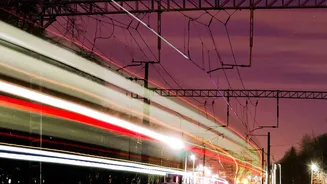
the most democratic and atmospheric way to traverse the subcontinent. Now, this very network is becoming the backbone of a new kind of adventure: the rail safari. Instead of expensive flights and private cars, travelers are rediscovering the charm of waking up in a new town, just a short ride away from the gates of India’s most iconic national parks. This shift isn't just about nostalgia; it’s a practical, sustainable, and deeply enriching way to connect with the country's famed wildlife.
Connecting Hubs to Habitats
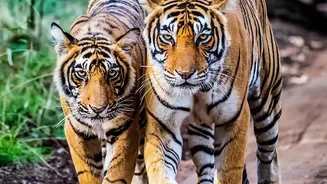
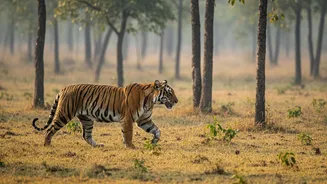
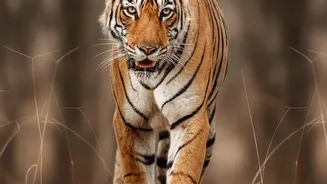
The strength of this transformation lies in the strategic location of key railway stations. Ranthambore National Park, one of India's most famous tiger reserves, is served by Sawai Madhopur railway station, a major stop on the busy Delhi-Mumbai line just 14 kilometres from the park. Similarly, to reach the legendary Jim Corbett National Park, travelers can take an overnight train like the Ranikhet Express from Delhi directly to Ramnagar, which is merely 12 kilometres from the park's entrance. For those venturing into Madhya Pradesh, the heart of tiger country, Umaria station is the gateway to Bandhavgarh National Park (35 km away), while Katni station also provides excellent connectivity from major cities across India. This seamless connection between urban centres and wilderness zones is removing a major barrier to entry for aspiring wildlife enthusiasts.
An Adventure That's Light on the Wallet
Perhaps the most significant driver of this trend is affordability. While the headline mentions 'budget rail passes', the reality is that the Indian Railways' standard fare structure is inherently budget-friendly. A sleeper class or even an AC 3-tier ticket for an overnight journey often costs a fraction of a domestic flight. This cost-saving is dramatic, allowing a family or a group of friends to allocate more of their budget towards quality accommodation and more safari drives, increasing their chances of wildlife sightings. While specific tourist passes like the Indrail Pass exist, they are primarily aimed at foreign nationals. For the vast majority of Indian travelers, the transformation is being powered by the simple economics of choosing the train over other, more expensive modes of transport. This makes the dream of seeing a tiger in the wild a viable option for a much broader section of the population.
More Than Just A to B
Opting for a train journey is about more than just saving money. It is a more sustainable and conscious way to travel, significantly reducing the carbon footprint compared to flying. The journey itself becomes part of the adventure. You share stories with fellow passengers, sample regional delicacies at stations, and watch the landscape morph from urban sprawl to rural tranquility, building anticipation for the wilderness ahead. Recent initiatives are making this even more experiential. In Uttar Pradesh, a Vistadome train with glass ceilings now runs a 'jungle safari' route between Katarniaghat Wildlife Sanctuary and Dudhwa Tiger Reserve, offering panoramic forest views. Furthermore, a new partnership between IRCTC and the Maharashtra Forest Department promises integrated packages covering train travel, accommodation, and guaranteed safari permits for parks like Tadoba and Pench, simplifying the entire process.
Planning Your Rail Safari Adventure
Embarking on your own rail safari is straightforward. The first step is booking your train tickets well in advance via the IRCTC website or app, especially during peak seasons. Remember to coordinate your train's arrival time with your hotel check-in and safari schedules. Most safari lodges near major railheads are familiar with train timings and can arrange for a taxi or auto-rickshaw pickup from the station. Booking an overnight train is often the most efficient option; you save on a night's accommodation and wake up refreshed and ready for your jungle adventure. With Indian Railways set to roll out an upgraded reservation system, the booking process is expected to become even quicker and more efficient for passengers.