



Greek Yoghurt: The Protein-Packed Global Import
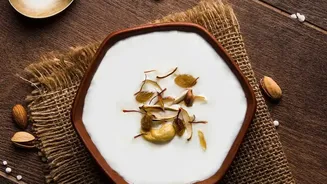
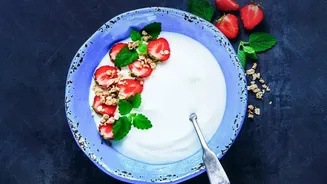
Not long ago, Greek yoghurt was a niche item found only in premium supermarkets in major metro cities. Today, it is a fixture in the dairy aisle across the country. Its popularity is a direct reflection of a global wellness trend that has found fervent
followers in India: the focus on protein. Unlike traditional dahi, Greek yoghurt is strained to remove most of its whey, resulting in a thicker, creamier product with two to three times the protein content. This high-protein, low-carb profile has made it a favourite among fitness enthusiasts, health-conscious urban professionals, and anyone looking for a filling, convenient snack or meal component. The success of brands that championed this high-protein message has paved the way for larger dairy players to enter the market, making it more accessible and affordable than ever. Its rise shows an Indian consumer who is globally connected and willing to adopt international food trends that fit a modern, health-oriented lifestyle.
Makhana: The Rebranded Traditional Snack
If Greek yoghurt represents the adoption of a global trend, the resurgence of makhana (fox nuts) signifies the opposite: a turning inward to rediscover and elevate our own traditions. For generations, makhana was a humble, almost forgotten food, primarily consumed during religious fasts. Today, it has been transformed into a mainstream 'superfood' snack, available in a dozen gourmet flavours from peri-peri to caramel. This glow-up is a masterclass in rebranding. Makhana is naturally low in calories, gluten-free, and rich in protein and minerals, making it a perfect, guilt-free alternative to fried chips and other processed snacks. As Indian consumers increasingly look for 'clean labels' and snacks that offer nutritional benefits, makhana fits the bill perfectly. Its journey from local ponds to premium e-commerce shelves tells a story of renewed pride in indigenous ingredients and the marketing savvy to position them for a new generation.
Millets: The Climate-Smart Ancient Grains
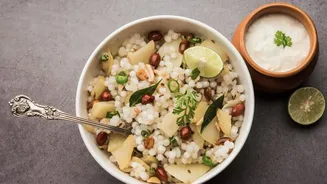
The comeback of millets like jowar, bajra, and ragi is perhaps the most significant trend of the three, backed by both a wellness push and a strong governmental focus. For centuries, these ancient grains were staples across India before being sidelined by the agricultural emphasis on rice and wheat. Now, they are being celebrated for their impressive health credentials and environmental benefits. Millets are naturally gluten-free, have a low glycemic index (making them ideal for diabetics), and are rich in fibre and micronutrients. From a sustainability perspective, they are a farmer's friend: hardy crops that require less water and can grow in poor soil, making them climate-resilient. While household consumption has seen a long-term decline, a concerted effort from the government, including the 'International Year of Millets', and innovation in the food industry have led to a new wave of millet-based products—from breakfast cereals and dosa mixes to cookies and pasta—that are making them palatable and convenient for urban consumers.
A New Indian Food Identity
So, what does the simultaneous rise of a foreign dairy product, a rebranded local seed, and a revived ancient grain tell us? It points to the evolution of a new Indian consumer identity. This consumer is health-conscious, increasingly concerned with lifestyle diseases, and actively seeking out foods that offer functional benefits like high protein or better blood sugar management. They are globally aware and influenced by international wellness trends, but also curious and proud of their own culinary heritage. Crucially, they value convenience. The success of all three items has been fuelled by their availability in ready-to-eat or easy-to-prepare formats. This fusion of health, heritage, and convenience is shaping the modern Indian plate. It reflects a confident consumer who is not just a passive recipient of trends but an active participant, curating a diet that is both globally informed and uniquely Indian.