








Why Your Primary Card Isn't Enough
You arrive at your dream destination, head to a local café, and tap your card to pay. Declined. It’s a stressful scenario that plays out more often than you might think. The most common culprit is an automatic fraud alert; your bank sees a transaction
in a new country and freezes the card as a precaution. Even if you've filed a travel notice, algorithms can be overly cautious. Other issues are just as common: the merchant might not accept your card's network (for example, some smaller shops don't take American Express), your physical card could be damaged or demagnetized, or you might hit an unexpected daily spending limit. In a worst-case scenario, your card could be lost, stolen, or swallowed by a foreign ATM, leaving you stranded without access to funds. These potential points of failure make a single card a risky proposition for any trip.
Building Your Resilient Payment Portfolio
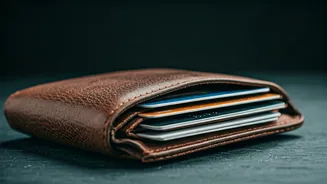
The solution is diversification. A smart travel wallet contains multiple ways to pay, ensuring you’re covered for any situation. The ideal setup includes at least two credit cards from different payment networks, like a Visa and a Mastercard. This dramatically increases your chances of acceptance. Both cards should have low or no foreign transaction fees, which typically run about 3% per purchase. Next, add a debit card specifically for ATM withdrawals. While it's wise to use credit cards for most purchases due to better fraud protection, a debit card is essential for accessing local currency. Finally, supplement your cards with a backup debit card from a different bank. If one is lost or blocked, you won't be cut off from cash. Store these cards separately; keep your primary cards on your person and the backups locked in your hotel safe.
The Role of Digital Wallets
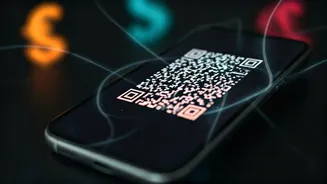
Mobile payment apps like Google Pay and Apple Pay have become powerful travel tools. They add a layer of security by using tokenization, which means your actual card number is never shared with the merchant. This makes them a safer option for transactions. If you lose your physical wallet, having your cards loaded into a digital wallet can be a lifesaver, allowing you to continue making payments with your phone. Acceptance is widespread and growing in major cities and tourist areas across Europe, Asia, and North America. However, they aren't a complete solution. You’ll still need physical cards for smaller towns, older payment terminals, or situations where your phone battery dies. Always set up your digital wallet and link your cards before you leave home to ensure everything is working correctly.
Cash Is Still King for Emergencies
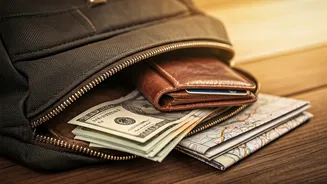
In our tap-to-pay world, it's easy to forget about cash, but it remains a non-negotiable part of any travel backup plan. Many small businesses, street vendors, and taxis still operate on a cash-only basis. In some countries, tipping service staff in cash is the preferred custom. Cash is also the ultimate fallback during a power outage or tech issue when card readers and ATMs go down. It’s wise to arrive in a new country with a small amount of local currency for immediate expenses like a taxi from the airport or a quick snack. While you can withdraw money from a local ATM, carrying some cash you exchanged before your trip avoids the stress of finding a working machine upon arrival and can help you dodge high airport exchange fees.
Your Pre-Travel Financial Checklist
Before you zip up your suitcase, run through a final financial checklist. First, notify your banks and credit card companies of your travel dates and destinations to reduce the odds of a fraud alert. Many issuers allow you to do this easily through their mobile app. Check the expiration dates on all cards you plan to bring. Know the PINs for both your credit and debit cards, as some international terminals require them even for credit purchases. Finally, save the international customer service numbers for your banks somewhere offline, like in a note on your phone or written down, in case you need to report a lost card.