





Beyond Postcard Perfection
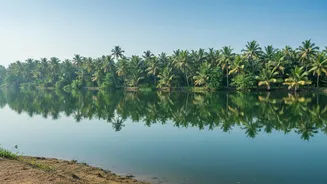
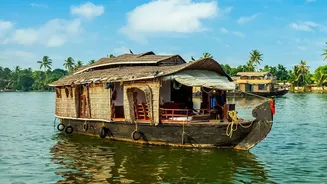
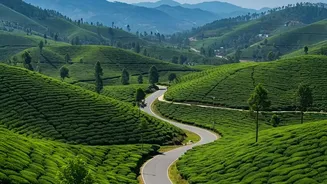
When we think of a premier tourist destination, we picture pristine beaches, serene backwaters, and lush green hills. But behind the glossy brochures, a different reality often exists—one of overflowing bins, plastic-strewn landscapes, and strained local
infrastructure. The tourism industry's success can be its own undoing if not managed sustainably. Kerala, long celebrated as 'God's Own Country', has recognised this challenge head-on. The state is pioneering a philosophy where the tourist experience is not separate from the well-being of the local community and environment. This approach understands that true destination appeal isn't just about isolated beauty spots; it's about the cleanliness and health of the entire region, from city streets to village lanes.
A Campaign for a Garbage-Free State
At the heart of this strategy is the ambitious 'Malinya Muktham Nava Keralam' (Garbage-Free New Kerala) campaign. This statewide initiative aims to make Kerala completely garbage-free by March 2025 through systematic waste management and public participation. Crucially, the tourism sector is not an afterthought but a central focus of this mission. The government is designating key tourist spots as 'Green Tourism Destinations', which must adhere to strict protocols for sustainable waste management, hygiene, and environmental conservation. This initiative transforms popular attractions into models of eco-friendly stewardship, ensuring their natural beauty is preserved for the long term.
From Policy to Pavement
Making a state garbage-free requires more than just slogans; it demands a ground-up operational plan. Kerala's model is built on decentralisation and community involvement. The 'Haritha Karma Sena' (Green Action Force), a grassroots army primarily composed of women, is a cornerstone of this effort. These trained professionals go door-to-door to collect segregated non-biodegradable waste, ensuring it enters the recycling chain instead of ending up in landfills or waterways. This not only keeps communities clean but also creates dignified livelihoods. Furthermore, the state has recently launched a 'Green Marshal' initiative in major tourist hubs like Munnar, Alappuzha, and Fort Kochi. These marshals work to enforce green protocols, guide tourists on responsible travel, and shift the focus from reactive cleanup to proactive care, creating a welcoming and clean environment for visitors.
Enhancing the Tourist Experience
For a traveller, the impact of these efforts is profound. A clean destination is inherently more attractive, safe, and enjoyable. It means swimming at a beach without plastic washing ashore, trekking through hills not littered with snack wrappers, and exploring heritage sites that are respectfully maintained. The Green Marshals also serve as friendly guides, connecting visitors with local eco-friendly businesses and cultural experiences, thereby enriching their trip. By investing in fundamental cleanliness and hygiene, Kerala is elevating the quality of its tourism product. This signals to both domestic and international travellers that it is a destination that cares not just for their business, but for their health and the integrity of the environment they have come to see.
A Sustainable Model for India
Kerala's integrated approach serves as a powerful case study for other states across India. It demonstrates that economic growth from tourism does not have to come at the cost of environmental degradation and public health. By linking the goals of the Swachh Bharat Mission with its tourism strategy, the state has created a symbiotic relationship where a cleaner environment boosts tourism, and a thriving tourism sector helps fund and prioritise sustainable practices. The model, which empowers local bodies and community groups like the Haritha Karma Sena, proves that sustainable change is most effective when it is driven from the ground up. It reframes cleanliness not as a chore, but as an essential investment in a state's economic and social future.