




A New Climate of Threat
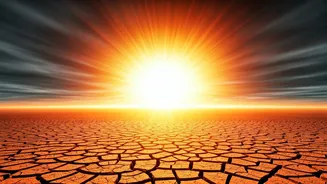
When we think of threats to ancient monuments, we might picture the slow wear of time or the impact of tourism. Today, however, the danger is far more aggressive and unpredictable. Extreme weather—once a rare occurrence—is now a recurring menace. Intense
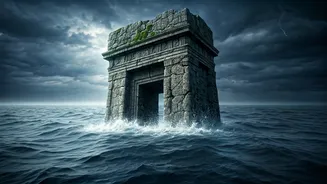
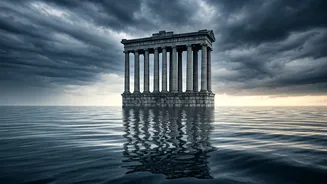
rainfall, prolonged heatwaves, powerful cyclones, and rising sea levels are creating a perfect storm of destruction for sites that have stood for centuries. This isn't a hypothetical future problem; UNESCO has warned that a significant portion of World Heritage sites are already threatened by climate change, with recent years seeing damage from wildfires, floods, and storms accelerate globally. For India, a country with 43 UNESCO World Heritage Sites and thousands of other protected monuments, this has ushered in an era of high alert.
India's Icons on the Frontline
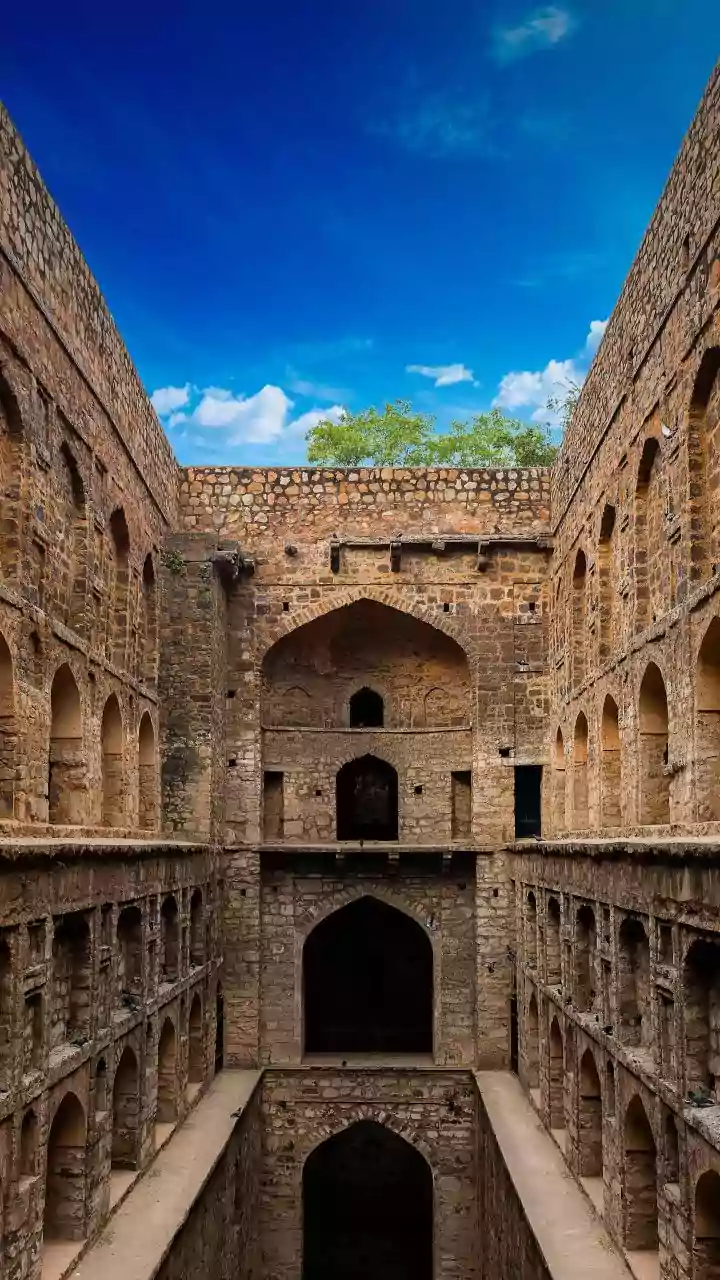
The impact is being felt across the length and breadth of the country. Along the coast, monuments face a dual threat. The iconic Sun Temple at Konark and the Shore Temple at Mahabalipuram are being eroded by salt-laden winds and are at risk from rising sea levels and more frequent cyclones. The historic churches and convents of Goa, located in low-lying areas, are increasingly vulnerable to flooding from heavy rainfall and a swelling river. In the Himalayas, erratic rainfall and melting glaciers threaten ancient monasteries like the 11th-century Tabo Monastery in Spiti Valley, where water seepage is already damaging priceless murals. Even inland, the story is grim. The Taj Mahal has suffered damage from heavy rains, while forts in Rajasthan have seen walls collapse after unprecedented downpours in arid regions. The delicate carvings of Khajuraho and the ancient murals of the Ajanta Caves are at risk from increased humidity, which encourages the growth of moss and algae.
The Science of Decay
Climate change accelerates the natural process of decay in several ways. Extreme heat causes stone to expand and contract, leading to micro-cracks and structural weakness, a process known as thermoclastism. Increased rainfall not only causes waterlogging and foundational damage but, when combined with air pollution, creates acid rain that corrodes surfaces, visibly yellowing the marble of monuments like the Taj Mahal. For structures made of mud-brick or wood, the effects are even more direct, with moisture leading to rot and decay. Coastal sites suffer from salt crystallisation, where saline water seeps into porous stone and then evaporates, leaving behind destructive salt crystals that cause the material to crumble from within. These compounding factors mean that preservation is no longer just about routine maintenance; it's about battling a hostile environment.
The Race to Adapt
In response, heritage management is shifting from preservation to proactive adaptation. The Archaeological Survey of India (ASI) is adopting climate-resilient solutions, including scientific treatments and structural consolidation of monuments. In some cases, automated weather stations are being installed at sites like the Taj Mahal to monitor environmental conditions in real-time. Globally, the approach involves a mix of traditional knowledge and modern technology. This can range from constructing protective shelters, like those built over the Megalithic Temples of Malta, to improving drainage systems and even undertaking managed retreat or relocation of smaller structures. However, these interventions are complex and costly. There's also a philosophical debate: how much can you alter a historic site to protect it before you compromise its authenticity? Experts recognise that it may not be possible to save everything, forcing hard choices about what to preserve and what to let go.