





The Anatomy of a Winter Classic
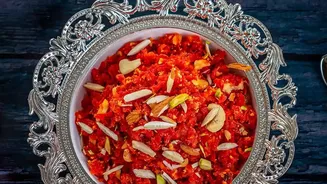
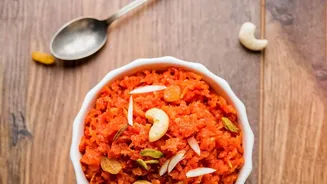
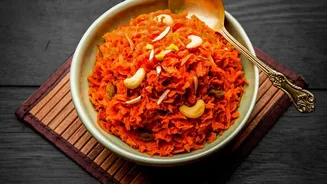
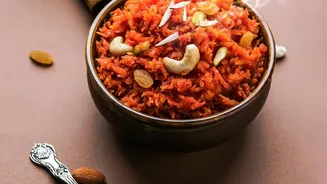
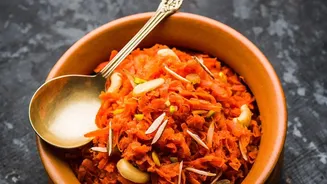
Gajar ka halwa, also known as gajrela, is a quintessential North Indian dessert, synonymous with the winter season. The traditional method involves slow-cooking grated carrots with milk, ghee, and sugar until the mixture becomes rich, dense, and aromatic.
This patient process allows the carrots to soften and absorb the creamy milk, creating a texture that is both comforting and indulgent. Garnished with nuts like almonds and pistachios, it's a dish that signifies warmth and celebration in Indian households during the colder months. The recipe's magic lies in its simplicity, transforming a humble root vegetable into a decadent treat.
The Case for Red 'Delhi' Carrots
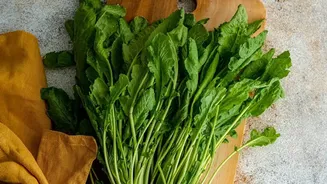
The long, vibrant red carrots, often called 'Delhi carrots', are the star of the show for a reason. Available only during the winter months, these indigenous varieties are prized for their unique characteristics. They are naturally sweeter and juicier than their orange counterparts, which means you often need less added sugar for your halwa. Their distinct colour comes from lycopene, the same antioxidant found in tomatoes, which gives the final dish its iconic deep-red hue. Some sources also suggest they have a lower water content, which can reduce cooking time as the milk evaporates more efficiently. This combination of inherent sweetness, tenderness, and striking colour is why many chefs and home cooks swear by them for the most authentic flavour and appearance.
Can You Use Orange Carrots?
Absolutely. While red carrots are the traditional choice, you can certainly make a delicious halwa with the orange carrots available year-round. However, you'll need to make a few adjustments. Since orange carrots are generally less sweet, you may need to increase the amount of sugar slightly to achieve the desired taste. They also tend to have a higher water content, so some cooks recommend grating them and squeezing out the excess moisture before cooking to prevent a watery halwa and shorten the cooking time. While the flavour will be slightly different and the colour less intense, using orange carrots means you can enjoy this dessert any time of the year. The key is to be patient with the cooking process, allowing the milk to fully reduce and the flavours to concentrate.
The Science of a Perfect Halwa
Regardless of the carrot you choose, the technique remains crucial. The magic happens during the slow, patient simmering. Cooking on low to medium heat is non-negotiable; high heat can scorch the milk and make the sugar caramelize unevenly, resulting in bitter notes. Using full-fat milk is essential for creating the creamy texture and rich milk solids (khoya) that define a great halwa. Another critical tip is to add the sugar only after the carrots are fully cooked and the milk has been absorbed. Adding sugar too early draws water out of the carrots, which can prevent them from becoming tender and result in a chewy texture.
Beyond the Carrot: Essential Elements
While the carrot is the hero, other ingredients play vital supporting roles. Ghee is considered the soul of the dish, providing an unmatched richness, aroma, and glossy finish that cannot be replicated with oil. Even a small amount can elevate the flavour significantly. Cardamom powder adds a warm, fragrant spice that complements the sweetness of the carrots perfectly. Finally, a generous garnish of chopped nuts like almonds, pistachios, and cashews adds a delightful crunch and textural contrast to the soft, luscious pudding. These elements work in harmony to create the complex and satisfying dessert that is so beloved.