






The High Cost of Constant Interruptions
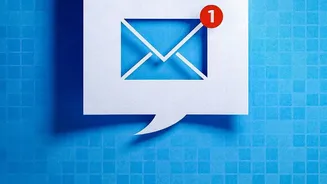
Email overload is a primary source of workplace stress for a majority of professionals. Studies have shown that the average office worker receives over 120 emails daily, creating a continuous stream of demands. This isn't just a time management problem;
it's a significant contributor to mental and emotional exhaustion. Each notification, however small, fractures our attention. Research in cognitive psychology reveals that it can take several minutes to regain full concentration after an interruption, preventing the brain from entering a state of deep work and leading to mental fatigue. The constant pressure to be available and responsive creates what is known as 'telepressure', an urge to reply quickly that contributes to burnout. This state of continuous partial attention, where we are always anticipating the next alert, keeps our nervous systems in a low-grade state of alarm, fueling anxiety and eroding our ability to disconnect.
Beyond Yesterday's Filters
For years, the primary defence against inbox chaos has been manual filters and folders. Users create rules—if an email is from a certain sender, put it in a specific folder; if it contains a keyword, mark it as important. While helpful, this approach is rigid and requires constant maintenance. It can't understand nuance or context. An email from your boss about a weekend plan might get flagged as urgent, while a critical project update from a new client might slip through. Smart AI email filters represent a significant leap forward. Instead of relying on static rules, they use machine learning to understand your behaviour, priorities, and the content of the messages themselves. These tools can differentiate between a newsletter, a personal chat, a task-related message, and an urgent request, even from the same sender. They learn what you read first, who you reply to quickly, and which topics are consistently relevant to your work, creating a dynamic, self-managing system.
The Power of Curated Delivery
The real game-changer offered by modern AI email assistants is total control over notification delivery. Instead of a constant, disruptive flow, users can dictate precisely when and how they are notified. This goes far beyond a simple on/off switch. Imagine setting a preference to receive notifications for emails from your direct team in real-time, but bundling all other work-related emails into a single digest delivered twice a day, perhaps at 11 AM and 4 PM. AI tools can create these customised delivery schedules. This functionality allows you to create dedicated blocks of focus time, free from the random arrival of non-urgent messages. Some advanced systems also offer features like 'priority-based notifications', which only alert you to messages from VIP contacts, or 'do-not-disturb' modes that pause all incoming alerts. By batching communication, you transform email from a constant interruption into a scheduled task, which studies have shown can significantly lower stress levels.
Reclaiming Focus and Reducing Anxiety
When you control the frequency of notifications, you reclaim your cognitive resources. By eliminating the constant need to switch tasks, you can engage in deep, focused work that is not only more productive but also more satisfying. Knowing that an AI is intelligently sorting and holding non-urgent messages provides psychological safety; it combats the 'fear of missing out' (FOMO) that often drives compulsive email checking. This shift from a reactive to a proactive relationship with email is fundamental in preventing burnout. You are no longer at the mercy of every incoming message. Instead, you engage with your inbox on your own terms. The result is a calmer, more controlled workday, where technology serves your focus instead of shattering it. Employees who feel in control of their digital communication report greater job satisfaction and a healthier work-life balance.