




Why Embrace the Monsoon?
Conventional travel wisdom often suggests visiting destinations during their driest, sunniest months. Meghalaya, however, flips that script entirely. The period from June to September transforms this northeastern jewel into a realm of breathtaking beauty.
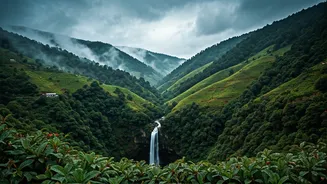
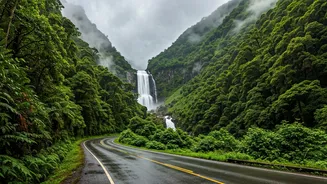
This is when the state lives up to its name, with clouds rolling through valleys and mist clinging to ancient forests. The rain feeds the land, turning waterfalls from trickles into thundering spectacles and carpeting the hills in a vibrant, almost electric green. While the rest of the country seeks shelter, adventurous travellers head to Meghalaya to witness nature at its most dramatic and powerful. The crowd levels are lower, the trails are quieter, and the experience is more profound.
A Symphony of Roaring Waterfalls
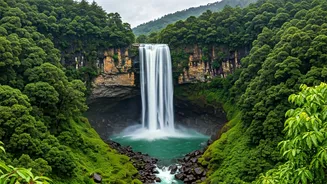
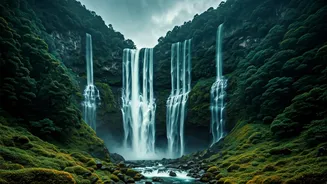
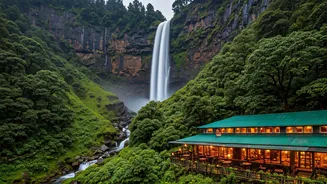
Meghalaya's waterfalls are magnificent year-round, but the monsoon elevates them to a whole new level. Nohkalikai Falls, India's tallest plunge waterfall, transforms into a roaring cascade, dropping an impressive 340 metres into a turquoise pool below. The Seven Sisters Falls, or Nohsngithiang Falls, offers a panoramic spectacle as multiple streams cascade down limestone cliffs, their power and volume at a peak during the rains. Near Shillong, the three-tiered Elephant Falls becomes a photogenic powerhouse, its steps engulfed by the powerful flow of water. These are not just sights to behold from a distance; the sound, the mist, and the sheer force are a full sensory experience.
The Living Root Bridges
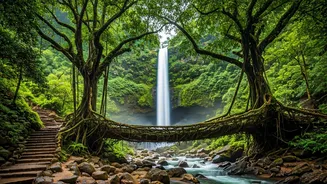
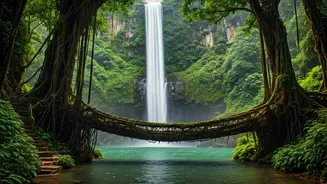
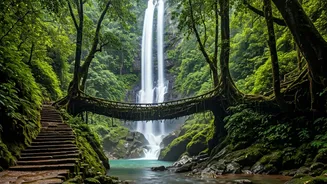
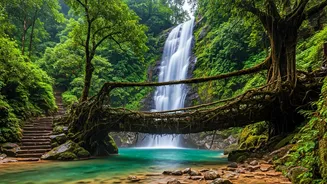
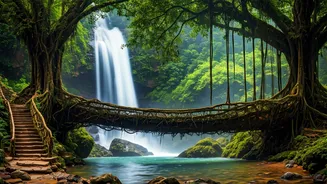
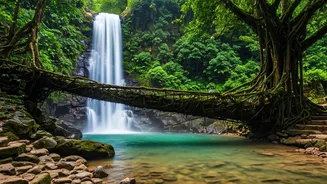
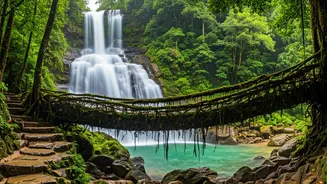
Perhaps Meghalaya's most famous marvel, the living root bridges of Cherrapunji (Sohra) and Nongriat are a testament to the synergy between nature and the Khasi people. These incredible structures, woven from the aerial roots of the Ficus elastica tree, are not built but grown. The monsoon is their element; the constant moisture keeps the roots pliable and strong. Trekking to the famous Double Decker Root Bridge in Nongriat is a journey into a different world. The trail, often slick with rain, winds through dense foliage, with the sounds of the forest amplified by the drizzle. Walking across these green, living structures as a rain-swollen river rushes beneath you is an unforgettable highlight of any monsoon trip.
Journey to the Planet's Wettest Places
No monsoon tour of Meghalaya is complete without a visit to Mawsynram and Cherrapunji, the two places that vie for the title of the wettest place on Earth. Mawsynram currently holds the Guinness World Record for the highest average annual rainfall. Visiting these towns during peak monsoon is to experience rain as a defining force of life. Locals use 'knups' – traditional turtle-shell-like bamboo shields – to get around. The landscape is perpetually misty and green. Exploring the Mawsmai Cave near Cherrapunji becomes even more mystical, its limestone formations glistening with moisture from the relentless rain. It's an immersive experience in a climate that has shaped the land and its culture.
A Practical Guide for Monsoon Visitors
Travelling to Meghalaya during the monsoon requires some preparation. Waterproof everything is the mantra. Pack high-quality raincoats, waterproof bags for electronics, and quick-drying clothes. Footwear is crucial; opt for sturdy, anti-slip trekking shoes with a good grip for the slippery trails. While the main roads are generally good, travel during daylight hours is advisable due to fog and the potential for slick conditions. Hiring a local driver who knows the routes is highly recommended. Embrace the weather's unpredictability. A flexible itinerary will allow you to enjoy a cozy afternoon in a Shillong cafe or take a detour to a lesser-known waterfall when a sudden downpour changes your plans.