





A Ritual Steeped in Tradition
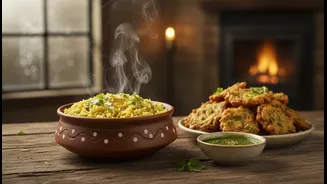
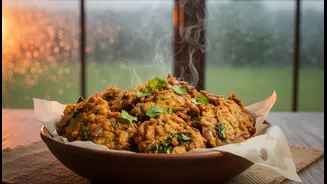
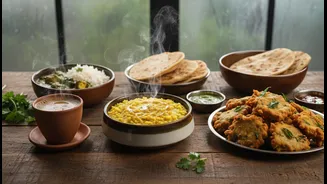
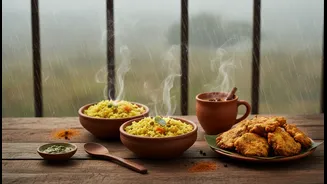
The pairing of chai and pakoras is more than just a snack; it's a sensory experience deeply woven into India's cultural fabric. From bustling city street corners to quiet family balconies, the combination has become the unofficial cuisine of the Indian
monsoon. This ritual, largely popularized in the 20th century, brings people together, fostering conversations and creating a shared sense of comfort against the backdrop of a downpour. The act of sipping hot, spiced tea and biting into a crunchy, savoury fritter provides a comforting contrast to the cool, damp weather, making it a cherished tradition passed down through generations.
The Science of Rainy-Day Cravings
There's a scientific reason why we yearn for these specific foods when the sky turns grey. Gloomy, overcast weather can lead to a dip in serotonin, the body's 'feel-good' hormone, partly due to the lack of sunlight. To counteract this, our brain seeks a quick mood lift. Carbohydrate-rich foods, like sugary tea and fried pakoras, can temporarily boost serotonin levels. Furthermore, the drop in temperature makes our bodies crave calorie-dense foods to generate warmth from within. The spicy elements, like ginger in chai and chillies in pakoras, also contribute to this warming sensation, making the combination feel physically and emotionally satisfying.
Nostalgia: The Secret Ingredient
Beyond the biological triggers, a powerful psychological force is at play: nostalgia. For many, the smell and taste of chai and pakoras are inextricably linked to happy memories of childhood, family gatherings, and feeling cared for. These foods act as a delicious time machine, transporting us back to simpler moments of safety and connection. Research shows that nostalgic feelings can combat loneliness and provide a sense of security, and comfort foods are a primary trigger for these emotions. In this sense, the craving is not just for the food itself, but for the feelings and memories it represents.
Balancing Joy and Nutrition
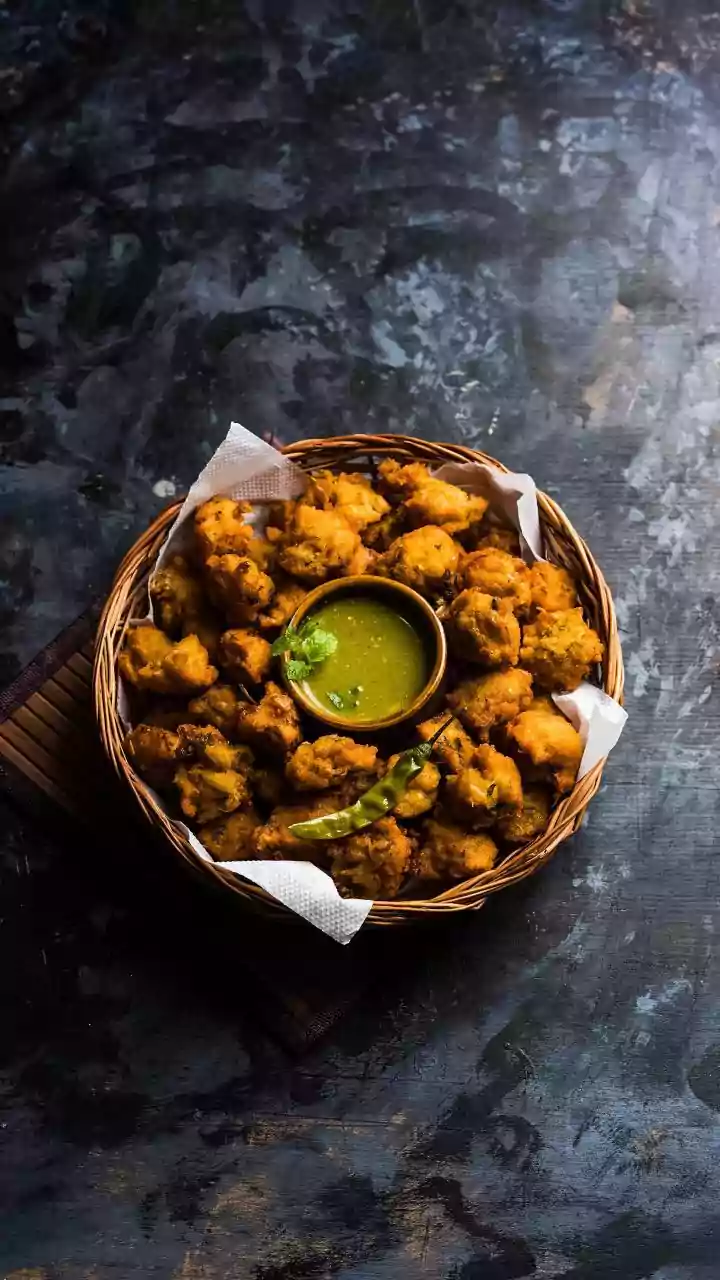
While this monsoon tradition is a source of immense joy, it's helpful to acknowledge the nutritional side. Pakoras are deep-fried, making them high in fat and calories, while masala chai is often prepared with a generous amount of sugar. A single cup of onion pakora can contain around 130 calories, with a significant portion from fat, and a sweetened cup of chai adds to the sugar intake. Health experts note that these cravings are driven more by emotional and environmental cues than by any true nutritional requirement from the body. Understanding this distinction is the first step toward enjoying the treat more mindfully.
How to Indulge Mindfully
Separating nostalgia from nutritional need doesn't mean giving up your favourite rainy-day snack. It's about conscious indulgence. Mindful eating encourages you to slow down and savour each bite, paying full attention to the flavours and textures. Before you reach for a second helping, pause and check in with your body. Are you truly hungry, or are you eating out of habit or boredom? Simple adjustments can also make a difference. Consider baking or air-frying pakoras instead of deep-frying them, using whole-wheat flour, or reducing the sugar in your chai. You can also practice portion control by serving a small amount on a plate rather than eating directly from a larger batch.