



The Salty Truth About Our Health
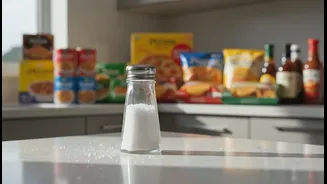
Salt, composed of sodium and chloride, is essential for bodily functions like maintaining fluid balance and nerve function. However, the World Health Organization (WHO) recommends consuming less than 5 grams of salt per day—roughly one teaspoon. Studies
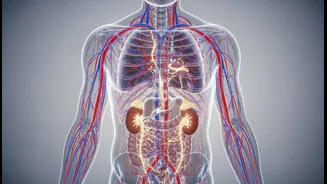
show that the average Indian consumes around 8 to 11 grams daily, significantly increasing health risks. This excess sodium intake is a leading cause of high blood pressure (hypertension), which puts a strain on the heart and blood vessels. Over time, this can lead to severe health consequences, including heart disease, stroke, and kidney problems. The issue is often silent, with damage occurring long before symptoms appear, making awareness and moderation crucial for long-term well-being.
Hidden Salt in Packaged and Processed Foods
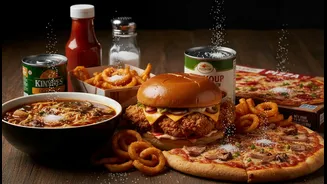
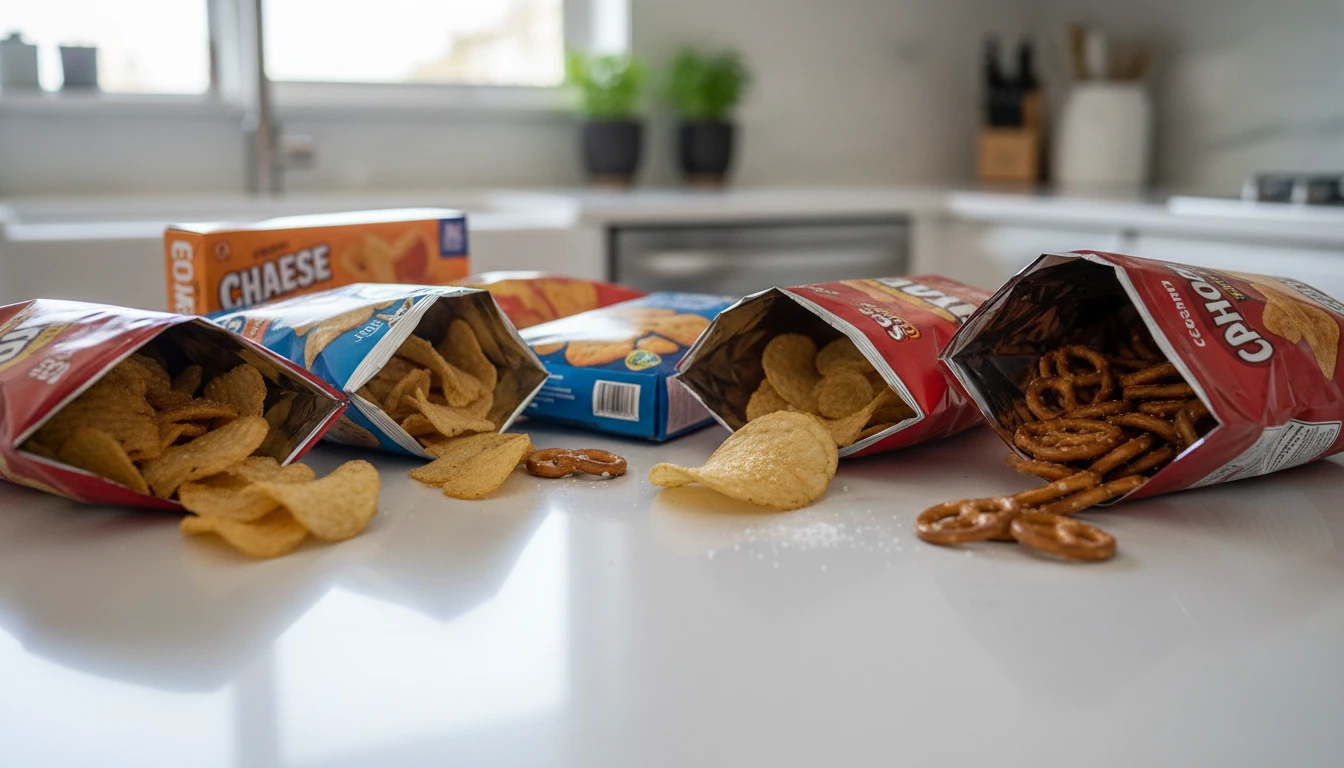
A significant portion of our daily salt intake comes not from the salt shaker, but from processed and packaged foods where it is used for flavour and preservation. Items that don't even taste particularly salty, like bread, biscuits, and breakfast cereals, can be surprisingly high in sodium. Instant noodles and soups are notorious culprits, with a single packet often containing a huge portion of the daily recommended sodium limit. Sauces, ketchups, and salad dressings are other common sources of hidden salt that can quickly add up. Because these foods are convenient and consumed frequently, their sodium content contributes significantly to our overconsumption without us even realising it.
Our Beloved, But Salty, Traditional Foods
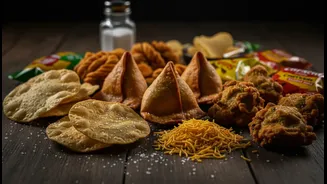
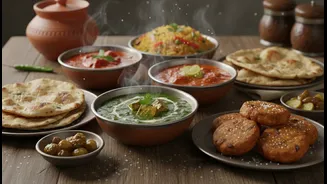
Many staples of the Indian diet are traditionally prepared with high amounts of salt. Pickles (achar) and papads are classic examples; salt is a primary ingredient used for preservation, and even a small serving can contain a significant amount of sodium. A single tablespoon of some pickles can have over 300 mg of sodium. Similarly, popular snacks like namkeen, sev, bhujia, and chivda are loaded with salt. Even spice mixes like chaat masala contain added salt. While these foods are an integral part of our culinary culture, their high sodium content means they should be consumed in moderation, especially for those monitoring their blood pressure.
The Restaurant and Street Food Trap
Eating out can be a major contributor to high salt intake. To make dishes more flavourful, restaurant and street food vendors often use salt generously. From curries and biryanis to popular street foods like pav bhaji and pani puri, the sodium levels can be exceptionally high. A single plate of pav bhaji, for instance, can contain a large fraction of your daily sodium allowance. The combination of salt used during marination, cooking, and final seasoning means that a single meal outside the home can easily push you over your daily limit.
Simple Steps to Reduce Your Salt Intake
Reducing salt doesn't mean eating bland food. The first step is awareness. Start by reading the nutrition labels on packaged foods to check their sodium content. When cooking at home, you have full control. Try to gradually reduce the amount of salt you add to dishes. Enhance flavour with other ingredients like herbs (coriander, mint), spices (cumin, turmeric, pepper), and souring agents like lemon juice, tamarind, or yogurt. Don't add salt to the dough for chapatis or in rice. Limiting high-salt accompaniments like pickles and papads can also make a big difference. When dining out, you can request for your food to be prepared with less salt. Small, consistent changes are the key to retraining your palate and improving your health.