









First, Assess Your Foundation
Before making any moves, start with a frank self-assessment. What are your core skills, passions, and what kind of work gives you energy? Make a list of your marketable talents—things people would pay you for. This isn't just about your current job description
but includes hobbies or skills you've developed over time. Equally important is a clear-eyed look at your finances. A portfolio career often comes with fluctuating income, especially at the start. Understanding your monthly expenses and risk tolerance is a crucial first step. Determine why you want this change. Is it for more freedom, flexibility, or the ability to pursue multiple interests? This motivation will be your anchor during the transition.
Design Your Ideal Portfolio
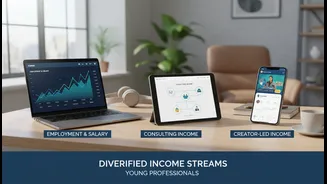
A portfolio career is deliberately designed, not stumbled upon. Think of yourself as an architect building your own professional life. What will the components, or "slices," of your income be? For example, you might combine part-time consulting in your current field, freelance creative work, and teaching an online course. The goal is to create a mix that is not only financially viable but also personally fulfilling. Research people who have careers you admire. Use professional networks like LinkedIn to conduct informational interviews and understand how they structured their work life. This phase is about brainstorming possibilities and creating a blueprint for what your ideal workweek could look like.
Build Your Financial Runway
Financial stability is the bedrock of a successful transition. Before you leave the security of a full-time salary, you need a financial cushion. Experts recommend building an emergency fund that can cover several months of living expenses to navigate the initial income unpredictability. This "runway" gives you the freedom to build your new career without financial stress. Start tracking your income and expenses meticulously. As you begin to take on side projects, create a separate bank account to manage your business-related finances. This not only helps with budgeting but also simplifies tax time. Planning for retirement and other long-term goals is also critical, as you'll be responsible for your own benefits.
Start Small and Scale Smartly
You don’t have to quit your day job tomorrow. The smoothest transition often happens gradually. Start by taking on small freelance projects or a single consulting gig in your spare time. This allows you to test your ideas, build a client base, and generate income before you fully commit. Think of it as creating and validating your offerings. Once you work with real clients, you learn what they need and what they are willing to pay for. This initial phase provides invaluable market feedback. As your side income grows and your client roster becomes more stable, you can gradually reduce your hours at your main job until you’re ready to make the full leap.
Master Your Personal Brand
In a portfolio career, you are the business. Building a strong personal brand is essential for attracting opportunities. Curate your online presence, especially on platforms like LinkedIn, to clearly communicate your skills and the services you offer. A personal website or an online portfolio can serve as a central hub to showcase your work samples and testimonials. Networking becomes less about finding a single job and more about building authentic, long-term relationships. These connections are often the source of future projects and collaborations. Consistently sharing your expertise through blog posts, social media, or speaking engagements can also establish your credibility and draw clients to you.
Navigate the Legal and Tax Landscape
Becoming your own boss means taking on administrative responsibilities. In India, freelance income is typically taxed under "Profits and Gains of Business or Profession." It's crucial to understand your obligations, including paying advance tax quarterly, as you won't have an employer deducting tax at source. For many professionals, India's Presumptive Taxation Scheme under Section 44ADA can be a major advantage. If your gross annual receipts are below ₹50 lakh, you can declare 50% of your income as profit and pay tax on that amount, simplifying bookkeeping. Additionally, depending on your turnover, you may need to register for GST. Keeping clear records of invoices and expenses is non-negotiable.