






A Welcome But Small Relief
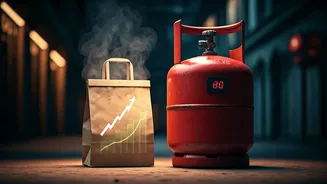
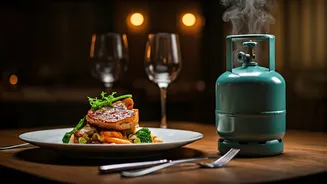
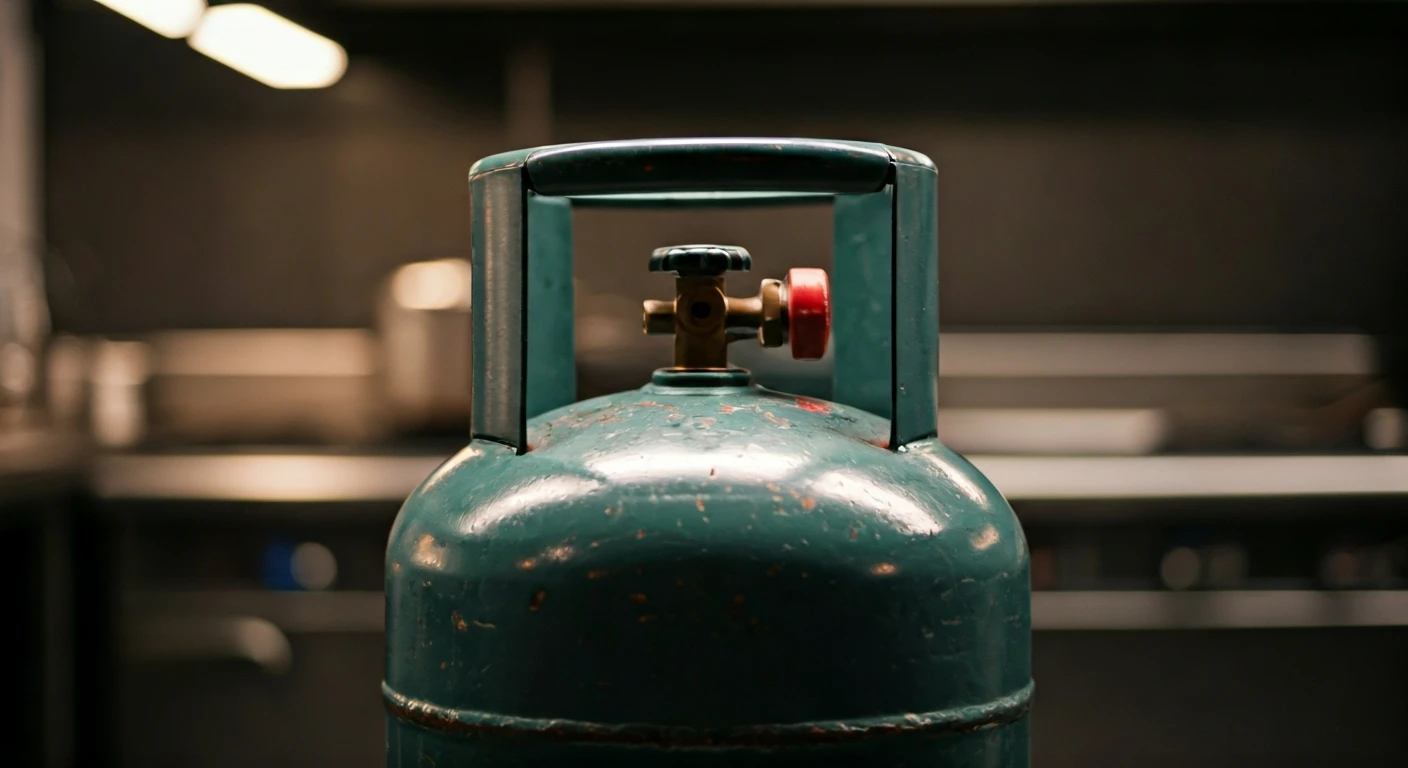
The recent reduction of around Rs 183 for a 19-kg commercial LPG cylinder is a positive step for an industry grappling with high expenses. Restaurateurs have acknowledged this as a much-needed breather that eases some pressure on their operating costs.
However, cooking fuel is just one ingredient in a complex recipe of restaurant expenses. Most restaurants operate on razor-thin net profit margins, often between 5% and 10%. For them, the LPG price cut, while beneficial, is a small drop in a very large bucket of costs, not nearly enough to trigger a widespread reduction in menu prices.
The Three Elephants in the Kitchen
The three largest expenses for any restaurant are almost always food, labour, and rent. Together, these 'prime costs' can account for over 60 cents of every rupee a restaurant earns. Food costs alone, which cover everything from vegetables and grains to meat and spices, typically make up 25-35% of a menu item's price. In recent years, food inflation has been a major challenge, with the prices of staples like tomatoes and onions experiencing significant volatility. Add to this the cost of skilled labour—chefs, managers, and servers—and the staggering price of rent in prime urban locations, and the picture becomes clearer. These core costs have a far greater impact on menu pricing than the cost of cooking gas.
The Hidden Costs of Doing Business
Beyond the obvious expenses, restaurants face a mountain of other costs. These include everything from obtaining and renewing a multitude of licenses—FSSAI, GST, fire safety, and more—to high electricity and water bills. Marketing and technology also represent a significant outlay. For many, this includes commissions paid to food delivery aggregators like Zomato and Swiggy, which can be as high as 18-30%. Then there are expenses for interior design, furniture, regular maintenance, and even dealing with unavoidable food wastage. All these costs are factored into the price of the food that arrives at your table.
Why Prices Are 'Sticky' Downwards
In economics, prices that are quick to rise but slow to fall are called 'sticky'. This is especially true for restaurants. Owners are often hesitant to increase menu prices too frequently for fear of alienating customers. This means they often absorb smaller cost increases for months. When they finally do raise prices, it's to cover not just one cost increase, but an accumulation of them. Consequently, when one small cost component like LPG comes down, they are unlikely to immediately cut prices. Instead, the savings are used to recover previously absorbed losses or to buffer against the next inevitable price rise of another key ingredient. For many, it's about survival in a business known for its tight margins.