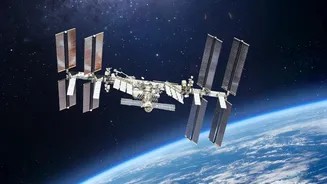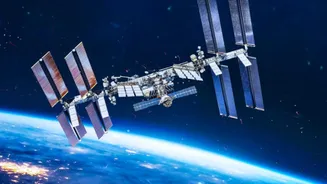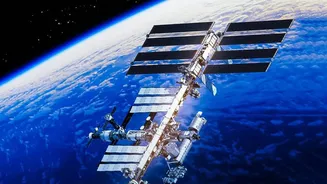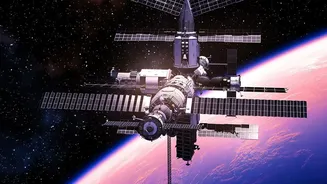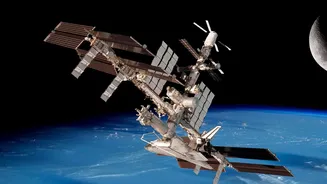



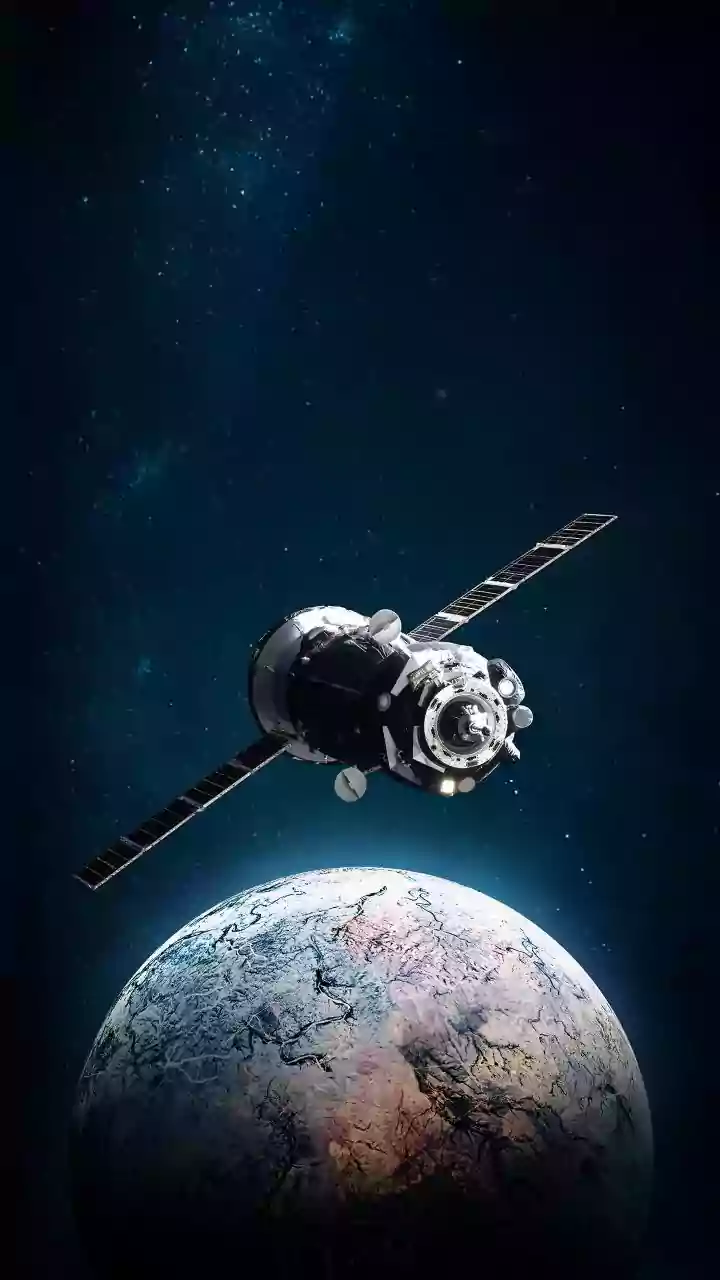

For over two decades, one address has defined humanity’s presence in orbit: the International Space Station. But with the ISS set for retirement around 2030, a monumental shift is underway. A new era is dawning, not of a single successor, but of many.
From Government Outpost to Commercial Marketplace
The end of the International Space Station (ISS) signals more than just the decommissioning of aging hardware; it represents a fundamental change in the philosophy of operating in low-Earth orbit (LEO). For decades, space has been the domain of national governments. NASA and its international partners built and operated the ISS at a cost exceeding $150 billion. Now, instead of building a replacement, NASA is pivoting to become a customer. Through its Commercial LEO Destinations (CLD) program, the agency is fostering a private marketplace for orbital habitats. The plan is to purchase services from these new commercial stations, ensuring an uninterrupted American presence in orbit without bearing the full cost of ownership. This allows NASA to focus its resources on deep space missions to the Moon and Mars while commercial entities build the economic infrastructure of LEO.
The Race to Build the Future
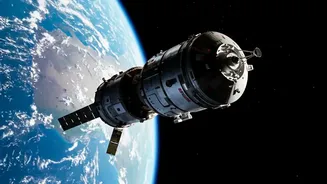
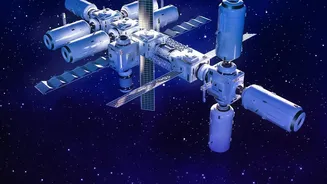
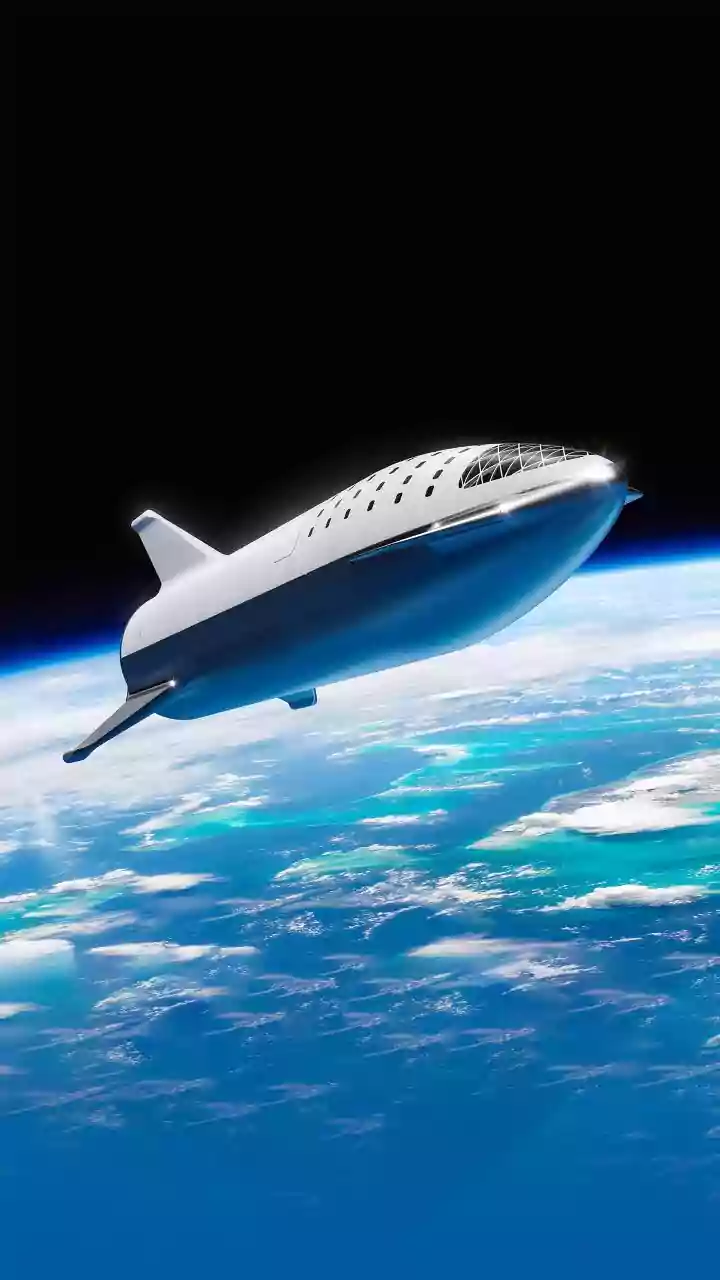
A handful of ambitious companies are leading the charge to build these orbital successors. Axiom Space, which has already flown private astronaut missions to the ISS, plans to first attach its own modules to the station before detaching to become a free-flying outpost. Another key player is Vast, which aims to launch its Haven-1 station as early as 2027, potentially making it the first standalone commercial station. Further on the horizon are Starlab, a joint venture between Voyager Space and Airbus, and Orbital Reef, a concept from Blue Origin and Sierra Space envisioned as a 'mixed-use business park' in space. Each company has a unique design, from traditional modules to single-launch expandable habitats, all competing to be ready before the ISS takes its final plunge into the Pacific Ocean.
Unlocking the LEO Economy
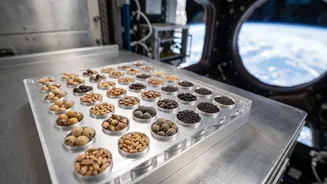
These new stations are not just science labs; they are designed to be versatile business hubs. The goal is to create a thriving LEO economy projected to be worth over a trillion dollars in the coming decades. The potential applications are vast. In-space manufacturing could produce everything from flawless fiber optic cables to 3D-printed human organs, which are impossible to create in Earth's gravity. Pharmaceutical research could accelerate drug development by studying diseases in microgravity. Other potential markets include space tourism, media and entertainment production, and advanced materials research. By providing a platform for these activities, commercial stations will serve as the engine for a new wave of industrial innovation, moving beyond government-funded science to create self-sustaining orbital industries.
Challenges on the Orbital Frontier
The path forward is not without significant hurdles. The primary challenge is financial; developing a space station is an incredibly expensive endeavor, and the business case beyond NASA as an anchor tenant is still developing. While NASA has provided initial funding through its CLD program, private companies are responsible for raising the majority of the capital required. There are also immense technical and logistical challenges, from perfecting life support systems to ensuring reliable transportation for crew and cargo. Timelines are aggressive, with some experts warning of a potential gap between the ISS's retirement and the full operational capability of its commercial replacements. Successfully navigating these challenges will require a combination of engineering prowess, sustained investment, and a clear demonstration that a robust commercial market in LEO can truly exist.