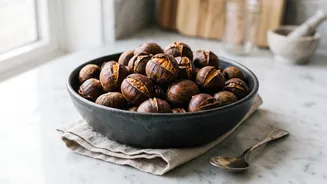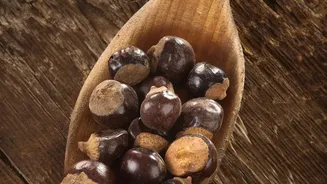

When you think of chestnuts, you probably imagine them roasting over a fire, a classic winter warmer. But this humble nut has a secret culinary superpower: its unique texture makes it a perfect flavour sponge in your favourite brothy dishes.
A Nut That Acts Like a Potato
In the vast
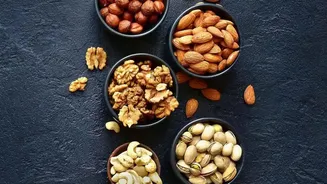
world of nuts, chestnuts are the odd one out. While almonds, walnuts, and cashews are prized for their high-fat content and crunchy texture, chestnuts are decidedly different. Nutritionally, they behave more like a starchy vegetable, such as a potato or a sweet potato. They are significantly lower in fat and much higher in complex carbohydrates, primarily starch. This unusual composition is the key to their culinary versatility. Raw chestnuts are firm and not particularly pleasant to eat, but once cooked—whether roasted or boiled—they undergo a remarkable transformation. The heat works on the starches, breaking them down and creating a soft, tender, and almost floury interior with a subtly sweet, earthy flavour. This texture is what sets them apart and allows them to play a unique role in savoury cooking.
The Science of a Flavour Sponge
The magic lies in what happens to the chestnut's starches during roasting. As the chestnuts heat up, the starch granules absorb moisture and swell, a process known as gelatinisation. This changes the internal structure of the nut, making it tender and creating a porous, almost creamy consistency. Unlike dense, oily nuts that repel liquids, a roasted chestnut becomes a perfect little sponge. When you add roasted chestnuts to a simmering stew, a flavourful curry, or a rich braise, they begin to soak up the surrounding liquid. The broth infuses the nut from the outside in, turning each bite into a burst of concentrated flavour from the dish. This absorbent quality allows them not only to take on flavour but also to contribute to the dish's overall texture, sometimes even breaking down slightly to thicken the sauce naturally.
Unlocking Their Potential in the Kitchen
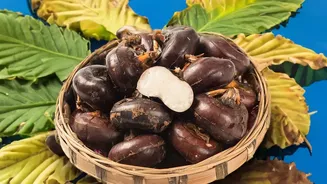
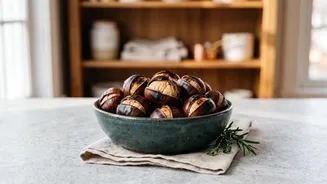
To best utilise this quality, it is important to prepare chestnuts correctly. While you can use pre-cooked and peeled chestnuts, roasting them yourself yields the best flavour. Before roasting, always score an 'X' on the flat side of each nut. This crucial step allows steam to escape during cooking, preventing them from exploding and making them much easier to peel. Roast them in a hot oven (around 200°C or 400°F) for 15-20 minutes, until the shells begin to curl back and the nut inside is tender. It is essential to peel them while they are still warm; as they cool, the inner skin, or pellicle, becomes much more difficult to remove. Once peeled, they are ready to be added to your chosen dish. For stews and braises, add the chestnuts in the last 20-30 minutes of cooking. This is long enough for them to absorb the flavours of the broth without turning completely to mush.
Inspiration for Your Next Meal
The soft, flavour-absorbing nature of chestnuts makes them a wonderful addition to a wide range of dishes, from traditional European recipes to Indian-inspired creations. Think of them as a slightly sweet, nutty alternative to potatoes in your favourite preparations. They are a classic pairing with robust meats like lamb or chicken, complementing the rich flavours beautifully. Imagine a hearty chicken and chestnut stew, where the chestnuts become plump with savoury broth. They also add a wonderful texture and sweetness to vegetable-based dishes. Consider adding them to a mixed vegetable korma or a fragrant mushroom pilaf, where they will soak up the aromatic spices. They can be pureed into creamy, velvety soups, often paired with pumpkin, sweet potato or mushrooms. Whether whole in a braise or pureed in a soup, the chestnut's ability to carry flavour makes it an invaluable, if underrated, pantry staple for the creative cook.