
The Science of Steam
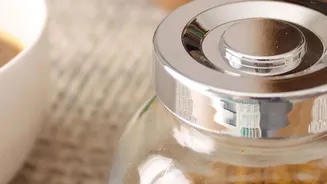
Think of a lid as your control dial for moisture. When you cover a pot, you trap the steam that rises from the cooking liquid. This creates a moist, humid environment inside the pot. This is called moist-heat cooking, and it works wonders in specific
situations. The trapped steam not only helps cook food more quickly and evenly but also keeps it from drying out. Water can't get hotter than its boiling point, but the steam it creates can circulate and transfer heat efficiently. This process is fundamental to techniques like steaming, simmering, and braising, where retaining moisture is the primary goal for achieving a specific texture. Without a lid, that precious steam escapes, turning a moist-heat environment into a dry-heat one.
The Key to Tenderness in Meats
For tougher cuts of meat like chuck roast, brisket, or lamb shanks, a tight-fitting lid is non-negotiable. These cuts are rich in connective tissue, primarily collagen, which can be chewy and tough when cooked quickly. Braising—the technique of searing meat and then simmering it slowly in a covered pot with some liquid—is the perfect solution. The lid traps moisture and heat for hours, allowing the low, slow cooking process to gently break down the tough collagen and convert it into rich, unctuous gelatin. This is what gives braised dishes their signature fall-apart, melt-in-your-mouth texture. Without a tight seal, the liquid would evaporate too quickly, potentially leaving the meat dry and the sauce burnt before the collagen has a chance to transform.
For Fluffy Grains and Perfect Legumes
Have you ever ended up with rice that's either mushy or crunchy and stuck to the bottom of the pot? The culprit might be a loose-fitting lid. Cooking rice, quinoa, and other grains relies on the absorption method, where a precise ratio of grain to water is used. A tight lid ensures that the steam created from the boiling water is trapped inside, cooking the grains evenly from all sides and helping them absorb the water correctly. If steam is allowed to escape, the water-to-grain ratio gets thrown off. The top layer may end up undercooked while the bottom layer, in direct contact with the heat source, can scorch as the water boils away too fast. Keeping the lid on tight creates a stable, steamy system for perfectly fluffy and distinct grains every time.
Vegetables: A Delicate Balance
When it comes to vegetables, the lid can be both a friend and a foe. For achieving a crisp-tender texture, a lid is an excellent tool. Briefly covering a pan of sautéing carrots or broccoli with a splash of water traps steam, cooking them through quickly without becoming mushy or losing their vibrant color. This technique is essentially a quick steam. However, leaving the lid on for too long is a recipe for disaster, turning bright, snappy vegetables into a drab, waterlogged mess. Some schools of thought once warned that covering green vegetables would trap acids and turn them brown, but modern tests have largely shown that timing, not the lid itself, is the more critical factor for color retention.
When to Go Lidless
Knowing when not to use a lid is just as important. If your goal is a deep brown crust on a steak, crispy-skinned chicken, or caramelized mushrooms, moisture is your enemy. These results are achieved through the Maillard reaction, a series of chemical reactions that create complex flavor and browning on the surface of food. This reaction requires high, dry heat, well above the boiling point of water. A lid traps steam, which will lower the surface temperature and essentially boil or steam your food, preventing any browning. Similarly, if you want to reduce a sauce or soup to thicken it and concentrate its flavors, you need to leave the lid off to allow for evaporation. Keeping these dishes uncovered lets the excess water escape as steam, achieving the rich consistency you're looking for.