



Understanding the Late-Monsoon River
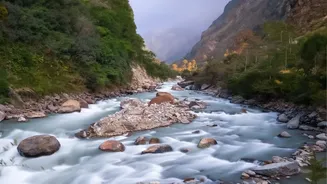
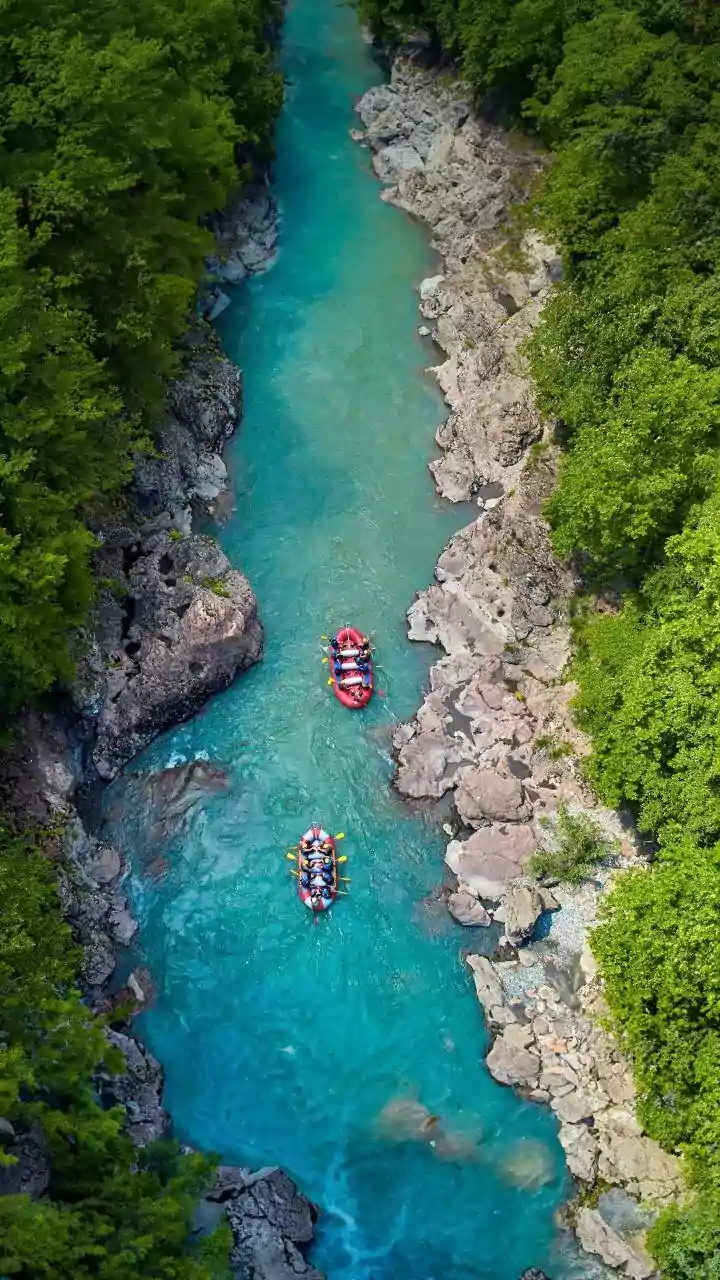
Late September is a transitional period for the Ganges in Rishikesh. The monsoon, which halts all rafting from July to mid-September for safety reasons, leaves behind a river that is often powerful and unpredictable. Water levels are higher and currents
are faster than in the peak season of October and November. While this creates exhilarating rapids, it also reduces the margin for error. The water can be murky with sediment, making submerged obstacles less visible. This period is often better suited for experienced rafters, so as a first-timer, it is crucial to select shorter, beginner-friendly stretches and a highly reputable operator.
Choosing a Certified Operator
Your safety is directly linked to the quality of your rafting operator. Do not choose based on the cheapest price. A professional, certified company is non-negotiable. Look for operators registered with the Uttarakhand Tourism Department. Reputable companies employ guides trained and certified in first-aid, CPR, and swift water rescue. They provide high-quality, well-maintained equipment, including top-grade rafts, and properly fitting life jackets and helmets. Check online reviews and ask to see licenses before booking to ensure they have a proven track record of safety and professionalism.
The Mandatory Safety Briefing
A thorough safety briefing before you get on the water is a sign of a professional crew. Your guide should explain everything clearly, from how to sit in the raft and hold your paddle to the specific commands they will use to navigate rapids. This briefing must also cover critical emergency procedures, such as what to do if the raft capsizes or if you fall into the water. Key advice includes not panicking, floating on your back with your feet pointed downstream, and listening for your guide's instructions for rescue. If your operator rushes or skips this briefing, consider it a major red flag.
Essential Gear and What to Wear
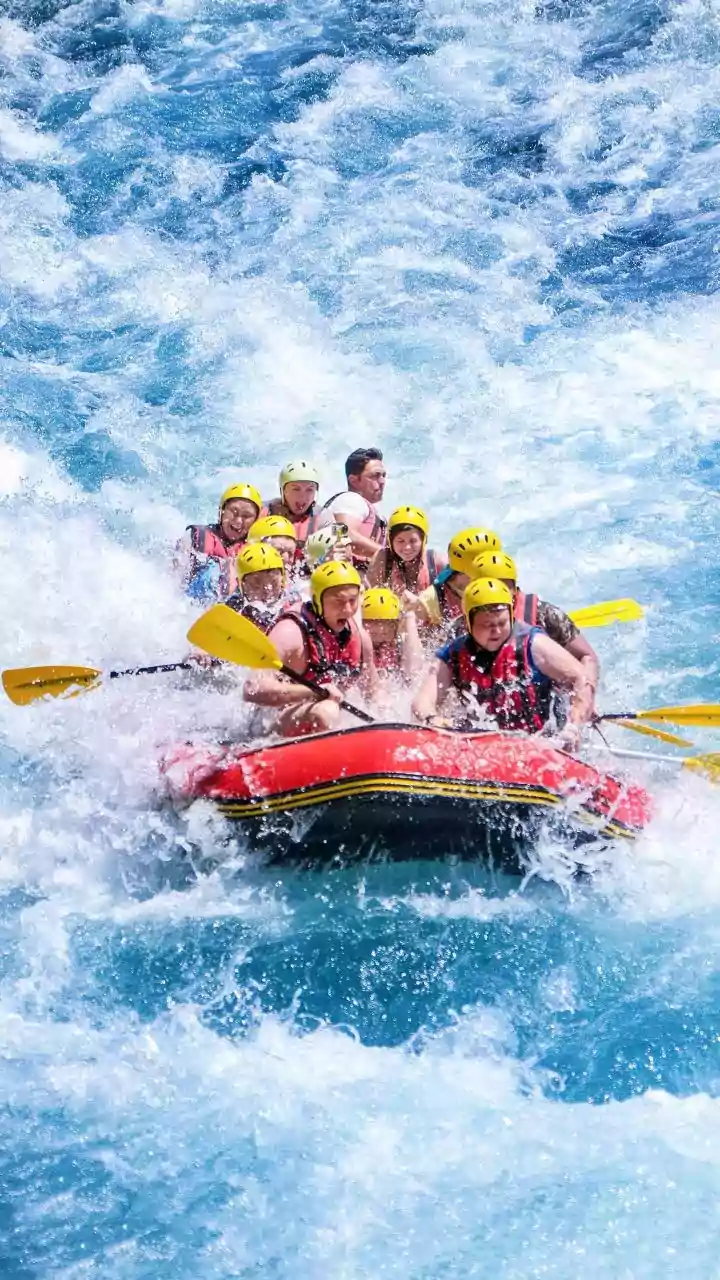
Wearing the right gear is a fundamental safety standard. Your operator must provide a life jacket and a helmet, and you must wear them at all times on the river. Ensure your life jacket fits snugly and is properly buckled. For clothing, avoid cotton, which gets heavy and cold when wet. Instead, opt for quick-drying synthetic fabrics like polyester or nylon. Secure footwear is also essential; wear river sandals with straps or old sneakers, not loose flip-flops. Valuables like phones and wallets should be left behind.
On-the-Water Rules to Live By
Once you are on the raft, your guide is the captain, and their instructions are law. Listen carefully and follow commands immediately, as coordinated paddling is crucial for navigating rapids safely. Keep a firm grip on your paddle and maintain your position in the raft unless instructed otherwise. Never consume alcohol or other intoxicants before or during a rafting trip, as it impairs your judgment and reaction time. While the experience is fun, it's important to remain aware and focused, especially when approaching turbulent sections of the river.
Know the Rapids and Your Limits
Rishikesh offers various rafting stretches with different difficulty levels, from Grade I (easy) to Grade IV (challenging). For a first-timer in the powerful post-monsoon season, it is wise to start with a shorter, beginner-friendly stretch like the 9 km route from Brahmapuri to Rishikesh, which features Grade I and II rapids. The popular 16 km Shivpuri to Rishikesh route includes more intense Grade III and IV rapids like Roller Coaster and Golf Course. Be honest about your fitness level and comfort in the water; there is no shame in choosing an easier route to ensure a safe and enjoyable first adventure.